Origins of Wool Tweed Fabrics
Wool tweed traces its roots to the British Isles, particularly Scotland and Ireland, where it emerged as a practical fabric for the cold, damp climates. Initially crafted by local artisans, tweed became synonymous with the rugged landscapes and rural communities that relied on it for warmth and protection.
The term “tweed” is believed to have originated from a misinterpretation of “tweel,” the Scots word for twill, the weaving technique that defines the fabric. By the 19th century, tweed gained popularity among the British aristocracy, becoming a symbol of countryside fashion and leisurewear. Its enduring connection to heritage and craftsmanship remains a cornerstone of its identity today.
What is Wool Tweed?
Wool tweed is a coarse, rugged fabric made from pure wool, characterized by its textured surface and intricate patterns. Typically woven in a twill or plain weave, it features diagonal lines or a tightly woven structure that enhances its durability and warmth.
Tweed is distinct for its natural earth-tone color palette, often achieved by blending undyed wool or using natural dyes. It is prized for its versatility, offering both functionality and style, making it suitable for outdoor wear, formal garments, and interior furnishings. This blend of practicality and elegance defines tweed as a fabric of enduring appeal.
Characteristics of Wool Tweed Fabrics
Wool tweed fabrics are celebrated for their unique combination of practicality and aesthetic appeal. Key characteristics include:
- Warmth and Insulation: Made from wool, tweed naturally retains heat, making it an excellent choice for cold weather.
- Durability: The tightly woven structure ensures resilience against wear and tear, ideal for long-term use.
- Texture: The fabric’s coarse yet refined texture adds to its rugged charm.
- Distinct Patterns: Iconic designs like herringbone, houndstooth, and windowpane are hallmarks of tweed.
- Moisture Resistance: Wool’s natural lanolin provides water resistance, enhancing its practicality in wet climates.
These features make wool tweed fabrics a versatile option, bridging the gap between style and function.
Types of Tweed Fabrics
There are several distinct types of wool tweed, each with its own history, design, and use. Some of the most notable types include:
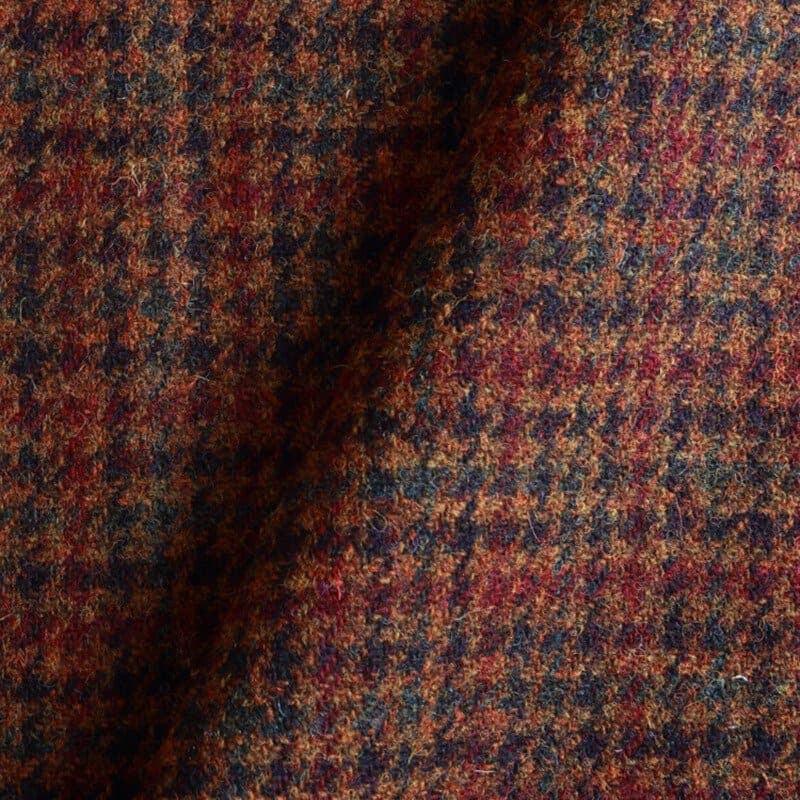
Harris Tweed: Originating from the Outer Hebrides of Scotland, Harris Tweed is a handwoven fabric known for its rich colors and intricate patterns. It holds the prestigious Harris Tweed Authority mark, ensuring its authenticity.
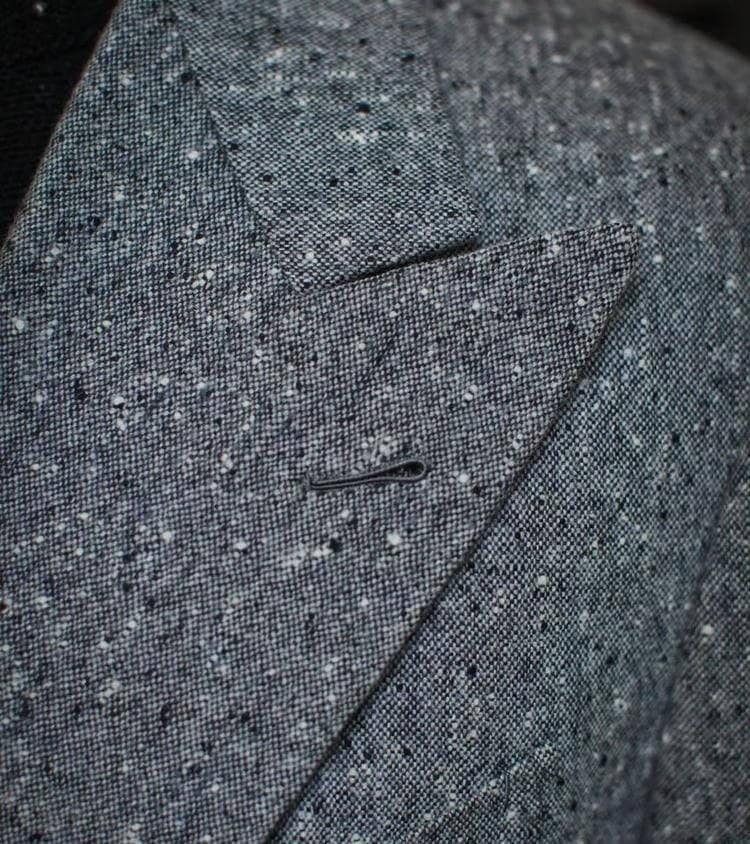
Donegal Tweed: Known for its colorful specks woven into a neutral background, Donegal tweed hails from the Irish county of Donegal. Its distinct, flecked design has made it a favorite for both traditional and modern garments.
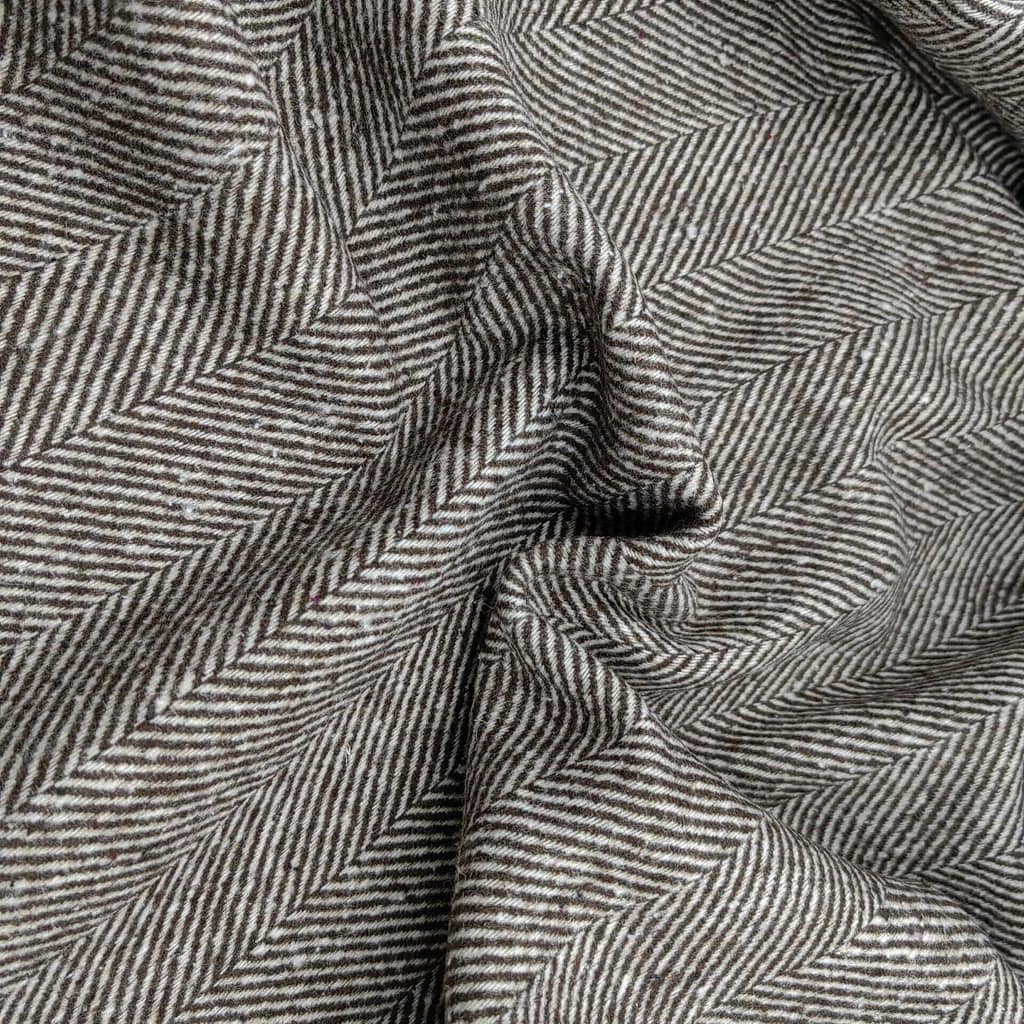
Herringbone Tweed: Characterized by a distinctive V-shaped pattern, herringbone tweed is widely used in suits, jackets, and outerwear due to its classic and refined look.
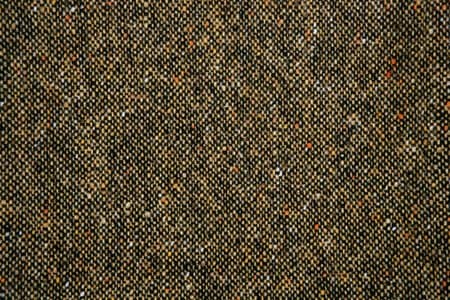
Cheviot Tweed: A type of tweed that is softer than traditional tweeds, Cheviot tweed is typically woven from the wool of Cheviot sheep, known for its fine texture and warmth.
These various types showcase the versatility of wool tweed, offering a range of designs and textures for different applications in fashion and interior design.
Production Process of Wool Tweed
The creation of wool tweed involves several stages, blending traditional craftsmanship with modern techniques. Here’s an overview of the process:
| Stage | Description |
|---|---|
| Wool Sourcing | Selection of high-quality wool from specific breeds of sheep. |
| Spinning | Wool is cleaned, carded, and spun into yarn of varying thicknesses. |
| Dyeing | The spun yarn is dyed, often in natural, earth-toned colors, with some types incorporating flecks of contrasting colors. |
| Weaving | The dyed yarns are woven into fabric using twill or plain weave techniques, creating the distinct textures and patterns. |
| Finishing | The fabric is washed, treated, and sometimes fulled to enhance softness, durability, and moisture resistance. |
Note: Each step in the production process contributes to the unique characteristics of wool tweed, ensuring its high quality and timeless appeal.
Uses of Wool Tweed Fabrics
Wool tweed’s versatility makes it ideal for a wide range of applications, both in fashion and interior design. Its durability and stylish appeal ensure it remains a staple in various industries. Here are some key uses of wool tweed:
Fashion:
- Outerwear: Tweed is most famously used for coats, jackets, and blazers due to its warmth, texture, and refined look. The fabric’s durability also makes it perfect for outdoor clothing, such as hunting jackets and capes.
- Tailored Garments: Classic suits, skirts, trousers, and waistcoats often feature wool tweed for its sophisticated aesthetic and longevity.
- Accessories: Tweed is also popular for scarves, hats, and gloves, offering both fashion and function.
Interior Design:
- Upholstery: Tweed’s strong fibers make it an excellent choice for furniture upholstery, including chairs, sofas, and cushions, bringing a touch of classic style to any home.
- Curtains and Cushions: Its durability and distinctive patterns also lend themselves to creating stylish curtains and decorative cushions that add texture and warmth to interiors.
Other Applications:
- Tweed can also be used in various other creative fields such as bags, footwear, and home accessories, blending tradition with contemporary design.
Care of Wool Tweed
To keep wool tweed fabrics in good condition, follow these care guidelines:
- Cleaning: Dry clean most wool tweed items. For washable garments, hand wash with cold water and mild wool detergent.
- Storage: Hang garments on padded hangers and store in a dry place to avoid moth damage.
- Maintenance: Brush to remove dust and lint, and use steam ironing to remove wrinkles without direct iron contact.
Proper care ensures wool tweed remains durable and retains its timeless appeal.
Conclusion
Wool tweed fabrics stand as a testament to the beauty of traditional craftsmanship and the enduring power of heritage. With their warmth, durability, and versatile applications, tweed fabrics have secured a place in both everyday wear and high fashion. From its origins in the Scottish Highlands to its current status as a global textile staple, wool tweed continues to blend style with function.
By appreciating the rich history and proper care of wool tweed, we can ensure its legacy lives on, adapting to modern needs while honoring its timeless elegance.