
Origins of Viscose Fabrics
Viscose fabric, often regarded as the first synthetic fiber, has a fascinating history that traces back to the late 19th century. The invention of viscose began in the 1850s when scientists sought a way to replicate the qualities of natural silk while making the process more affordable. The journey to modern viscose fabric started with the discovery of how to dissolve cellulose (the primary component of plant cell walls) into a liquid form. This process led to the creation of viscose rayon, named after the viscous solution that forms during production.
In 1892, the British chemist Charles Frederick Cross, along with his colleagues Edward John Bevan and Clayton Beadle, patented the method of producing rayon from wood pulp. This marked a significant breakthrough in the textile industry, as it allowed for the mass production of a fabric that resembled silk, yet was much more affordable to manufacture.
The early production of viscose was highly labor-intensive and involved the use of chemicals such as carbon disulfide to dissolve the cellulose. However, over time, advancements in technology and improvements in the production process have made viscose a widely accessible fabric, known for its comfort and adaptability.
What is Viscose Fabric?
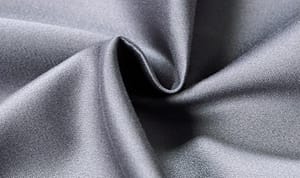
Viscose fabric is a semi-synthetic fiber made from natural cellulose, typically sourced from wood pulp or cotton linters. Though it originates from a natural material, the production process involves chemically altering the cellulose to create a fiber that mimics the texture and appearance of silk. This gives viscose fabrics their characteristic smoothness, softness, and fluid drape.
The process of creating viscose begins with the extraction of cellulose from plant materials, which is then chemically treated to form a thick, viscous solution. This solution is forced through small holes in a spinneret to create fibers, which are then spun into yarn and woven or knitted into fabric. As a result, viscose has many properties similar to natural fibers but with the added benefits of affordability and versatility.
Viscose is often confused with other fibers like polyester or acetate, but its natural origin and unique production process distinguish it. Unlike fully synthetic fibers, which are made from petrochemicals, viscose is derived from renewable resources, making it a more eco-friendly option than many other fabrics in the synthetic category. However, it’s worth noting that the production process of viscose can have environmental implications if not done sustainably.
Characteristics of Viscose Fabrics
Viscose fabrics are popular for their soft, smooth texture and comfortable feel. Here are the main qualities that make viscose fabrics stand out:
- Soft and Smooth: Viscose is known for its silk-like softness. It feels gentle on the skin, making it ideal for clothing like blouses, dresses, and scarves.
- Breathable: The fabric allows air to pass through, helping to keep the wearer cool in warm weather. It’s also moisture-wicking, which means it absorbs sweat, keeping you dry and comfortable.
- Lightweight and Flowing: Viscose is a light fabric with a beautiful drape. It flows naturally, which makes it great for garments that require movement and a relaxed fit.
- Shiny Appearance: Depending on the finish, viscose can have a subtle sheen, adding a touch of elegance to the fabric. This makes it a popular choice for both casual and formal wear.
- Color Retention: Viscose absorbs dye well, allowing for rich, vibrant colors that last.
While viscose is soft and breathable, it can wrinkle easily and may shrink when washed improperly. Proper care is essential to maintain its appearance.
Types of Viscose Fabrics
Viscose fabric comes in several variations, each offering unique qualities and applications. The three most common types are standard viscose rayon, modal, and lyocell. Here’s a breakdown of each:
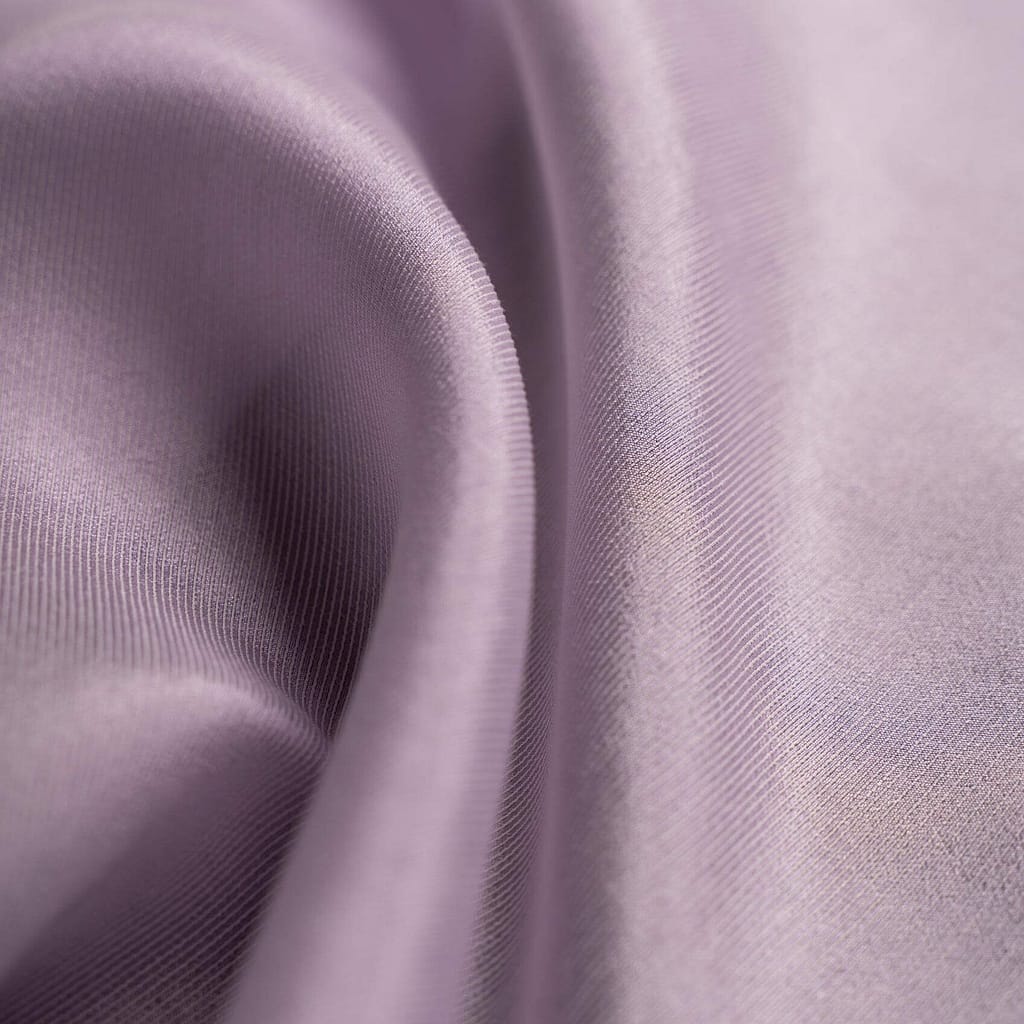
Viscose Rayon: This is the original form of viscose, created by dissolving wood pulp to produce a soft, lightweight fiber. It has a smooth texture and is often used in fashion for dresses, blouses, and linings. Viscose rayon can have a shiny appearance and drapes beautifully, making it a favorite in elegant clothing.
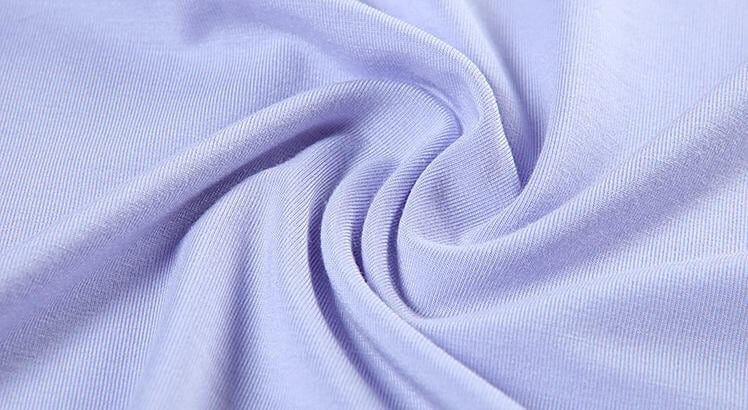
Modal: A type of viscose, modal is made from beech tree pulp. It is known for being slightly more durable and resistant to shrinkage than regular viscose. Modal fabrics feel silky and are often used for comfortable, casual clothing like loungewear, pajamas, and activewear. It also holds dye well, producing deep, vibrant colors.
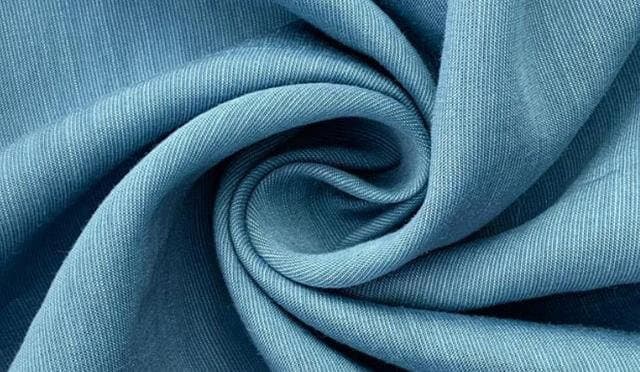
Lyocell: Often marketed under the brand name Tencel, lyocell is another form of viscose made from wood pulp, but it is produced using a more eco-friendly process that uses less water and chemicals. Lyocell is soft, breathable, and biodegradable, making it an excellent choice for environmentally conscious consumers. It’s also more durable than regular viscose and has a smooth, almost suede-like texture.
Each type of viscose fabric offers a different balance of comfort, durability, and environmental impact, making them suitable for various uses, from everyday wear to high-end fashion.
Production Process of Viscose Fabrics
The production of viscose fabric involves several stages, each contributing to the transformation of raw materials into a wearable textile. Below is an overview of the key steps:
| Step | Description |
|---|---|
| Cellulose Extraction | The process begins by extracting cellulose from plant materials, usually wood pulp. The pulp is treated with chemicals to break down the wood fibers. |
| Dissolving the Cellulose | The cellulose is dissolved in a chemical solution to create a thick, viscous liquid, known as “viscose,” which can be processed further. |
| Spinning the Fibers | The viscous solution is forced through small holes in a spinneret, forming long, continuous threads, which are then solidified in a chemical bath. |
| Washing and Drying | The newly formed fibers are washed and dried to remove any residual chemicals, preparing them for further processing into yarn. |
| Weaving or Knitting | The dried fibers are spun into yarn and either woven or knitted into fabric. The fabric is then ready for dyeing and finishing for use in various products. |
While the process of creating viscose involves chemical treatments, advancements in production methods aim to reduce its environmental impact, especially in the case of lyocell production, which uses a more sustainable process.
Advantages of Viscose Fabrics
Viscose fabrics offer several benefits, making them a popular choice in textiles:
- Comfortable and Breathable: Soft and smooth to the touch, viscose is breathable and ideal for warm weather or activewear.
- Luxurious Appearance: With its silky texture and subtle sheen, viscose mimics expensive fabrics like silk at a fraction of the cost.
- Versatile: Viscose is used in a wide range of garments, from casual wear to formal dresses, thanks to its lightweight and draping qualities.
- Good Dyeability: Viscose absorbs dye well, producing vibrant, long-lasting colors.
- Eco-Friendly Options: Sustainable forms of viscose, like lyocell, offer a more environmentally friendly production process.
Disadvantages of Viscose Fabrics
While viscose fabrics have many advantages, they also come with some drawbacks:
- Wrinkling: Viscose tends to wrinkle easily, which can affect its appearance and require frequent ironing.
- Durability Concerns: Viscose can be less durable than natural fibers, as it is prone to weakening when wet. This makes it more delicate and susceptible to damage.
- Shrinkage: Improper washing can lead to shrinkage, so viscose garments often require careful care and attention to washing instructions.
- Environmental Impact (if not produced sustainably): The traditional production process of viscose uses chemicals that can harm the environment if not managed properly. However, eco-friendly alternatives like lyocell are addressing these concerns.
Uses of Viscose Fabrics
Viscose fabrics are incredibly versatile and are used in a wide variety of applications. Some of the most common uses include:
- Apparel: Viscose is popular in fashion for creating elegant, lightweight clothing. It’s often used in dresses, blouses, skirts, and scarves due to its smooth texture, drape, and ability to absorb dye well.
- Home Textiles: Viscose is also used in home furnishings, such as curtains, bedding, and upholstery. Its soft feel and luxurious appearance make it a great choice for decorative textiles.
- Activewear and Loungewear: Modal, a type of viscose, is commonly used for comfortable, breathable activewear, loungewear, and pajamas due to its softness and durability.
- Blended Fabrics: Viscose is often blended with other fibers like cotton, polyester, or spandex to combine the benefits of different materials, such as enhancing durability or stretch.
Viscose’s versatility in both fashion and home textiles makes it a widely used fabric in the textile industry.
Care of Viscose Fabrics
To keep viscose fabrics looking their best, proper care is essential. Here are some key tips for maintaining viscose garments:
- Washing: Always check the care label before washing. In general, viscose should be hand washed or machine washed on a gentle cycle with cold water to avoid shrinking or damaging the fibers.
- Drying: Avoid wringing out viscose fabric, as it can distort its shape. Lay garments flat to dry or hang them up, but avoid direct sunlight, which may cause fading.
- Ironing: Viscose fabrics tend to wrinkle easily, so ironing may be necessary. Use a low-temperature setting on your iron and, if possible, iron the garment while it’s still slightly damp. Always check the care instructions to ensure you’re ironing safely.
- Storage: Store viscose garments in a cool, dry place to avoid any potential damage from humidity or sunlight. Hanging items such as dresses or blouses can help maintain their shape.
With the right care, viscose fabrics can remain soft, vibrant, and comfortable for years.
Future Trends in Viscose Fabrics
The future of viscose fabrics is focused on sustainability and innovation. Key trends include:
- Eco-Friendly Production: Sustainable methods like the lyocell process, which recycles water and chemicals, are becoming more common.
- Recycling and Circular Fashion: Efforts to recycle viscose fibers into new fabrics are gaining traction, contributing to a more circular economy.
- Blended Fabrics: Combining viscose with stronger fibers to improve durability and reduce environmental impact.
These trends point toward a more sustainable and durable future for viscose fabrics.
Conclusion
Viscose fabrics offer a unique blend of softness, breathability, and affordability, making them a popular choice in fashion and home textiles. While they have their drawbacks, such as susceptibility to wrinkling and shrinkage, their advantages—like their luxurious feel, vibrant colors, and versatility—make them a go-to fabric for many uses.
As the textile industry continues to evolve, innovations in sustainable production methods and recycling are helping to make viscose a more eco-friendly option. With its rich history and promising future, viscose remains an important fabric in both everyday wear and high-fashion designs.