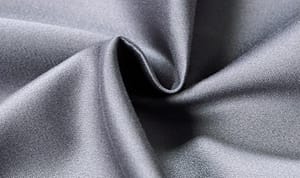
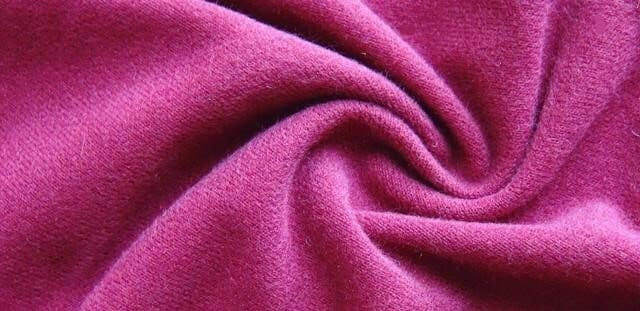
Origin of Velvet Fabrics
Velvet fabrics traces its roots back to the Middle Ages, with evidence of its production in ancient China and the Middle East. The fabric was initially crafted from silk, reflecting the wealth and status of its wearers. By the 14th century, Venice emerged as a pivotal center for velvet production in Europe, renowned for its exquisite designs and high-quality textiles.
As trade routes expanded, velvet became increasingly accessible, transitioning from royal garments to broader markets. By the Renaissance, it adorned the garments of nobility and was a staple in the courts of Europe, symbolizing opulence and refinement. The fabric’s allure continued through the centuries, evolving in style and use, but maintaining its association with luxury.
What is Velvet Fabrics?
Velvet fabrics is a distinctive fabric known for its soft, plush texture and unique visual appeal. It is created by weaving two layers of fabric together, then cutting the top layer to form a pile. This process results in a fabric with a rich depth and a velvety touch that differentiates it from other textiles.
The key characteristic of velvet is its pile, which can vary in height and density, contributing to its overall softness and luxurious feel. While often associated with silk, velvet can be made from various fibers, including cotton, polyester, and blends. Each type of fiber brings its own qualities, affecting the fabric’s appearance, texture, and durability.
In addition to its tactile qualities, velvet is known for its stunning sheen, which can change with the angle of light, adding to its visual interest. This combination of softness and luster makes velvet a favored choice for high-end fashion, upholstery, and decorative applications.
Characteristics of Velvet Fabrics
Velvet is renowned for several key characteristics that contribute to its status as a luxurious fabric:
- Texture: One of the most defining features of velvet is its incredibly soft and plush texture. The raised fibers create a tactile experience that is both inviting and comforting.
- Appearance: Velvet possesses a distinctive sheen that gives it a rich and sophisticated look. The luster can vary based on the type of fiber used and the weave technique, often resulting in a fabric that appears different depending on the angle of light.
- Durability: While velvet may seem delicate, high-quality velvet can be quite durable. The type of fiber and the way it’s woven play significant roles in its longevity. Proper care helps maintain its appearance over time.
- Care Requirements: Velvet fabrics often require special attention to preserve their beauty. Many types of velvet are best maintained through dry cleaning or gentle hand washing. Avoiding excessive heat and harsh chemicals is crucial to prevent damage to the pile.
- Versatility: Velvet’s unique combination of softness and elegance allows it to be used in a variety of applications, from fashion to home décor. Its ability to complement different styles—from classic to contemporary—further enhances its appeal.
These characteristics make velvet a standout choice for anyone looking to add a touch of luxury to their wardrobe or home.
Types of Velvet Fabrics
Velvet comes in various types, each with unique qualities:
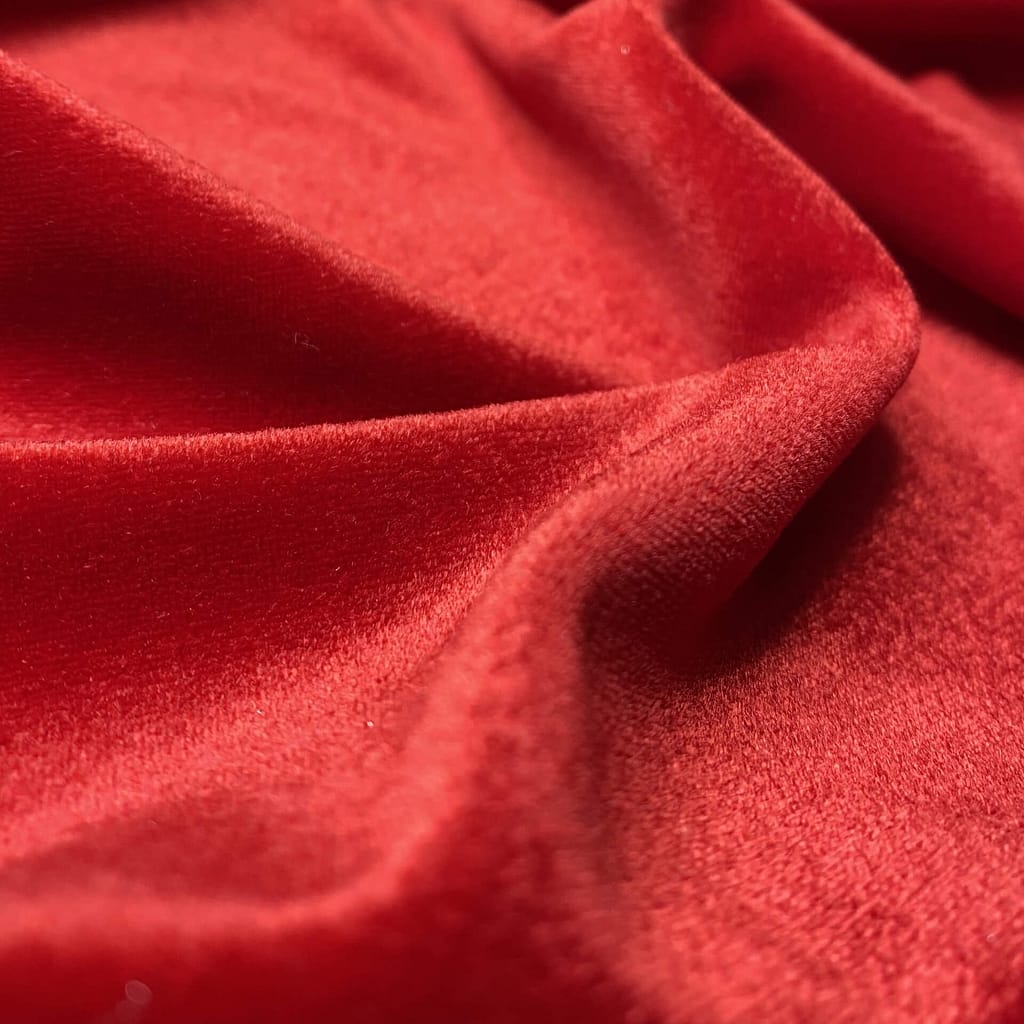
Silk Velvet: Luxurious and soft, known for its beautiful sheen; often used in high-end fashion.
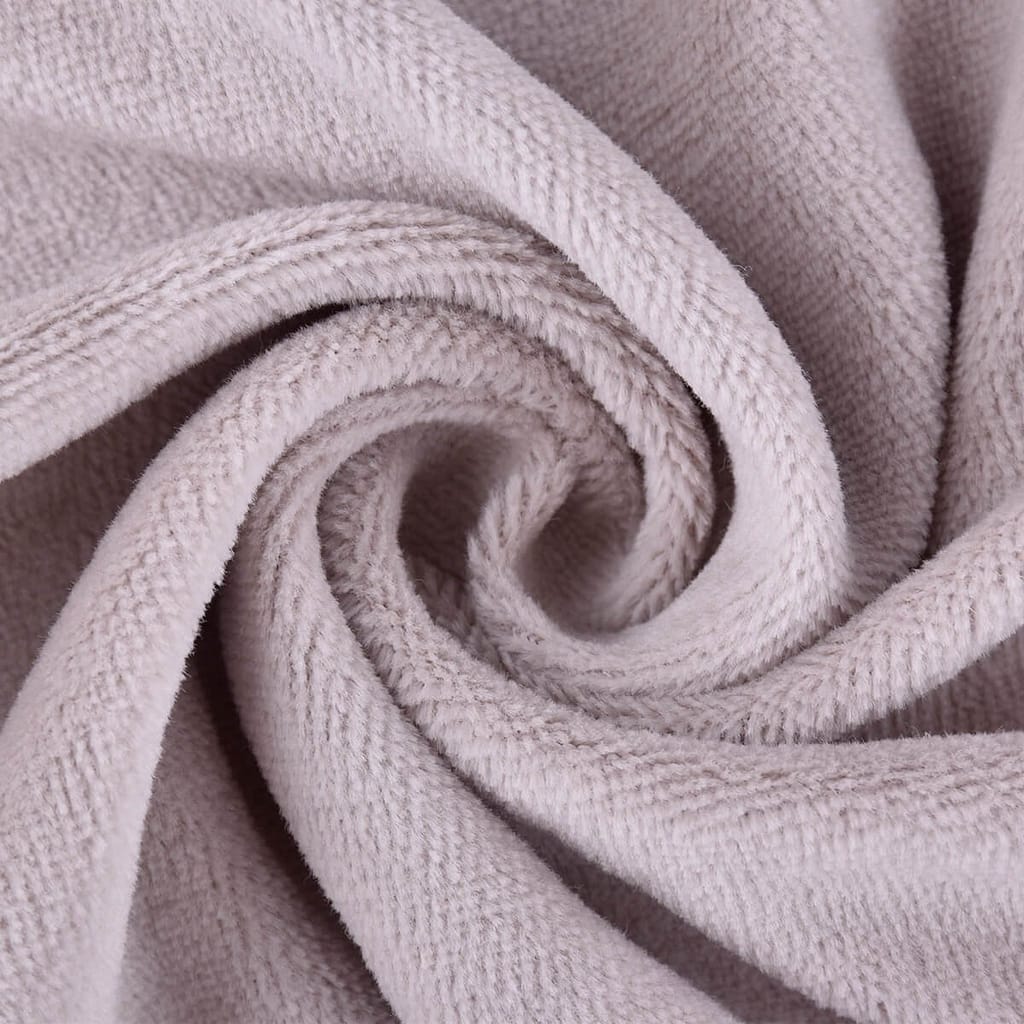
Cotton Velvet: More affordable and durable, suitable for everyday wear and home décor.
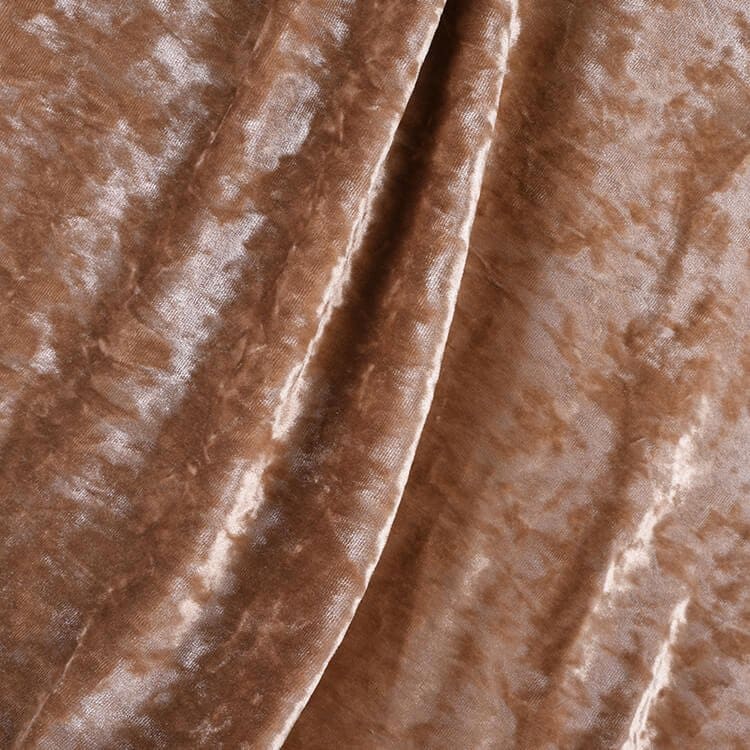
Crushed Velvet: Features a textured surface created by twisting the fabric, popular in bold fashion statements.
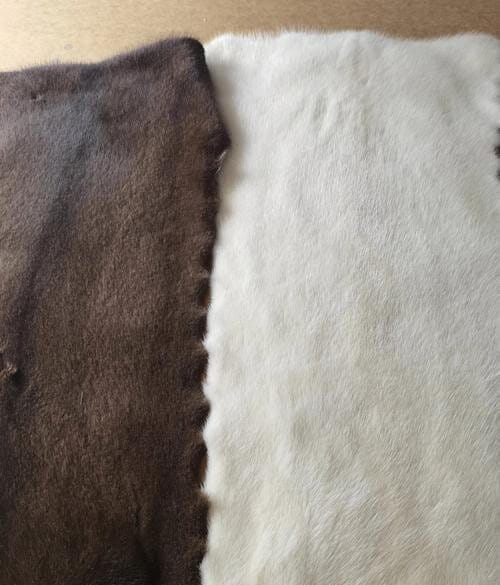
Velveteen: A cotton fabric with a shorter pile, resembling velvet but less plush; often used for casual garments.
These types allow for versatility in style and application, making velvet a go-to choice for different projects.
Production Process of Velvet Fabrics
The production of velvet involves a unique weaving technique called double-cloth weaving. Here’s a brief overview of the process:
- Weaving: Two layers of fabric are woven together simultaneously on a special loom, creating a pocket of air between them.
- Cutting: Once woven, the top layer is cut to create the characteristic pile, resulting in the soft texture of velvet.
- Dyeing and Finishing: After cutting, the fabric is dyed and finished to enhance its color and texture, making it ready for various applications.
This intricate process is what gives velvet its luxurious feel and distinctive appearance.
Uses of Velvet Fabrics
Velvet is a versatile fabric used in various applications, including:
- Fashion: Commonly seen in evening gowns, jackets, and accessories, velvet adds elegance to any outfit.
- Home Décor: Used in upholstery, curtains, and cushions, it brings warmth and richness to interiors.
- Creative Applications: Popular in costume design, crafts, and special events, velvet enhances artistic projects with its luxurious appeal.
These uses highlight velvet’s enduring charm and versatility across different realms.
Care Tips for Velvet Fabrics
Proper care is essential to maintain the beauty and longevity of velvet:
- Cleaning: Most velvet should be dry cleaned. For washable velvet, use cold water and a gentle detergent.
- Spot Cleaning: Blot spills immediately with a clean, dry cloth to avoid staining. For tougher stains, consult a professional cleaner.
- Storage: Store velvet items in a cool, dry place. Avoid hanging velvet garments, as this can stretch the fabric; instead, fold them neatly.
- Avoiding Heat and Sunlight: Keep velvet away from direct sunlight and heat sources to prevent fading and damage to the pile.
By following these care tips, you can ensure that your velvet retains its luxurious look for years to come.
Cultural Variations of Velvet Fabrics
Velvet’s rich history extends across various cultures, each adding its unique touch:
- Middle Eastern Velvet: Traditionally crafted from silk, often featuring intricate patterns and vibrant colors, reflecting the region’s artistry.
- Indian Velvet: Known for its luxurious silk velvet, often embellished with embroidery and used in traditional garments like saris and lehengas.
- European Velvet: Different countries have distinct styles, with Italian velvet often characterized by bold colors and patterns, while French velvet may feature elaborate designs and textures.
These cultural variations highlight velvet’s adaptability and significance in global fashion and textile arts.
Conclusion
Velvet fabrics is a fabric that embodies luxury and sophistication, with a rich history that spans cultures and centuries. Its unique softness, elegant sheen, and versatility make it a favored choice in both fashion and home décor. As trends evolve, velvet continues to inspire designers and delight consumers, proving that its timeless appeal endures. Whether used for stunning garments or exquisite interior accents, velvet remains a symbol of elegance that enhances any setting.