Origins of Twill Fabrics
Twill fabrics have a long history, dating back to ancient civilizations. The earliest known examples of twill weave date to around 3000 BCE, in places like ancient Egypt and Mesopotamia, where the technique was used to create durable and high-quality textiles. Over time, the weaving method spread across cultures, evolving as different regions adapted it for various uses.
In medieval Europe, twill was especially popular for making sturdy garments and tapestries. By the 19th century, twill fabrics, particularly denim, became synonymous with workwear and rugged clothing, thanks to their durability. As industrialization advanced, the production of twill fabrics expanded, and it soon found its place in everyday fashion, from military uniforms to casual wear.
Today, twill fabrics continue to be a key player in both fashion and interior design, valued for their historical significance as well as their practicality and style.
What Are Twill Fabrics?
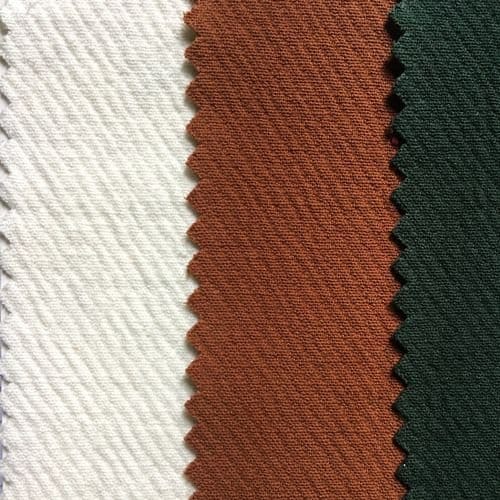
Twill fabrics are defined by their unique weaving pattern, where the weft thread passes over one or more warp threads before going under two or more warp threads. This creates the signature diagonal lines on the surface of the fabric. The pattern not only contributes to the visual appeal but also increases the fabric’s durability and strength compared to plain weave fabrics.
The distinctive diagonal pattern is usually referred to as the “twill weave,” and it can be produced in different variations, such as 2/1, 3/1, or even 5/2, depending on the number of threads used in the weave. This weave structure provides a sturdy, flexible fabric ideal for a range of uses, from denim jeans to luxurious silk twill scarves.
Characteristics of Twill Fabrics
Twill fabrics are known for their diagonal weave, which enhances their durability and texture. Key characteristics include:
- Diagonal Weave: The defining feature, providing both strength and visual appeal.
- Texture: Soft and smooth, with variations in weight depending on the fiber used.
- Durability: Resists wear and tear, making it ideal for long-lasting garments.
- Wrinkle Resistance: Less prone to wrinkles than plain weaves.
- Variety of Finishes: Includes herringbone, serge, and other variations for different effects.
These attributes make twill fabrics a popular choice for both fashion and functional textiles.
Types of Twill Fabrics
Twill fabrics come in a variety of types, each with its own unique characteristics and uses. Some of the most common types include:
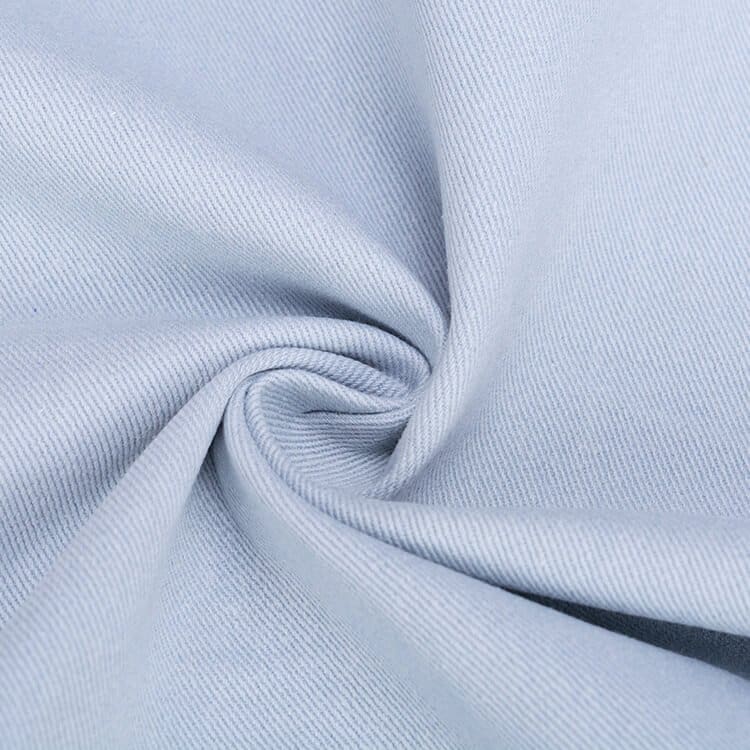
Cotton Twill: Lightweight and breathable, cotton twill is commonly used for casual wear, such as chinos and shirts. Its durability and softness make it a versatile fabric for everyday clothing.
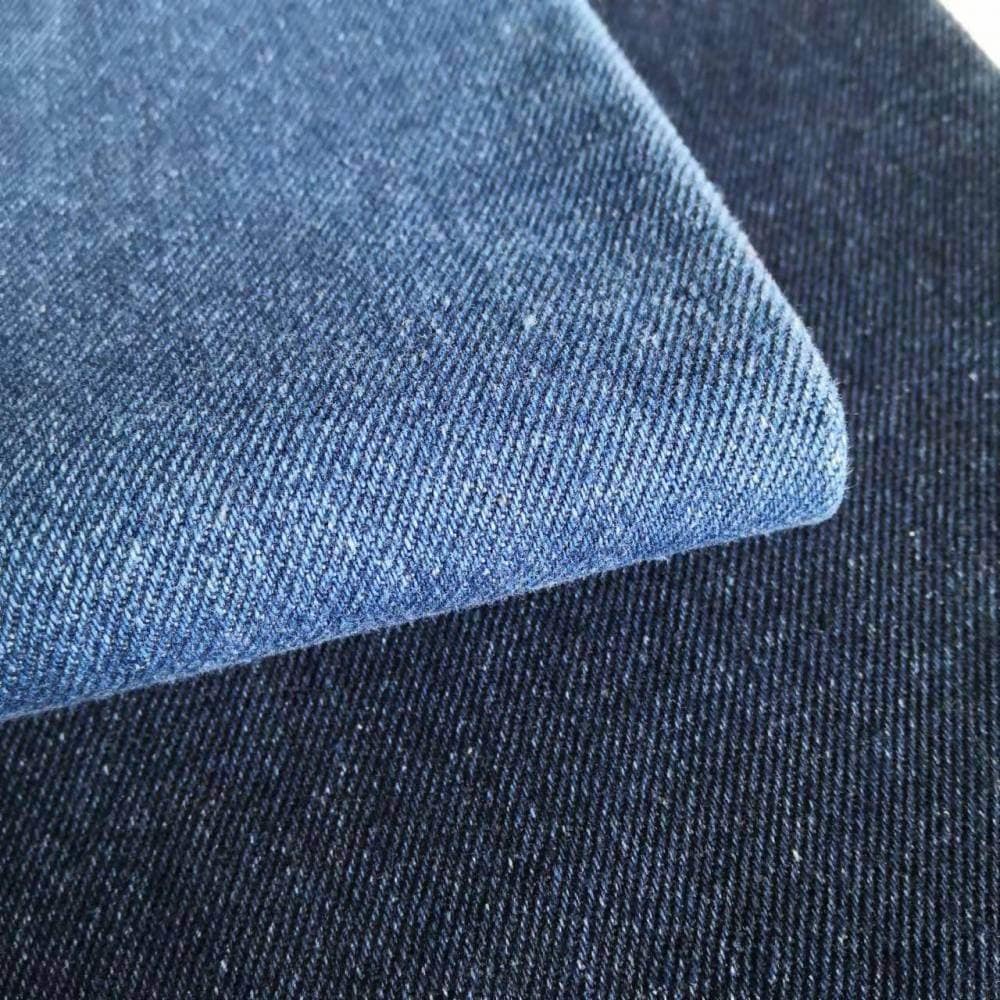
Denim Twill: A heavier form of cotton twill, denim is known for its ruggedness and is most famously used in jeans. Its durability and distinct blue hue have made it an enduring fabric in fashion.
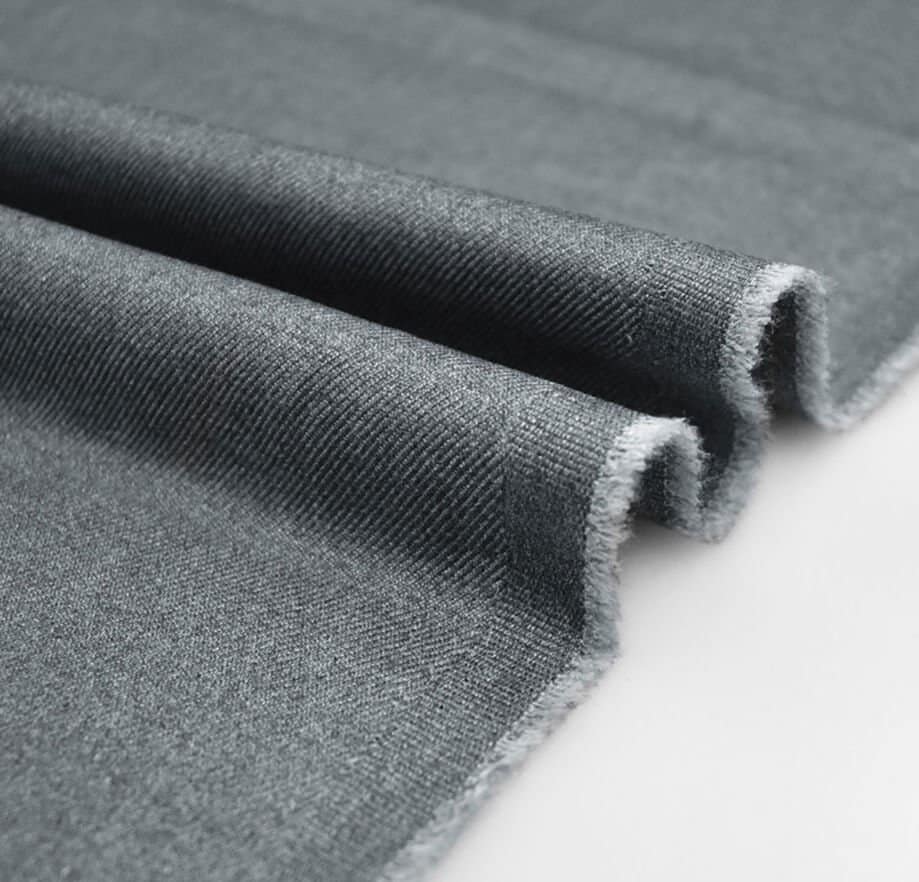
Wool Twill: Wool twill is a warmer and softer variant, often used for outerwear, suits, and coats. The natural properties of wool, combined with the twill weave, offer excellent insulation and comfort.
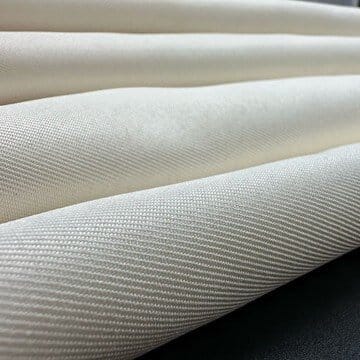
Gabardine: A fine, tightly woven twill, gabardine is smooth and durable, making it a popular choice for business suits, trousers, and skirts. It is often made from wool or polyester blends.
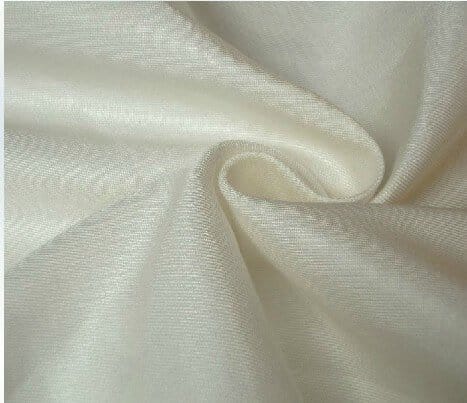
Silk Twill: Luxurious and smooth, silk twill is used in high-end fashion items like scarves and ties. The fabric drapes beautifully and has a lustrous sheen, adding elegance to any design.
Each type of twill fabric has its own set of characteristics suited to specific applications, making twill a highly adaptable fabric for various industries.
Production Process of Twill Fabrics
The production of twill fabrics involves a unique weaving technique that distinguishes it from other textiles. Here’s how it’s made:
| Step | Description |
|---|---|
| Loom Setup | Twill fabrics are woven on a loom, where warp (vertical) and weft (horizontal) threads are interlaced in a specific pattern. |
| Weaving Method | The weft passes over one or more warp threads and then under two or more warp threads, creating the signature diagonal pattern. |
| Thread Count | Common thread counts for twill fabrics include 2/1, 3/1, or 5/2, which dictate the spacing and prominence of the diagonal weave. |
| Fabric Treatment | After weaving, twill fabrics undergo treatments like dyeing, finishing, and pressing to enhance color, texture, and pattern definition. |
| Finishing Touches | Some twill fabrics are given additional finishes, such as water-resistant coatings or softening agents, to improve their properties and appearance. |
| Variations in Weave | Variations like herringbone or broken twill modify the basic weave structure to create unique visual effects, often used in fashion and upholstery. |
The production of twill fabrics involves a methodical process that focuses on creating durability and distinctive patterns. The weaving structure, thread count, and fabric treatments all contribute to the final product’s appearance and functionality.
Advantages and Disadvantages
Twill fabrics offer numerous benefits but also come with a few considerations. Here’s a balanced look at both:
Advantages:
- Durability: The diagonal weave makes twill fabrics strong and resistant to wear, ideal for high-use items like jeans and upholstery.
- Flexibility: Available in various weights, twill suits all seasons and uses, from lightweight cotton to heavy wool.
- Comfort: Breathable and soft, twill provides comfort without being too heavy, making it great for clothing.
- Wrinkle Resistance: Twill fabrics resist creases better than plain weaves, maintaining a crisp appearance throughout the day.
- Aesthetic Appeal: The distinctive diagonal pattern and variations like herringbone add visual interest, enhancing its style.
Disadvantages:
- Wrinkling: While more wrinkle-resistant than other fabrics, twill can still show creases, especially in heavier variants.
- Weight: Heavier twill fabrics can be bulky and less suitable for hot weather or lightweight clothing.
- Cost: High-quality twill, particularly wool or silk varieties, can be more expensive.
- Fraying: The edges of twill fabrics may fray if not properly finished, especially in raw or unprocessed forms like denim.
- Complex Care: Some twill fabrics require careful maintenance to avoid damage, particularly delicate or heavily treated varieties.
Despite the drawbacks, twill remains a top choice for those seeking durability, comfort, and style, particularly when cared for properly.
Uses of Twill Fabrics
Twill fabrics are widely used due to their durability and versatility:
- Apparel: Twill is commonly used in jeans, chinos, jackets, suits, and scarves. Cotton and denim twill offer ruggedness, while silk twill provides elegance.
- Upholstery: Its strength makes twill an ideal fabric for furniture upholstery, including sofas and chairs.
- Workwear: Twill fabrics, like denim and cotton twill, are favored for workwear due to their durability and comfort.
- Home Textiles: Twill is used in items such as curtains, bed linens, and tablecloths, offering longevity and easy maintenance.
- Accessories: Twill is also found in bags, shoes, and hats, combining durability with style.
Twill’s adaptability across various sectors ensures it remains a staple in both everyday and luxury products.
Care of Twill Fabrics
To keep twill fabrics in good condition, follow these care tips:
- Washing: Machine-wash in cold water to avoid shrinkage. Always check the care label for specific instructions.
- Drying: Air-dry when possible; tumble dry on low heat if necessary to prevent shrinkage.
- Ironing: Iron on a medium heat setting, preferably on the reverse side to avoid shine.
- Spot Cleaning: Gently dab stains with a mild detergent and clean cloth.
- Storage: Store in a cool, dry place and hang items like jackets or trousers to maintain shape.
Proper care will help preserve the durability and appearance of twill fabrics for long-lasting use.
Future Trends in Twill Fabrics
Twill fabrics continue to evolve as designers and manufacturers explore new materials and technologies. Here are some emerging trends:
- Sustainable Fabrics: With increasing demand for eco-friendly products, organic cotton twill and recycled fibers are becoming more popular. Manufacturers are also exploring biodegradable coatings to reduce environmental impact.
- Tech-Infused Twill: Innovative treatments, such as water-repellent or stain-resistant finishes, are being applied to twill fabrics, expanding their functionality for activewear and outdoor gear.
- Luxury Twill: High-end fabrics like silk twill and wool twill are gaining traction in luxury fashion, with designers using these materials for refined apparel and accessories that combine elegance with durability.
- Smart Textiles: The integration of smart technology into twill fabrics, such as temperature-regulating or light-responsive fabrics, is an exciting frontier, especially for outdoor and performance wear.
As the textile industry moves toward more sustainable, functional, and innovative materials, twill fabrics are adapting to meet the demands of modern consumers.
Conclusion
Twill fabrics are celebrated for their durability, versatility, and distinctive aesthetic. With a variety of types, including cotton, denim, wool, and silk, twill suits an array of applications, from everyday apparel to high-end fashion and functional workwear. The unique diagonal weave not only enhances the fabric’s strength but also gives it a rich texture that makes it a staple in both fashion and home textiles.
While twill fabrics offer many benefits, such as comfort, wrinkle resistance, and long-lasting wear, they also come with a few challenges, including potential wrinkling, weight, and care requirements. However, with proper maintenance, twill remains a reliable choice for quality and style.
As the industry continues to innovate, twill fabrics are expected to evolve with new sustainable materials, high-tech finishes, and advanced textiles, ensuring their place in future fashion and functional designs.