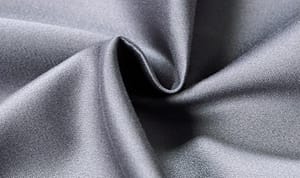

Origins of Silk Fabric
Silk originated in China over 4,000 years ago, with its discovery traditionally attributed to Empress Leizu. According to legend, Leizu was drinking tea under a mulberry tree when a silkworm cocoon fell into her cup. As it unraveled in the hot water, she discovered the fine thread and began experimenting with it, eventually developing the process of sericulture—raising silkworms and extracting their silk.
Historically, silk production in China began around 2700 BCE, and archaeological evidence confirms that silk was being used in China during this period. For centuries, China kept the process of silk production a closely guarded secret, maintaining a monopoly on this precious material.
Silk became an important symbol of wealth and was initially reserved for royalty. It was later traded along the Silk Road, spreading to Europe and other parts of Asia, becoming a highly sought-after luxury fabric worldwide.
The Silk Road

It began during the Han Dynasty (206 BCE–220 CE) and stretched over 4,000 miles, passing through Central Asia, India, Persia, and into Europe. Silk became a symbol of wealth and prestige in these regions, and its trade played a crucial role in shaping global commerce and cultural interactions.
The Silk Road was an ancient trade route that connected China to the Mediterranean, facilitating the exchange of goods, culture, and ideas. Silk was the most prized commodity traded along this route, which is why it was named the Silk Road.
What is Silk Fabric?
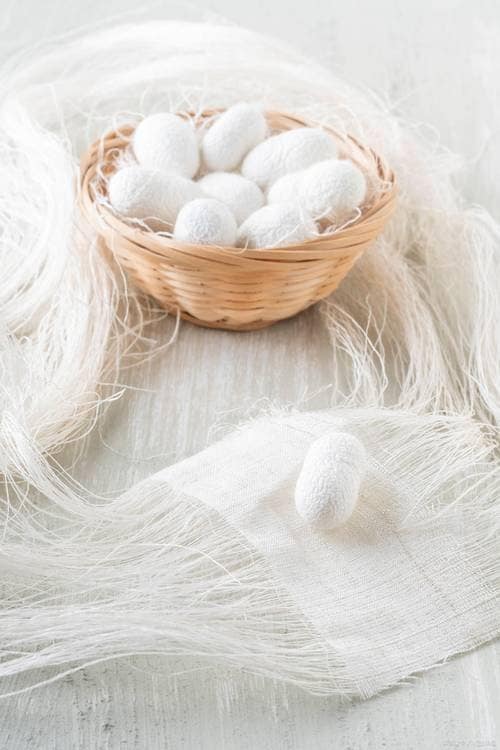
Silk is a natural protein fiber produced by silkworms as they create their cocoons. The fibers are harvested, spun into thread, and woven into fabric. Known for its smooth texture and lustrous sheen, silk is highly prized for its softness, strength, and luxurious appearance. It is breathable, moisture-wicking, and offers warmth while remaining lightweight, making it ideal for both clothing and home textiles.
Characteristics of Silk Fabric
Silk is renowned for several unique qualities that set it apart from other fabrics:
- Lustrous Shine: Silk has a natural sheen due to its triangular prism-like structure, which allows light to reflect at different angles, creating a beautiful shimmer.
- Softness: Silk is incredibly soft and smooth, making it comfortable against the skin.
- Breathable and Moisture-Wicking: It is a breathable fabric that helps regulate body temperature by absorbing and releasing moisture.
- Strength and Durability: Despite its delicate appearance, silk is one of the strongest natural fibers, making it surprisingly durable.
- Lightweight but Insulating: Silk provides warmth while remaining lightweight, making it suitable for various climates.
Silk Production Process
The production of silk, known as sericulture, is a detailed and labor-intensive process that involves several key steps:
| Characteristic | Description |
|---|---|
| Lustrous Shine | Silk’s triangular fiber structure reflects light, giving it a natural shimmer and elegant sheen. |
| Softness | Silk is smooth and soft to the touch, making it very comfortable to wear against the skin. |
| Breathability and Moisture-Wicking | Silk is highly breathable and can absorb and release moisture, keeping the skin dry and cool. |
| Strength and Durability | Silk is one of the strongest natural fibers, offering long-lasting durability despite its delicate appearance. |
| Lightweight but Insulating | Though lightweight, silk provides warmth, making it suitable for a range of temperatures. |
Types of Silk Fabric
Silk comes in various types, each with unique characteristics suited for different uses. Here are some of the most common types of silk fabric:
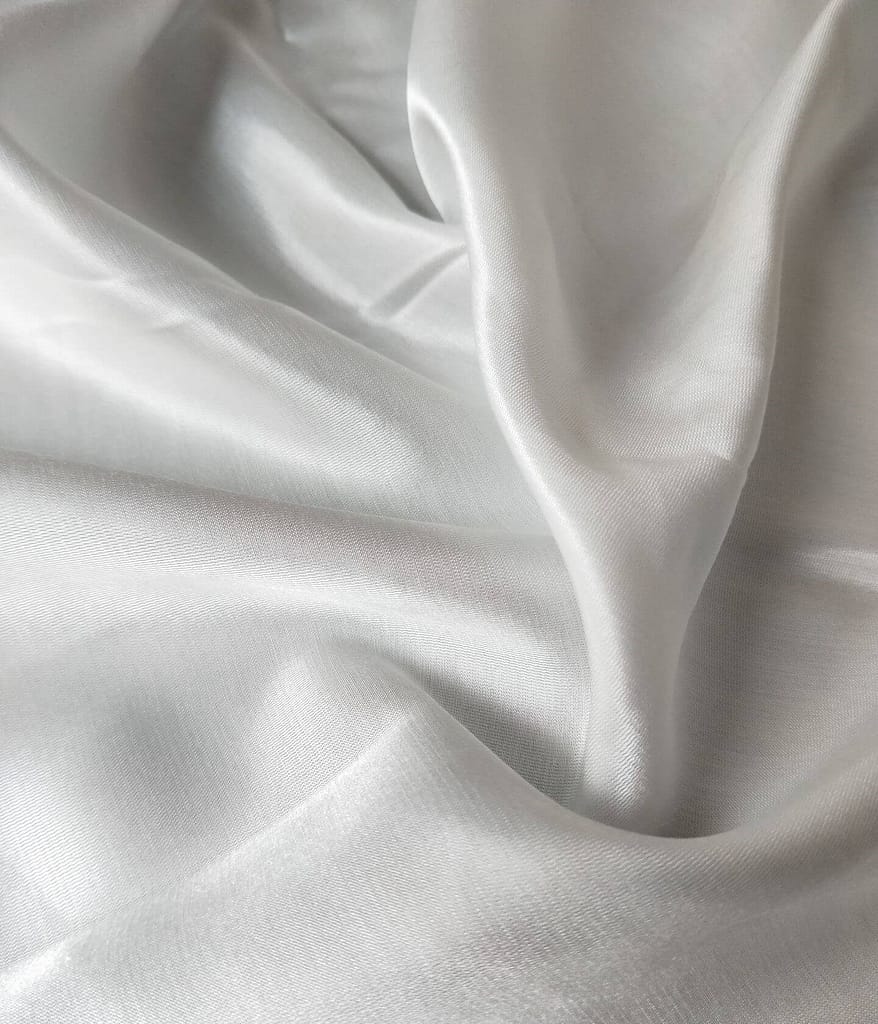
Mulberry Silk: The highest quality and most common type of silk, produced by silkworms that feed exclusively on mulberry leaves. It’s prized for its fine texture, strength, and durability, making it ideal for luxury clothing and bedding.
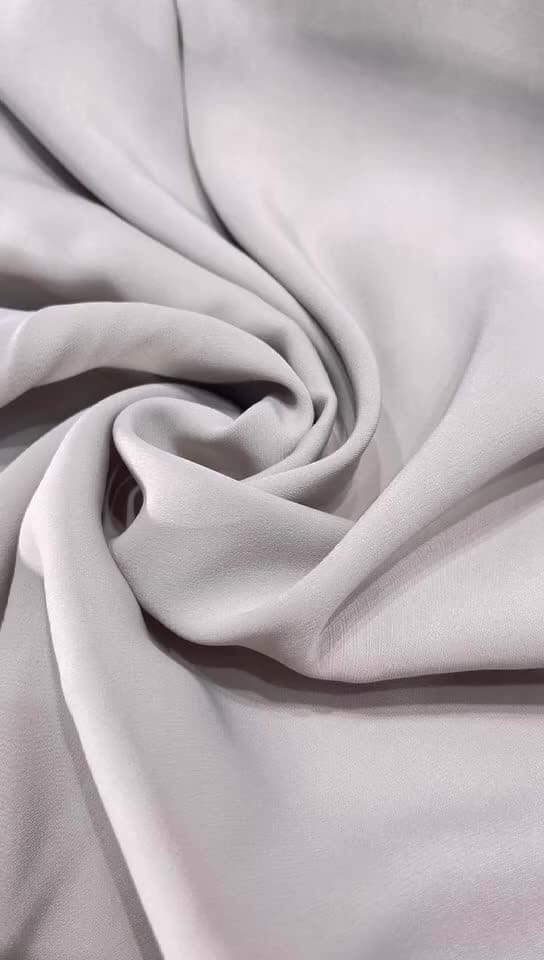
Satin Silk: Known for its smooth, glossy surface and luxurious feel, often used for evening gowns, lingerie, and bedding.
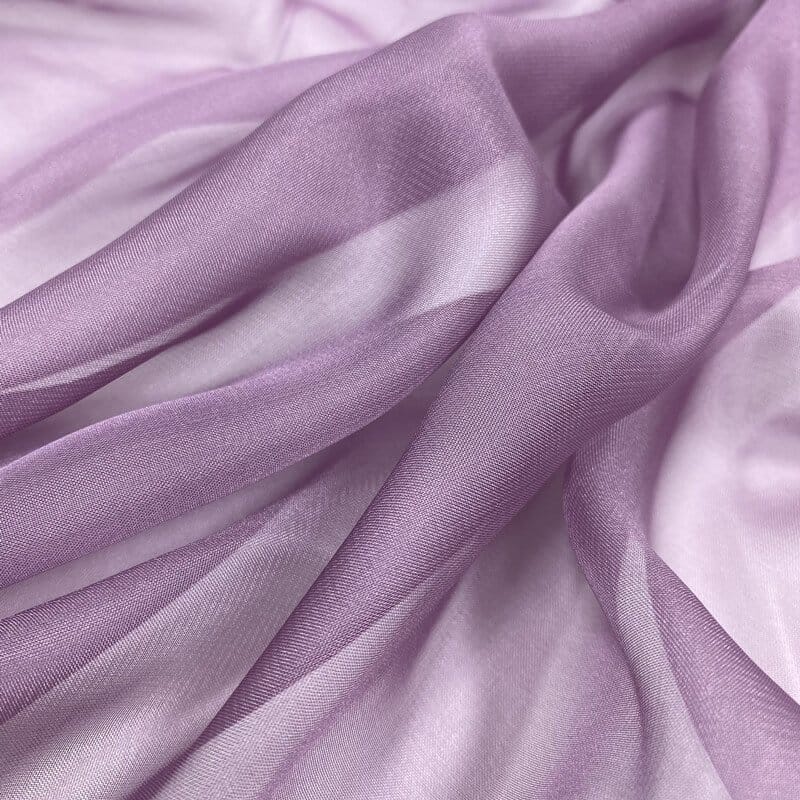
Chiffon Silk: A lightweight, sheer fabric with a soft drape, commonly used for dresses, scarves, and blouses.
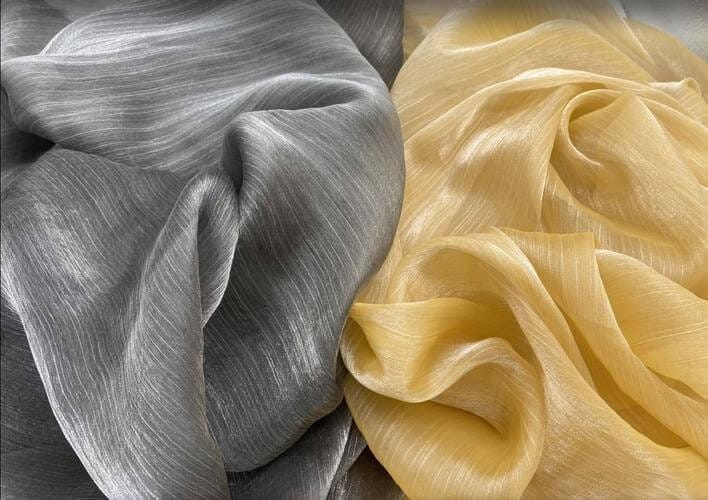
Crepe de Chine: A silk fabric with a slightly crinkled texture, soft and lightweight, ideal for blouses and dresses.
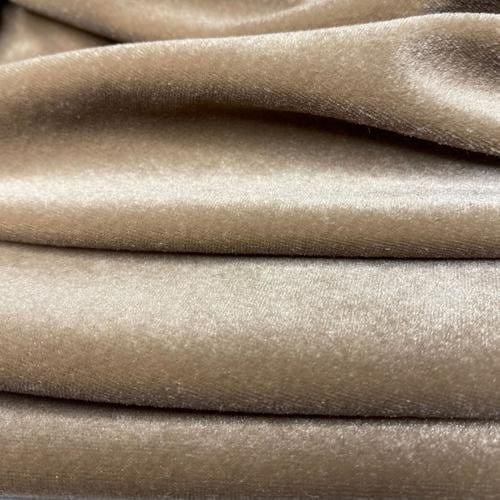
Silk Velvet: A plush, soft fabric with a rich texture, perfect for evening wear and home décor.
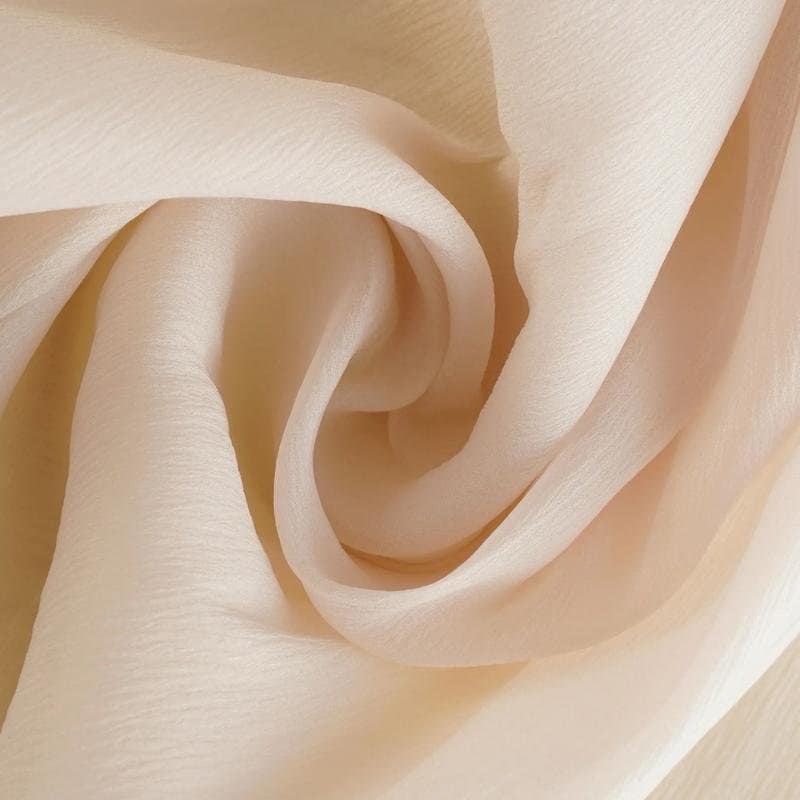
Organza Silk: A sheer, stiff fabric used in wedding dresses, veils, and decorative pieces.
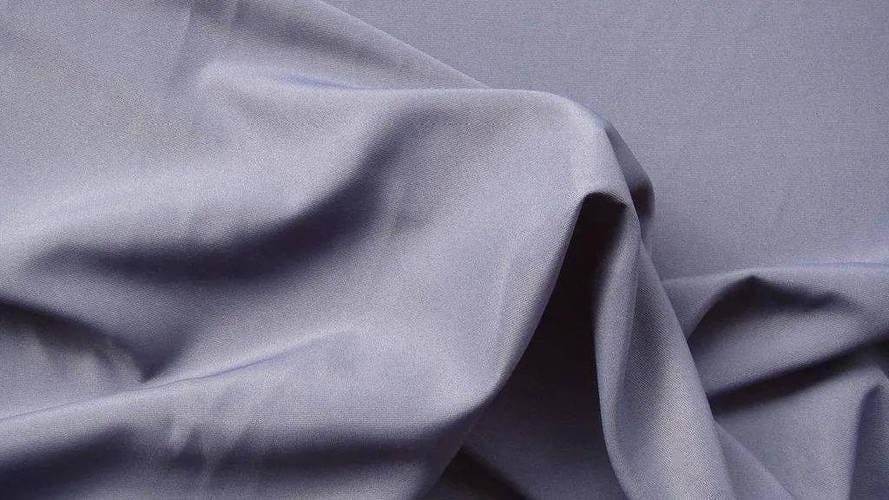
Taffeta Silk: A crisp, smooth fabric often used in formal wear, such as ball gowns and bridal dresses.
Mulberry Silk stands out as the most luxurious and widely used silk due to its superior quality and smoothness.
Uses of Silk Fabrics
Silk fabrics are versatile and widely used in various areas, including:
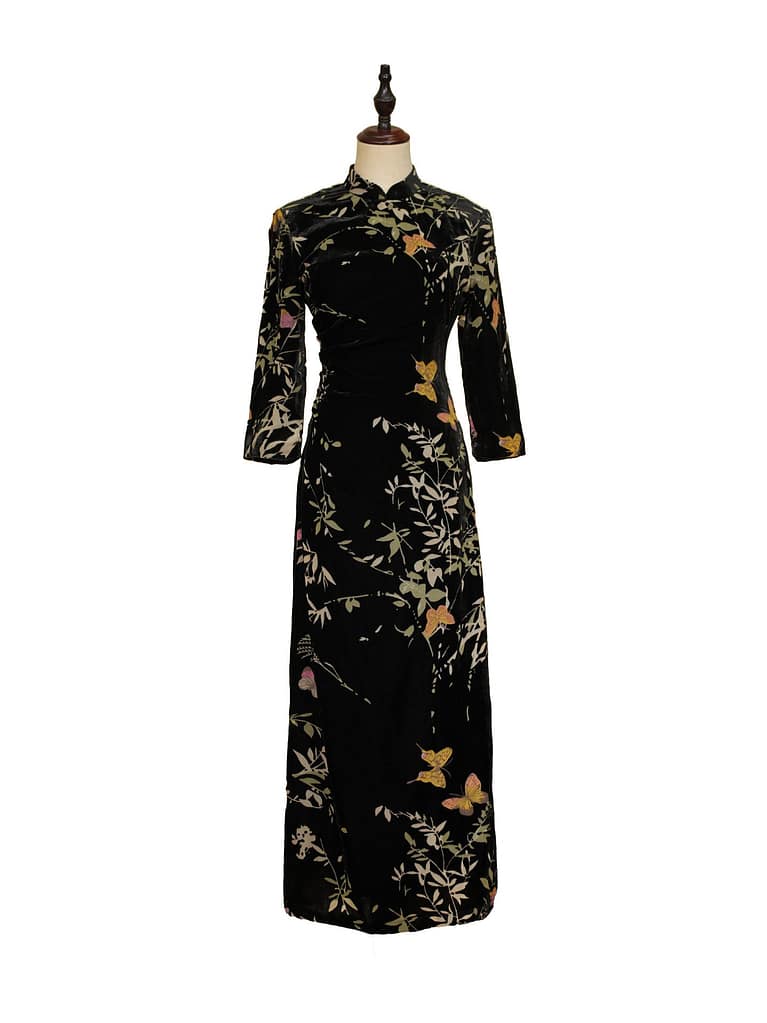
Clothing: Silk is commonly used for luxurious garments such as evening gowns, dresses, shirts, blouses, lingerie, and sleepwear. Its softness, shine, and comfort make it ideal for formal and casual wear alike.
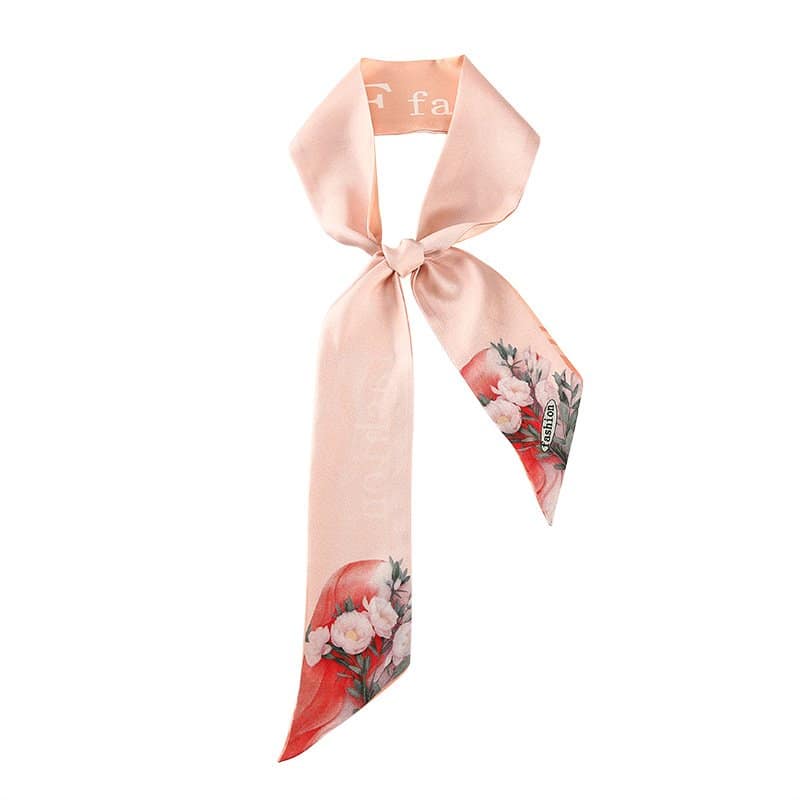
Accessories: Silk is popular for making scarves, ties, pocket squares, and hair accessories, offering a stylish and polished look with its vibrant colors and smooth finish.
Home Décor: Silk is often used in home textiles, including curtains, cushion covers, bedspreads, and upholstery. Its sheen and rich texture add elegance and sophistication to interior spaces.
Art and Craft: Silk is a favored material for artistic works, including embroidery, painting, and high-end tapestries, due to its fine texture and ability to hold vibrant colors.
Other Uses of Silk
Silk is not only used for clothing and home décor but also in several other areas:
Medical: Silk is used for surgical sutures and other medical applications because of its strength and compatibility with the body.
Cosmetics: Silk proteins are included in some beauty products for their moisturizing and skin-smoothing benefits.
Industrial Uses: Silk is used in advanced materials, such as parachutes and certain high-performance fabrics, due to its strength and flexibility.
About caring for Silk Fabrics
Silk is delicate and needs careful handling. Here are simple care tips:
- Hand Wash: Use cold water and mild detergent. Avoid wringing or twisting the fabric.
- Avoid Sunlight: Dry silk in the shade to prevent fading.
- Low Heat Ironing: If needed, iron on low heat with a cloth in between.
- Store Properly: Store silk in a cool, dry place, either hanging or wrapped in soft fabric.
These steps will help keep silk looking beautiful and lasting longer.
Conclusion
Silk, with origins in ancient China, is prized for its softness, shine, and versatility, symbolizing luxury across fashion, home décor, and even medical fields.
Proper care, like gentle washing and avoiding sunlight, helps preserve silk’s beauty and durability. Its timeless elegance makes it a beloved fabric worldwide.