Origins of Seersucker Fabrics
Seersucker has its roots in India, where it was originally crafted from silk or cotton. The name “seersucker” comes from the Persian words “sheer” meaning milk and “sucker” meaning sugar, describing the fabric’s alternating smooth and textured appearance. It was first introduced to the West during the British colonial era, where it became a popular fabric for warm-weather clothing due to its lightweight and breathable nature.
By the 19th century, seersucker had made its way into American fashion, especially in the Southern United States. Its popularity grew due to its ability to provide comfort in hot, humid climates. The fabric became a classic for summer suits and casual wear, often associated with classic preppy style and outdoor activities.
What is Seersucker Fabric?
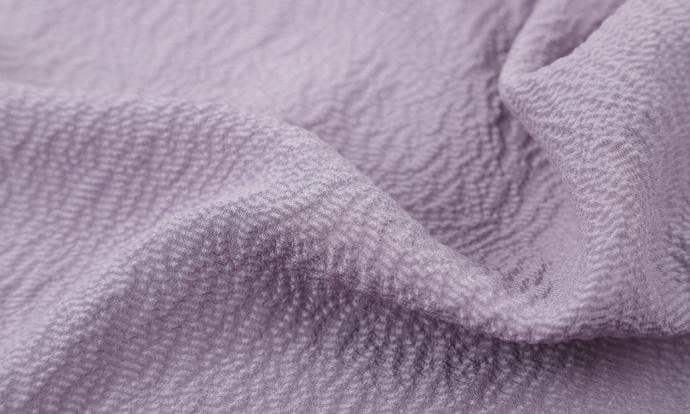
Seersucker fabric is a lightweight, textured fabric known for its distinctive crinkled or puckered surface. This texture is created during the weaving process, where threads of varying tension are woven together to create the rippled effect. Typically made from cotton, seersucker can also be blended with other fibers like polyester or nylon for added durability and wrinkle resistance.
The fabric’s signature pucker allows it to stand away from the skin, promoting air circulation and enhancing comfort in warm weather. Seersucker’s unique structure helps it retain its cool, breezy feel, even in hot and humid conditions, making it a staple for summer clothing.
Characteristics of Seersucker Fabrics
Seersucker is prized for its unique texture and practical benefits, which set it apart from other fabrics. Here are some key characteristics:
- Crinkled Texture: The most defining feature of seersucker is its puckered surface, which is achieved through the weaving process. This texture not only gives the fabric its signature look but also helps keep the material off the skin, improving airflow and comfort.
- Lightweight and Breathable: Made primarily from cotton, seersucker is lightweight and highly breathable, making it ideal for hot and humid climates. The air pockets created by the crinkled texture help to keep the wearer cool.
- Wrinkle-Resistant: Due to its woven structure, seersucker resists wrinkles, even after washing, making it low-maintenance and perfect for travel or day-long wear.
- Durable: Despite its lightness, seersucker is durable and can withstand frequent use, which adds to its appeal for everyday wear.
Types of Seersucker Fabrics
Seersucker fabrics come in a variety of styles and patterns, offering versatility beyond the classic plain weave. Here are some common types:
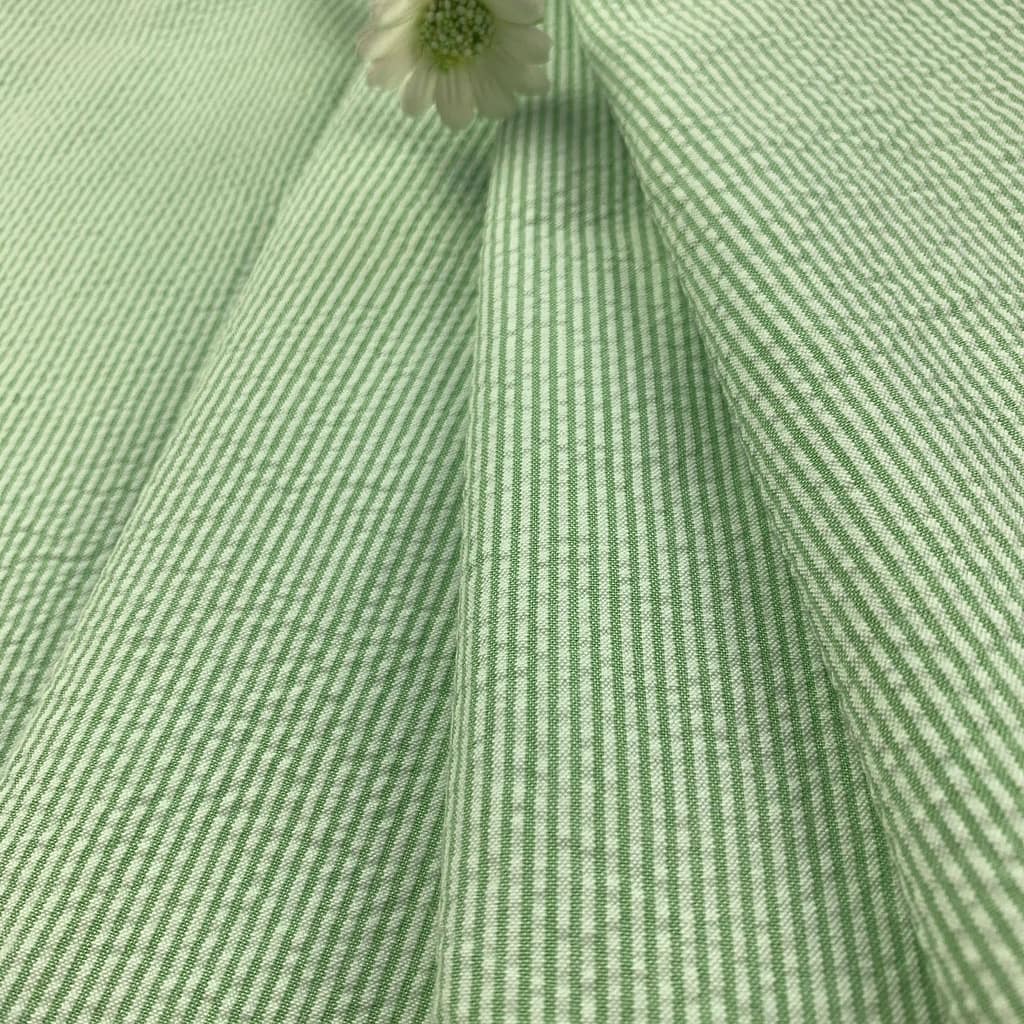
Plain Seersucker: The most traditional form, featuring simple, uniform puckering. This version is often used for basic summer garments like shirts, shorts, and dresses, as it provides a clean, crisp appearance.
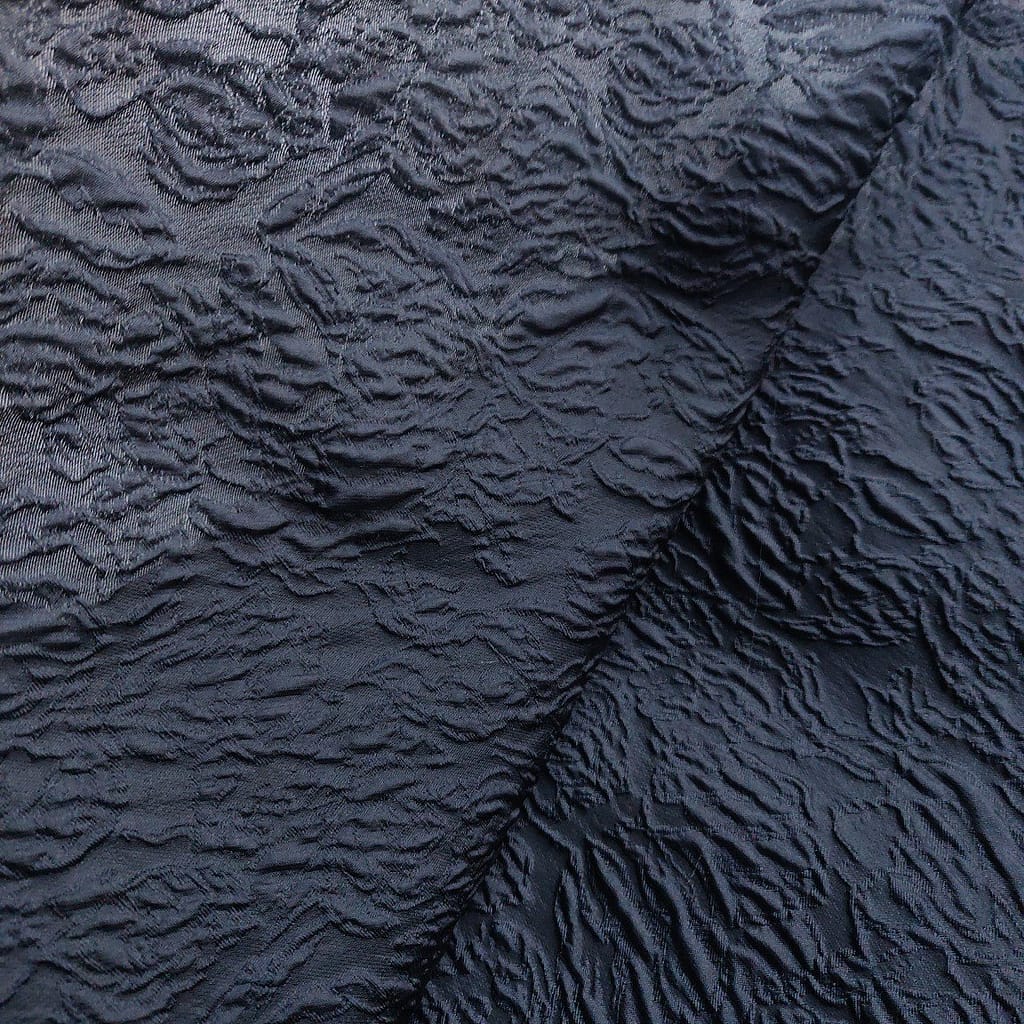
Patterned Seersucker: In addition to solid colors, seersucker fabrics are also available in various patterns, such as stripes, checks, or plaids. These patterns maintain the signature texture while adding visual interest and variety.
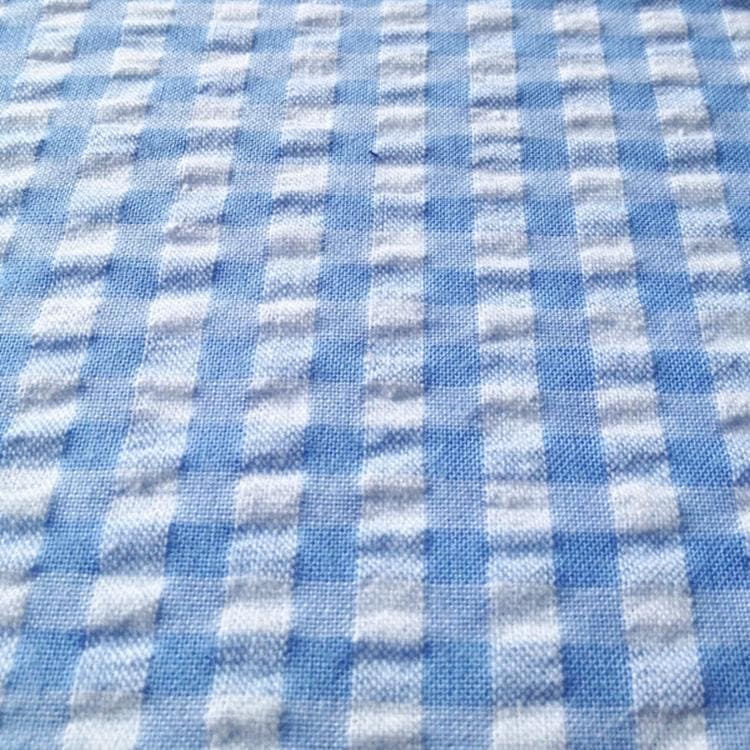
Two-Tone Seersucker: This type features alternating colors or contrasting threads, which create a more pronounced and dynamic look. The dual colors enhance the puckered texture and can add depth to a garment.
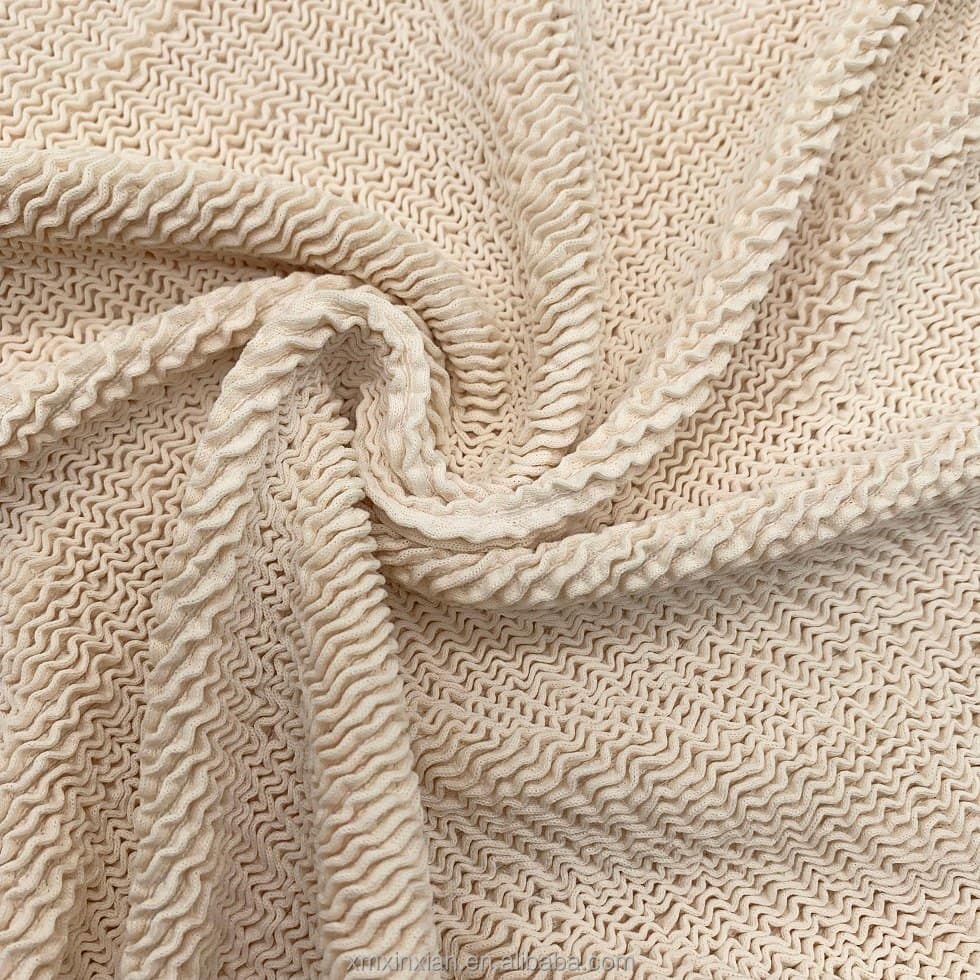
Blended Seersucker: While traditional seersucker is typically made from cotton, modern versions may incorporate synthetic fibers like polyester or spandex. These blends can improve durability, stretch, and moisture-wicking properties, making them suitable for activewear or more structured pieces.
Production Process of Seersucker Fabrics
The production of seersucker involves a specific weaving technique that creates its signature texture. Below is an overview of the key steps in the production process:
| Step | Description |
|---|---|
| Yarn Preparation | Cotton or blended fibers are selected, spun into yarns, and dyed in the desired colors. |
| Weaving | The yarns are woven using a crepe weave technique, where warp threads are tensioned differently to create a puckered texture. |
| Puckering Process | Warp threads are alternately tightened and loosened during weaving to form the characteristic crinkled effect. |
| Finishing | The fabric is heat-treated or chemically processed to set the texture and enhance durability, ensuring the puckered texture remains even after washing. |
| Quality Control | The fabric is inspected for consistency in texture and color. Any irregularities are corrected before it is ready for use in garments or other products. |
This weaving and finishing process gives seersucker its unique properties, including its light, breathable feel and wrinkle-resistant texture.
Advantages of Seersucker Fabrics
Seersucker offers several benefits that make it a popular choice for warm-weather clothing and beyond. Here are some of the key advantages:
- Cool and Comfortable: The textured weave allows air circulation, keeping you cool in hot weather.
- Wrinkle-Resistant: The puckered texture naturally resists wrinkles, reducing maintenance.
- Breathable: Made mostly from cotton, seersucker is highly breathable and moisture-wicking.
- Durable: Despite its lightness, seersucker is strong and withstands wear and washing.
- Versatile: Perfect for casual wear, formal attire, and home textiles like bedding and curtains.
Uses of Seersucker Fabrics
Seersucker is widely used in both fashion and home decor due to its unique texture and practical benefits:
- Fashion: Seersucker is a popular choice for warm-weather clothing, including shirts, dresses, suits, shorts, and skirts. Its lightweight, breathable nature makes it ideal for summer wear, while its wrinkle-resistant properties keep outfits looking fresh all day.
- Home Textiles: Seersucker is also used in home decor items like bedding, curtains, and pillowcases. Its distinctive texture adds visual interest to living spaces, while its lightness makes it suitable for warmer climates.
- Specialty Garments: Seersucker is often chosen for uniforms, especially for outdoor events or casual settings, thanks to its comfort and low-maintenance nature. It’s also used in loungewear and beachwear for its casual, breezy look.
Care of Seersucker Fabrics
Seersucker is relatively easy to care for, thanks to its wrinkle-resistant properties, but proper maintenance can help preserve its texture and durability:
- Washing: Seersucker can be machine washed in cold water with a gentle cycle. It’s best to avoid using hot water, which may cause shrinkage.
- Drying: Air drying is recommended to preserve the fabric’s texture. If using a dryer, opt for a low heat setting to avoid damaging the fabric or causing excessive shrinkage.
- Ironing: Due to its crinkled texture, seersucker generally doesn’t need ironing. If needed, use a low heat setting to smooth out any stubborn creases.
- Storage: Store seersucker garments in a cool, dry place to prevent any mildew or odor buildup. Hang or fold items to maintain their shape.
Future Trends in Seersucker Fabrics
Seersucker continues to evolve in both fashion and home decor, maintaining its classic appeal while adapting to modern trends:
- Modern Fashion: While seersucker has long been associated with preppy or Southern styles, designers are incorporating it into contemporary and high-fashion collections. Updated patterns, like bold stripes or vibrant colors, are making seersucker a go-to for both casual and dressy outfits.
- Sustainability: As eco-friendly fabrics gain popularity, seersucker’s cotton base makes it a natural choice for sustainable fashion. Many brands are now opting for organic cotton or recycled fibers in their seersucker designs, aligning with the demand for greener textiles.
- Home Decor: Seersucker is expanding beyond clothing into home textiles with modern, minimalist designs. Its breathable and durable nature makes it a popular choice for summer bedding and lightweight curtains, offering a relaxed, fresh look for home interiors.
The future of seersucker looks promising, with its timeless appeal continuing to attract attention in both fashion and home furnishings, while its easy care and comfort ensure its place in wardrobes and homes alike.
Conclusion
Seersucker fabrics have earned their place as a classic, beloved for their unique crinkled texture, breathability, and versatility. Whether in summer wardrobes or home decor, seersucker remains a timeless fabric that effortlessly combines comfort with style. Its ability to keep wearers cool and fresh in warm climates, paired with its low-maintenance, wrinkle-resistant nature, makes it an enduring favorite.
As trends evolve, seersucker continues to adapt, offering modern twists while maintaining its signature appeal. From casual beachwear to sophisticated suits, this fabric will undoubtedly continue to be a go-to choice for comfort, practicality, and style in the years to come.