Introduction
Starting a private label clothing business can be an exciting and profitable venture, but building your own clothing line from scratch can be a complex and expensive process. This is where the private label model shines. A private label clothing business allows you to create a unique clothing brand without having to design, manufacture, or handle the complexities of production.
Private labeling involves partnering with a manufacturer that creates clothing products that you can brand as your own. You control the design, marketing, and sales, while leaving the production to experienced manufacturers. This significantly reduces overhead costs and allows you to focus on growing your brand.
Understanding the Private Label Model
Before diving into the process of starting your private label clothing line, it’s essential to understand what private labeling actually means and why it’s such an appealing option for aspiring entrepreneurs.
What is Private Label Clothing?
Private label clothing refers to products that are manufactured by one company (the manufacturer) but sold under another company’s brand (your brand). Essentially, the manufacturer creates the garments based on your specifications—whether it’s in terms of materials, colors, or styles—and then you sell those products as your own brand. The key here is that you’re not involved in the actual production; you’re focusing on marketing, branding, and selling the items.
Private Label vs. Custom or Branded Clothing
It’s important to distinguish between private label clothing and custom or branded clothing. While both allow you to sell unique products, they differ in terms of how much control you have over the creation process:
Private Label Clothing: The designs, styles, and production are based on pre-existing templates from manufacturers. You essentially customize existing products to fit your brand’s needs.
Custom Clothing: You work with a manufacturer to create entirely new designs from scratch. This usually requires more investment in design, prototyping, and testing.
Branded Clothing: This refers to clothing that is created by a company specifically for their own brand, with full control over the design and production process.
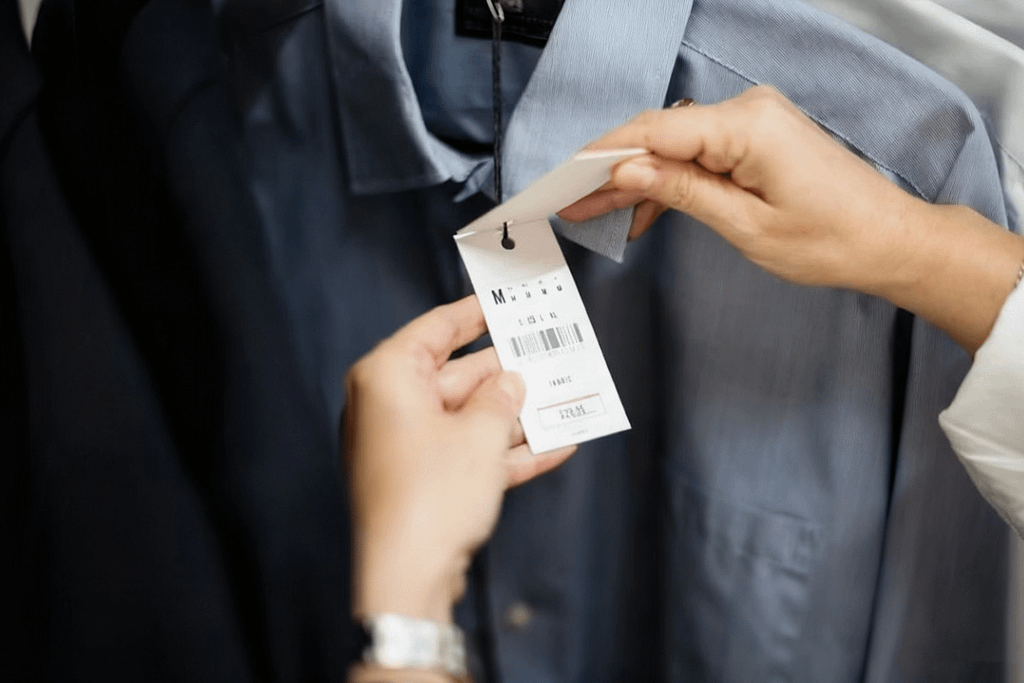
Why Choose the Private Label Model?
The private label model offers several advantages for new entrepreneurs looking to break into the fashion industry:
Lower Upfront Costs: Since you’re not designing the clothing from scratch, the manufacturing costs are typically lower. You avoid large initial investments in custom designs and production setups.
Scalability: With private labeling, you can scale your business quickly without the need to invest heavily in production or equipment. As demand grows, you can easily work with manufacturers to increase production.
Focus on Branding and Marketing: You don’t need to worry about the complexities of garment production, quality control, or logistics. This allows you to focus on building your brand, creating a unique identity, and connecting with your target market.
Step 1: Identify Your Niche – Finding Your Unique Place in the Fashion Market
In the competitive fashion industry, choosing a niche is essential to standing out. A niche allows you to focus on a specific audience, making it easier to tailor your products and brand messaging to their needs.
How to Identify Your Niche
- Analyze Market Trends: Stay updated on current fashion trends to spot high-demand niches, like sustainable or athleisure wear.
- Align with Your Passion: Choose a niche that reflects your personal interests and expertise, whether it’s eco-friendly fashion or sportswear.
- Understand Your Audience: Define who your customers are and what they need. This helps create products they’ll love.
- Research Competitors: Look at existing brands in your niche to find gaps in the market where you can stand out.
- Test the Market: Consider offering a limited collection to gauge demand before committing fully.
Popular niches include sustainable fashion, athleisure, plus-size apparel, and streetwear. Identifying a niche helps you build a focused brand that attracts the right audience.
Step 2: Find a Reliable Manufacturer – Partnering for Quality and Consistency
Once you’ve identified your niche, the next critical step is finding a manufacturer who can bring your vision to life. Your choice of manufacturer will directly impact the quality, cost, and turnaround time of your products, so it’s essential to choose wisely.
How to Find a Reliable Manufacturer
- Research Manufacturers
Look for manufacturers who specialize in the type of clothing you plan to sell. Start by browsing directories like Maker’s Row (for US-based manufacturers) or Alibaba (for global options) to find reputable suppliers. - Evaluate Their Experience and Reputation
Check how long the manufacturer has been in business and read reviews from other brands they’ve worked with. Experience in your specific niche can be a huge advantage. - Request Samples
Always ask for samples before committing to large orders. This will help you assess fabric quality, stitching, and overall workmanship. - Minimum Order Quantities (MOQs)
Manufacturers often have a minimum order requirement, which can vary significantly. Ensure their MOQs align with your budget and business goals. - Transparency and Communication
A reliable manufacturer should be easy to communicate with and transparent about lead times, costs, and production processes. Good communication is crucial to avoid delays or misunderstandings. - Test for Quality Control
Ensure your manufacturer has quality control processes in place. Request detailed information about how they test products for defects before shipping.
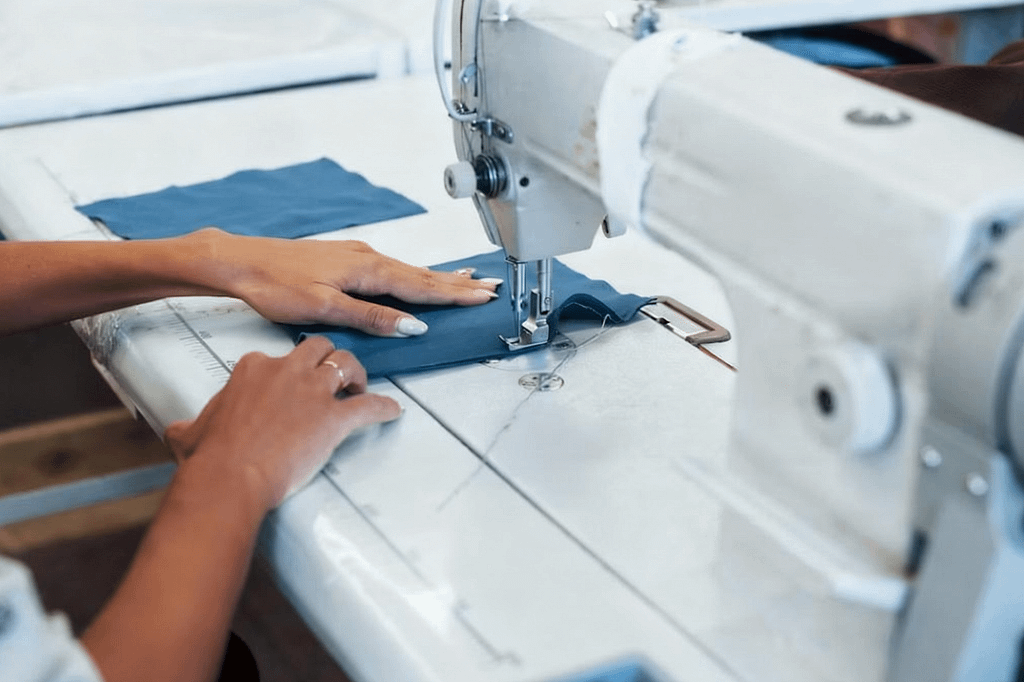
Step 3: Create Your Brand Identity – Building a Strong and Memorable Brand
Your brand identity sets you apart and helps build customer loyalty. It’s essential for standing out and creating a meaningful connection with your audience.
How to Develop Your Brand Identity
- Define Your Core Values
Clarify what your brand stands for (e.g., sustainability, luxury, inclusivity). These values will guide your products and marketing. - Choose a Memorable Name and Logo
Pick a simple, memorable name and a professional logo that reflects your niche. - Design Your Aesthetic
Create a cohesive visual style (colors, designs, etc.) that aligns with your brand and appeals to your target market. - Craft Your Brand Story
Share the story behind your brand to make it more relatable and connect emotionally with customers. - Establish Your Brand Voice
Develop a consistent voice and tone (fun, elegant, casual, etc.) for all communications.
Step 4: Develop Your Product Line – Curating Your First Collection
With your niche and brand identity set, it’s time to create your product line. Start small with a few key pieces that cater to your target audience and align with your niche. For example, focus on basics like graphic tees or leggings for an athleisure line.
Tips for Developing Your Collection:
- Start Small: Choose a few versatile pieces to test the market.
- Consider Seasonality: Plan products around the current or upcoming season.
- Offer Variety: Provide different styles, colors, and sizes to appeal to a wider audience.
- Prioritize Quality: Focus on comfort, durability, and fit to keep customers coming back.
- Packaging Matters: Design packaging that reflects your brand identity and adds value to the unboxing experience.
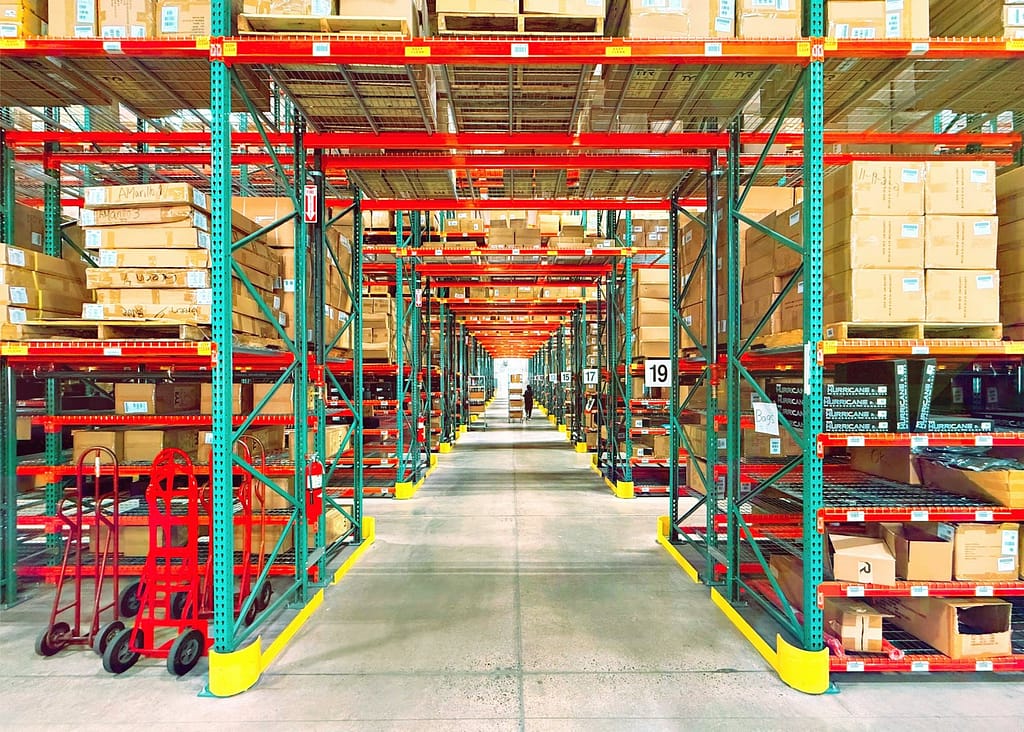
Step 5: Set Up Your Online Store – Creating a Seamless Shopping Experience
Now that you have your products, it’s time to get them in front of customers. Setting up an online store is one of the most important steps in launching your private label clothing business. A professional and user-friendly website can help convert visitors into loyal customers.
How to Set Up Your Online Store
- Choose the Right Platform
Select an e-commerce platform that suits your needs. Popular options like Shopify, WooCommerce, and BigCommerce are user-friendly and offer features specifically designed for fashion retailers, such as easy product uploads, secure payment options, and inventory management. - Design for User Experience
Your website design should reflect your brand’s identity and be easy to navigate. Make sure your site is mobile-friendly, as many shoppers browse and buy on their phones. Use high-quality product photos, clear product descriptions, and an intuitive layout to enhance the shopping experience. - Set Up Payment Gateways
Offer a variety of payment methods, such as credit cards, PayPal, and even mobile wallets like Apple Pay or Google Pay. This ensures a smooth checkout process for your customers. - Shipping and Returns
Clearly outline your shipping policies, delivery times, and return process. Offer multiple shipping options to cater to different customer needs, and make the return process as simple as possible to encourage trust and customer satisfaction. - SEO and Content Optimization
Optimize your site for search engines (SEO) to ensure potential customers can find you. Use relevant keywords in your product titles, descriptions, and blog posts. Regularly update your content with fashion-related blogs, style guides, and promotions to engage visitors.

Step 6: Marketing and Building an Audience – Getting Your Brand Noticed
With your products and website ready, it’s time to market your clothing line and attract customers. Focus on channels that resonate with your target audience to build awareness and drive sales.
Key Marketing Strategies:
- Social Media: Use platforms like Instagram, TikTok, and Pinterest to post engaging content and reach your audience. Collaborate with influencers to expand your reach.
- Paid Ads: Run ads on Facebook and Instagram to target specific demographics. Retarget visitors who didn’t complete a purchase.
- Email Marketing: Build an email list and send updates, promotions, and product launches to keep customers engaged.
- Content Marketing: Share helpful content like style guides and blog posts to drive traffic and build brand authority.
Step 7: Manage Inventory and Shipping – Ensuring a Smooth Fulfillment Process
Efficient inventory management and reliable shipping are key to customer satisfaction and smooth operations.
How to Manage Inventory and Shipping
- Inventory Management
Track stock levels and use tools like Shopify to avoid running out of popular items or overstocking. - Order Fulfillment
Fulfill orders in-house or use a third-party logistics (3PL) provider to handle warehousing and shipping. - Shipping Partners
Choose reliable partners and offer multiple shipping options, including tracking for transparency. - Returns and Support
Have a clear return policy and respond quickly to customer inquiries to maintain a good reputation.
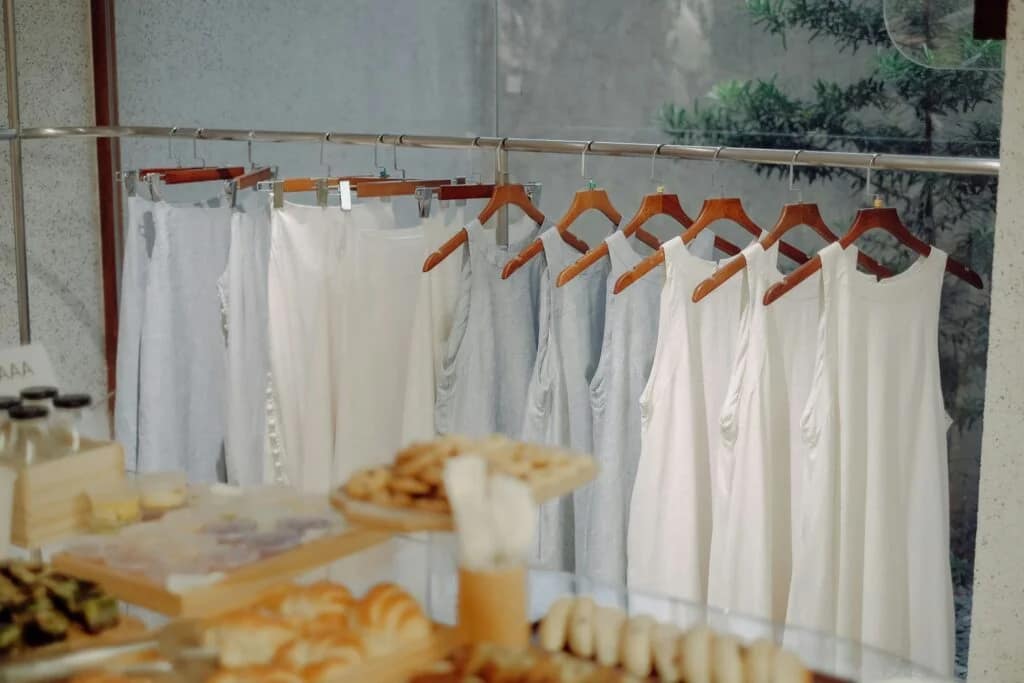
Step 8: Measure Success and Optimize – Tracking Performance and Improving Your Business
After launching your private label clothing business, it’s crucial to track performance and continuously improve by monitoring key metrics and customer feedback.
How to Measure Success and Optimize
- Track Key Metrics
Focus on KPIs like sales, conversion rates, and customer acquisition costs using tools like Google Analytics. - Customer Feedback
Use surveys and social media to gather insights on what’s working and what needs improvement. - A/B Testing
Test different elements (product descriptions, pricing) to see what resonates best with customers. - Review Marketing Campaigns
Assess the effectiveness of your ads and adjust based on performance data. - Iterate and Improve
Make adjustments to products, website, or customer service based on feedback and trends.
Conclusion
Starting a private label clothing business is an exciting journey, but it requires careful planning, creativity, and dedication. By identifying your niche, choosing the right manufacturer, building a strong brand identity, and developing a well-thought-out product line, you’ll set a solid foundation for success. Marketing your brand, managing inventory, and optimizing based on data are key steps to ensure growth and sustainability.
Remember, consistency is key. Stay true to your brand values, listen to your customers, and be willing to adapt as your business evolves. With the right approach, your private label clothing line can stand out in the competitive fashion market and build a loyal, engaged customer base.
If you’re looking for a trusted B2B clothing manufacturing partner, GOPHERWOOD offers clothing line tailored to your brand’s needs. We specialize in delivering high-quality, on-demand apparel with reliable manufacturing support, ensuring your products meet global standards. Let’s bring your vision to life—contact GOPHERWOOD today to get started!