History of Polyester Fabrics
Polyester was first synthesized in 1941 by British chemists John Rex Whinfield and James Tennant Dickson, who developed polyethylene terephthalate (PET), the foundation of modern polyester fabrics. The rights were soon acquired by DuPont, which began large-scale production under the brand name Dacron in the 1950s.
Polyester surged in popularity in the 1960s and 1970s due to its affordability, durability, and low maintenance. Though its use declined briefly because of concerns over its feel and environmental impact, advancements in fabric technology revived its appeal. Today, polyester is the most widely produced fiber globally, essential in both fashion and industrial applications.
What is Polyester Fabrics?
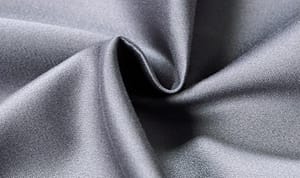
Polyester fabric is a synthetic textile made from petroleum-based products, primarily polyethylene terephthalate (PET). Created through a chemical process known as polymerization, the fibers are strong, durable, and resistant to shrinking, stretching, and wrinkling. These qualities make polyester a go-to material for a wide range of uses, from clothing and home textiles to industrial applications.
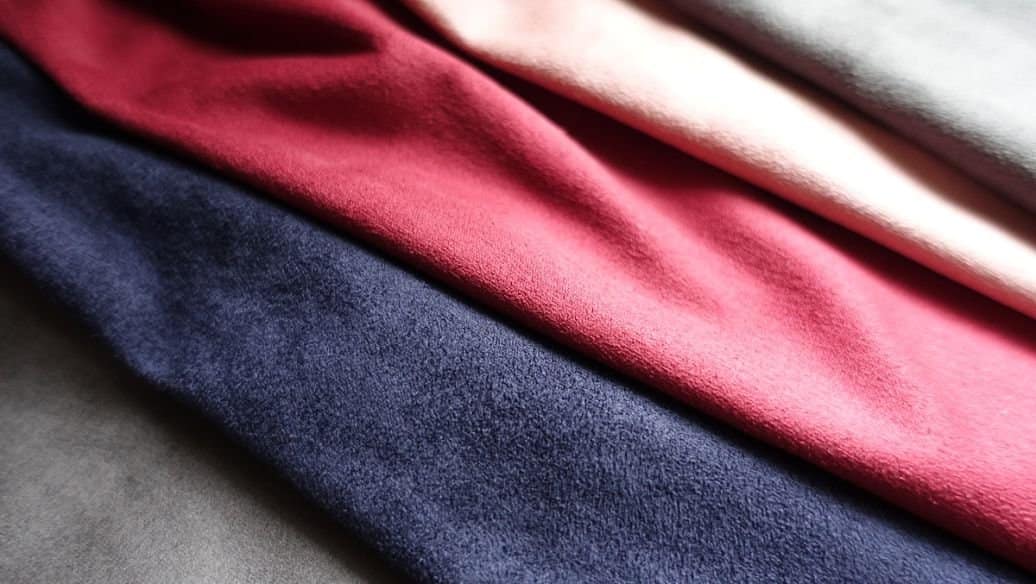
Unlike natural fibers like cotton or wool, polyester is fully man-made, offering versatility in its production. It can be woven or knitted, blended with other fibers, and easily dyed, giving it a broad spectrum of textures and appearances. Thanks to its affordability and functional properties, polyester has revolutionized the global textile industry.
Polyester Fabric Composition and Characteristics
Polyester is made from polyethylene terephthalate (PET), a synthetic polymer derived from petroleum. The fibers are created through polymerization, where chemical compounds are combined and extruded into long, durable strands.
Polyester’s characteristics make it a highly sought-after material in the textile industry. Some of its key features include:
- Durability: Strong and resistant to wear, making it ideal for high-use items like clothing and upholstery.
- Wrinkle and Shrink Resistance: Retains its shape and requires minimal maintenance.
- Quick Drying: Repels moisture, making it ideal for activewear and outdoor gear.
- Lightweight: Despite its strength, polyester remains lightweight and comfortable.
However, polyester’s lack of breathability can cause discomfort in humid conditions, and its petroleum-based origin raises environmental concerns due to plastic pollution.
Polyester Fabric Production Process
The production of polyester fabric begins with the creation of its raw material, polyethylene terephthalate (PET), through a chemical process known as polymerization. This involves combining ethylene glycol and terephthalic acid, both derived from petroleum, under high heat to form long chains of molecules (polymers). These polymers are then melted and extruded into fine strands or fibers.
Below are the key stages in the production process:
| Stage | Description |
|---|---|
| Polymerization | Ethylene glycol and terephthalic acid are heated to form long chains of polyester polymer (PET). |
| Fiber Spinning | Molten polymer is extruded through spinnerets, creating fine, continuous fibers. |
| Filament Drawing | Fibers are stretched to align molecules, increasing strength and flexibility. |
| Weaving/Knitting | Fibers are woven or knitted into fabric, creating different textures (woven for structure, knit for stretch). |
| Dyeing and Finishing | Fabric is dyed and treated for color, texture, or additional properties like water-resistance. |
Types of Polyester Fabrics
Polyester fabrics come in various forms, each offering unique properties that make them suitable for different uses. Here are some common types:
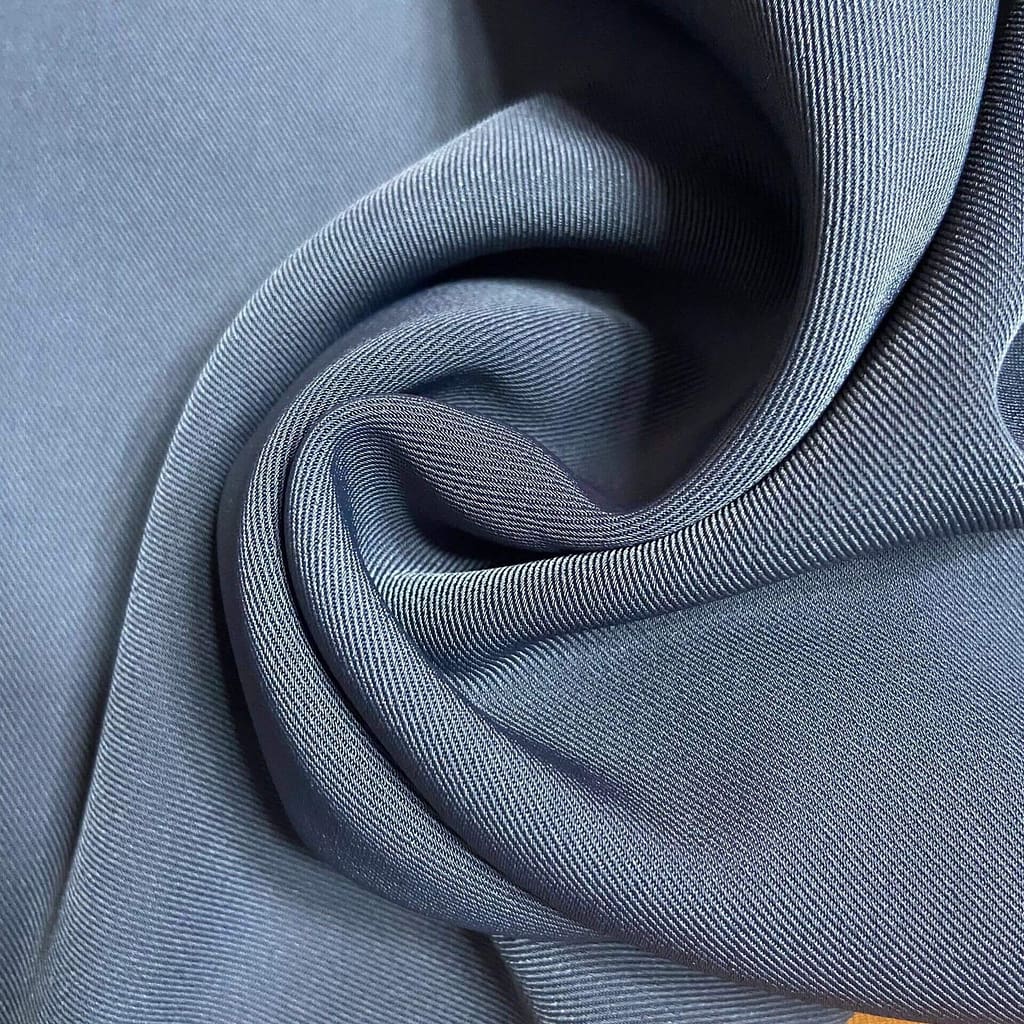
Filament Polyester: This type consists of long, continuous fibers that are smooth and strong. It’s often used for fabrics that require a sleek finish, like satin or taffeta.
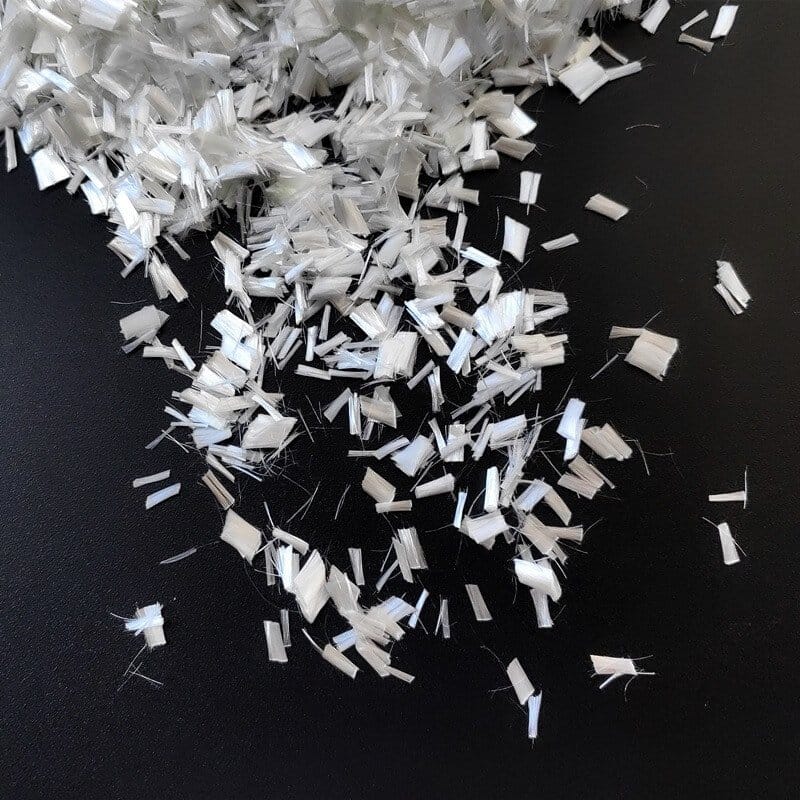
Staple Polyester: These are short fibers spun together to create yarn, similar to natural fibers like cotton. Staple polyester offers a softer feel, often used in everyday clothing and blended fabrics.
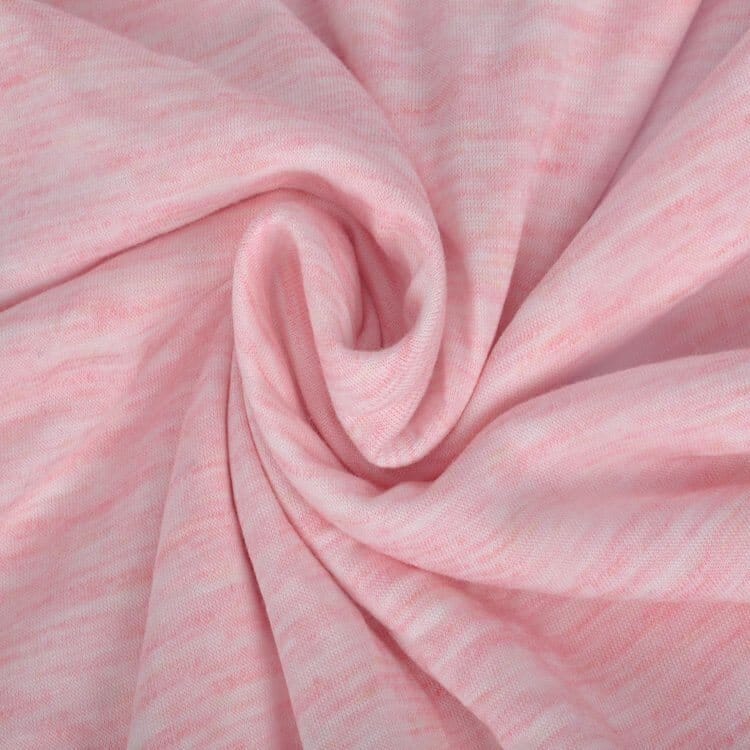
Polyester Blends: Polyester is frequently blended with other fibers such as cotton or spandex. Blends combine the strength and durability of polyester with the softness and breathability of natural fibers, offering a balance of comfort and performance.
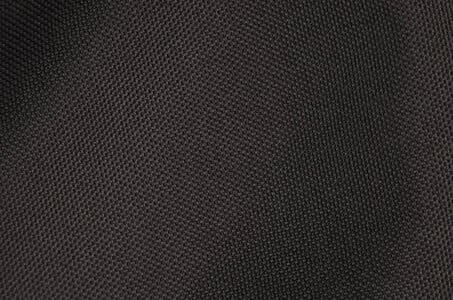
Texturized Polyester: To enhance its comfort and appearance, polyester fibers can be texturized, giving the fabric a softer, more natural feel. This is commonly used in applications like sportswear and casual clothing.
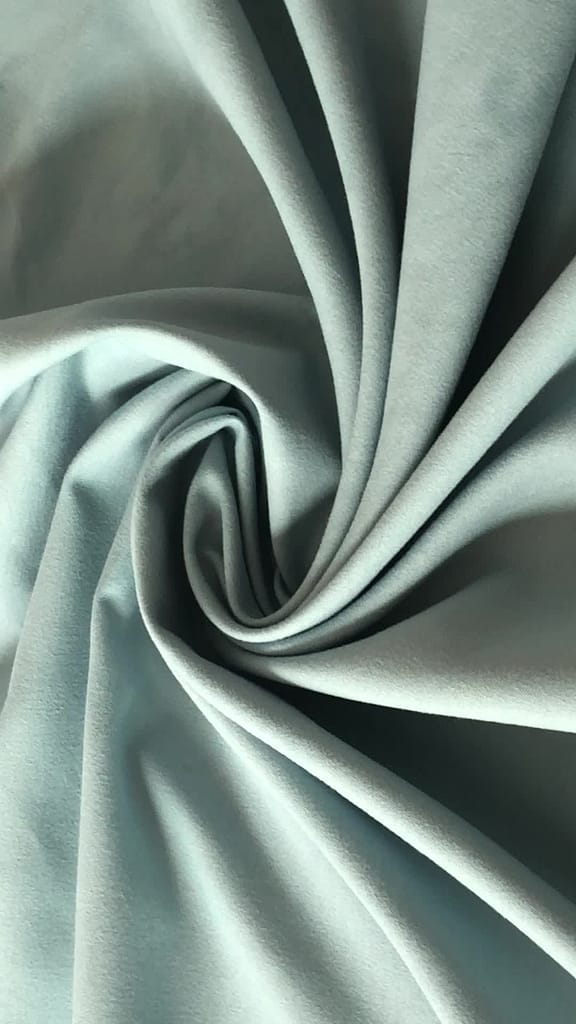
Microfiber Polyester: Made from ultrafine fibers, microfiber polyester is soft, lightweight, and water-resistant, often used in cleaning cloths, bed linens, and high-performance apparel.
These types allow polyester to be adaptable, used in everything from fashion to industrial materials.
Advantages of Polyester Fabrics
- Durable: Strong and resistant to tears, stretching, and shrinking.
- Wrinkle-Free: Retains a smooth look without ironing.
- Low Maintenance: Easy to care for, quick-drying, and colorfast.
- Affordable: Cheaper to produce than natural fibers.
- Versatile: Can be blended with other fibers for different textures.
- Moisture-Wicking: Ideal for sportswear, keeping wearers dry.
Challenges and Environmental Impact
While polyester offers many advantages, it also presents significant environmental concerns:
- Non-Biodegradable: Polyester is made from petroleum-based products, meaning it can take hundreds of years to decompose in landfills.
- Microplastic Pollution: Washing polyester garments releases microplastics into water systems, contributing to ocean pollution and affecting marine life.
- High Energy Consumption: The production of polyester requires substantial energy, adding to its carbon footprint.
- Recycling Issues: Although recycled polyester (rPET) is growing in popularity, only a small percentage of polyester is currently recycled, and the process itself is energy-intensive.
Despite these challenges, efforts are being made to reduce polyester’s environmental impact, such as increasing the use of recycled polyester and developing biodegradable alternatives.
Future Trends in Polyester Fabrics
The future of polyester fabrics is moving toward more sustainable and innovative practices. Some key trends include:
- Recycled Polyester (rPET): Increased use of recycled materials from plastic waste.
- Bio-based Polyester: Development of polyester from renewable sources like plants.
- Smart Fabrics: Incorporating technology for moisture control, temperature regulation, and antibacterial features.
- Sustainable Production: Efforts to reduce energy use and improve recycling processes.
Conclusion
Polyester fabrics are widely valued for their durability, versatility, and cost-effectiveness. From clothing to industrial materials, their low maintenance and resilience make them indispensable. However, concerns over environmental impact, particularly non-biodegradability and microplastics, highlight the need for change.
Innovations like recycled polyester (rPET) and bio-based alternatives are paving the way for a more sustainable future. These advancements aim to reduce polyester’s environmental footprint while retaining its practical benefits.