Origins of Plaid Fabrics
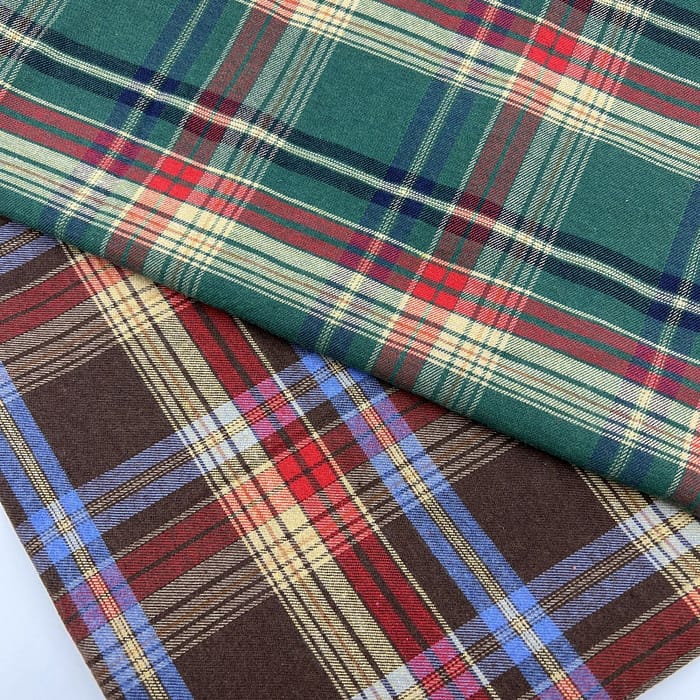
The roots of plaid fabrics can be traced back to ancient Scotland, where the term “tartan” was first used to describe the distinctive checked patterns woven into wool fabric. Each tartan pattern represented different Scottish clans, with specific colors and designs signifying regional and familial identities. The word “plaid” itself is derived from the Gaelic term for a blanket or cloak, which was often made from the same woven fabrics.
Initially, the materials used for tartan were hand-woven from wool, dyed using natural plant-based dyes sourced from the local environment. The designs were not only symbolic but also practical, with the dense wool providing warmth in the harsh Scottish climate. Over time, tartan patterns began to gain popularity outside of Scotland, influencing global fashion and design.
In the 19th century, the Industrial Revolution introduced new weaving techniques, and plaid fabrics began to be produced more widely. By the 20th century, plaid patterns had spread across various countries and cultures, becoming a beloved fashion statement beyond their traditional Scottish roots. The evolution from tartan to plaid as a more general term reflects the fabric’s global appeal, seen in everything from casual shirts to haute couture collections.
What is Plaid Fabric?
Plaid fabric is defined by its pattern of intersecting horizontal and vertical lines, forming a grid of squares or rectangles. While the term “plaid” is often used interchangeably with “tartan” or “checkered,” these terms refer to distinct patterns. Tartan is typically associated with Scottish heritage, featuring a set of specific colors and patterns linked to particular clans. Plaid, in a broader sense, includes any cross-hatched pattern of stripes in various colors.
The primary feature of plaid is its use of contrasting colors and repetitive design, which creates a visually striking effect. Depending on the material—whether it’s wool, cotton, or flannel—the texture of the fabric can vary, but the plaid pattern remains consistent. Common variations of plaid include tartan, gingham, and windowpane, each with unique characteristics but all falling under the umbrella of plaid patterns.
What makes plaid truly versatile is how it can be used across different fabric types, with cotton plaids being common for casual shirts and wool or flannel plaid used for warmer, cozy garments. Regardless of the fabric or pattern variation, plaid continues to be a favorite for its bold yet approachable look.
Types and Characteristics of Plaid Fabrics
Plaid fabrics are known for their distinct intersecting horizontal and vertical lines, creating a grid-like pattern. The design can vary from subtle to bold, depending on the width and density of the lines.
Types of Plaid Patterns
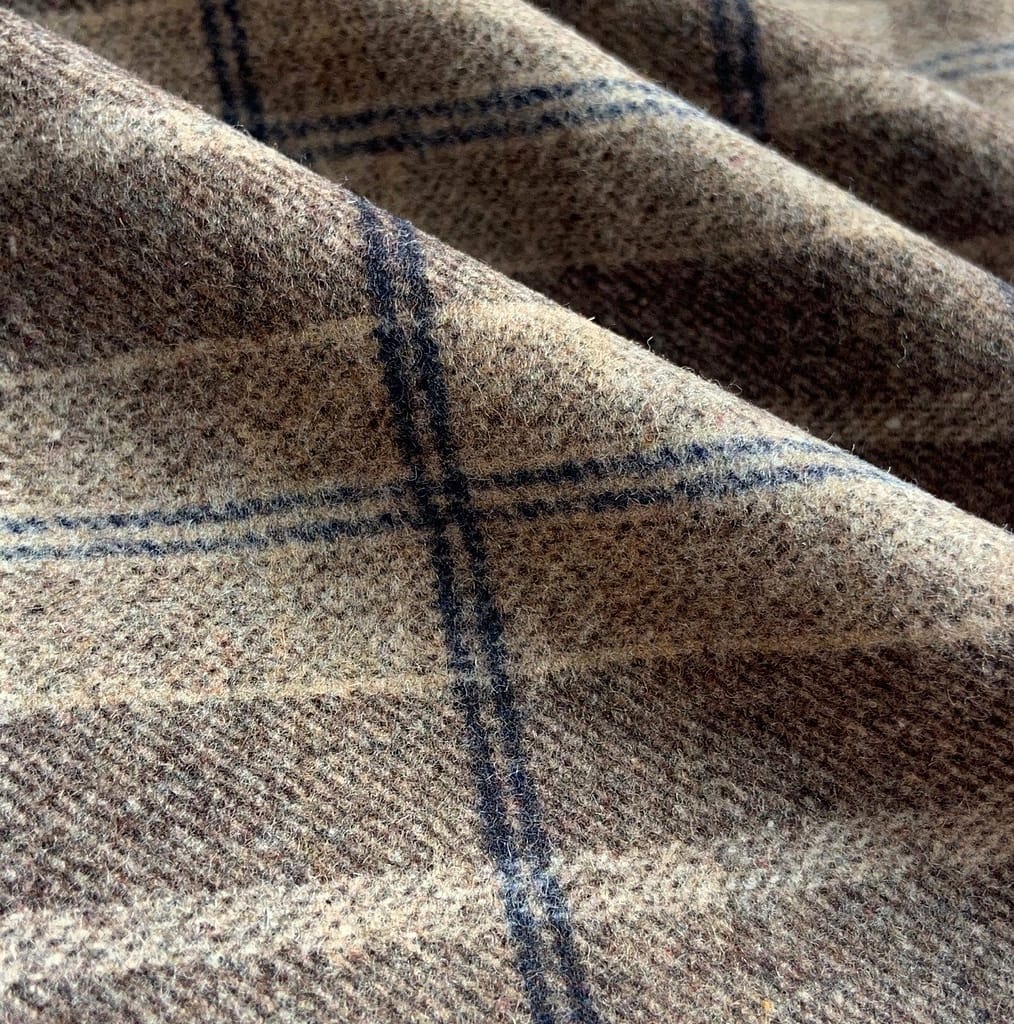
Tartan: The most iconic plaid, linked to Scottish clans with specific color combinations and designs.
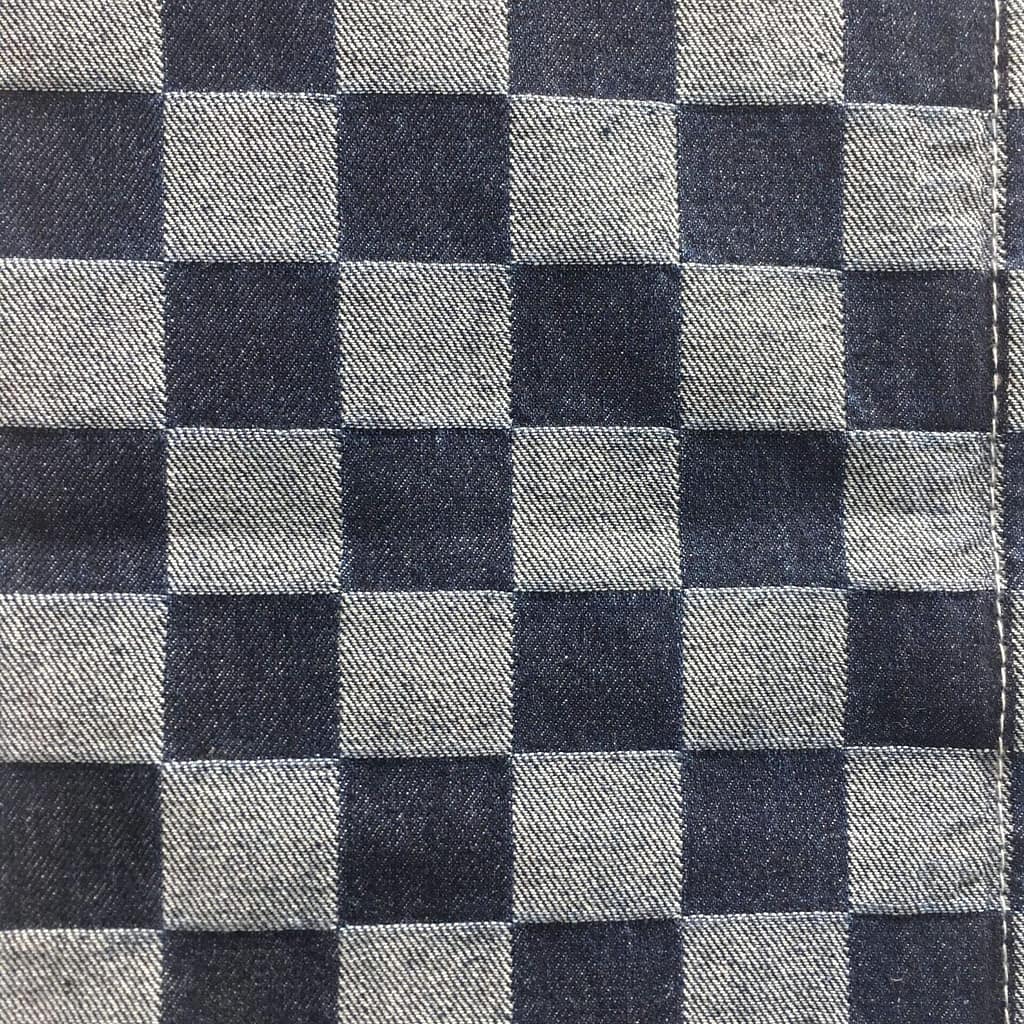
Gingham: A simple checkered pattern, usually in white and a single color, popular for casual wear.
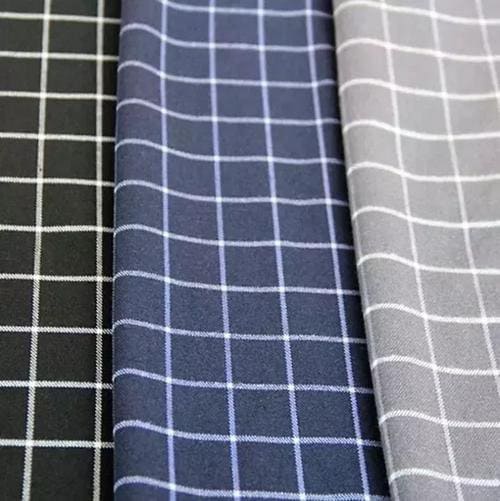
Windowpane: A minimalist plaid with thin, widely spaced lines, often used in formal clothing.
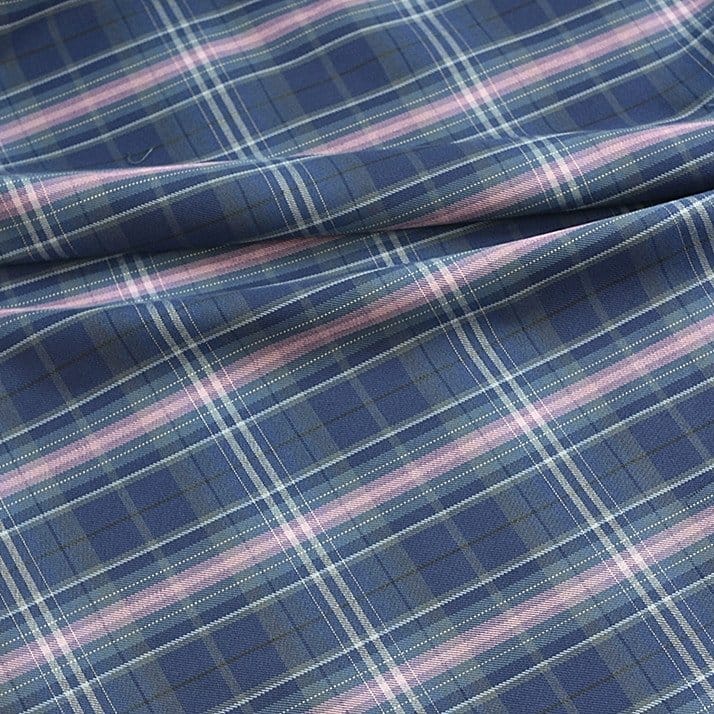
Madras: A vibrant, multi-colored plaid, typically in lightweight cotton, associated with warm-weather fashion.
Materials Used
Plaid can be made from various materials:
- Wool: Ideal for warm, durable pieces like coats and scarves.
- Cotton: Soft and breathable, used for shirts and casual wear.
- Flannel: A brushed fabric, perfect for cozy, cooler-weather clothing.
- Linen: Light and breathable, great for summer plaid styles.
Plaid’s versatility across different fabrics makes it suitable for all seasons and occasions.
Production Process of Plaid Fabrics
The production of plaid fabrics involves several key steps, from yarn dyeing to weaving, to ensure the crisp, clean lines and vibrant colors that define plaid patterns. Below is a breakdown of the essential steps in creating plaid fabric:
| Step | Process Description |
|---|---|
| Yarn Dyeing | The yarns are dyed in the desired colors before weaving. This step allows for precise color control, ensuring that the patterns will have clear, even lines. |
| Pattern Planning | Designers or technicians determine the color scheme and pattern layout. The choice of yarns, their thickness, and the alignment are crucial for the design. |
| Weaving | Plaid patterns are created on a loom through different weaving techniques (e.g., plain weave, twill). The horizontal and vertical threads intersect to form the grid. |
| Pattern Checking | The fabric is checked for consistency. The lines and colors must be aligned properly to ensure the pattern is accurate and uniform. |
| Finishing | After weaving, the fabric is finished by processes such as washing, pressing, and sometimes brushing (especially for flannel). This gives the fabric its final texture and smoothness. |
| Printing (Optional) | In modern production, digital or screen printing can be used for more intricate or non-traditional plaid designs. This step is faster than traditional weaving but may not achieve the same texture. |
The production process of plaid fabrics ensures that each piece maintains the iconic crisscrossed design and vibrant color schemes. Whether woven traditionally or printed digitally, the result is a fabric that combines craftsmanship with enduring style.
Plaid Fabrics in Fashion
Plaid fabrics have become a versatile and enduring element in fashion, suitable for both casual and formal wear.
Casual Wear
Plaid shirts, particularly in flannel and cotton, are wardrobe staples for casual styles. Flannel plaid is perfect for cooler weather, while cotton plaid offers a lighter, breathable option for everyday outfits. These shirts easily pair with jeans or chinos, making plaid ideal for relaxed looks.
Formal Wear
Plaid also finds its place in formal fashion, especially in patterns like windowpane plaid. This minimalist design is often used in suits, blazers, and trousers, offering a modern yet refined aesthetic that works well in business or upscale settings.
Iconic Fashion Moments
Plaid has had a lasting presence in fashion, from the 90s grunge era to high-fashion runways. Designers like Vivienne Westwood helped elevate plaid, proving its ability to remain relevant across different trends and style movements.
Plaid’s adaptability ensures it remains a timeless and stylish choice for various fashion occasions.
Plaid Fabrics in Interiors
Plaid fabrics bring warmth and character to interior design, adding texture and visual interest to any space.
Upholstery
Plaid is a popular choice for furniture, especially sofas and chairs. It can make a bold statement or offer a more subtle, traditional look, depending on the pattern and color. The variety of plaid options means it can suit both modern and classic interior styles.
Curtains and Bedding
Plaid fabrics work beautifully in window treatments and bedding. Plaid bedspreads, throw pillows, and curtains create a cozy, inviting atmosphere, adding charm to any room. Their versatility allows them to complement different design themes.
Accents and Accessories
Plaid is also used for home accents like throw blankets, cushions, and rugs. These smaller pieces provide a touch of pattern and texture without overpowering the space, adding a cozy, welcoming feel.
Plaid fabrics’ adaptability in interior design ensures they remain a timeless choice for enhancing any room.
Care of Plaid Fabrics
Proper care ensures that plaid fabrics maintain their look and durability over time. Here are a few general tips for different fabric types:
Washing and Drying
- Cotton Plaid: Machine wash in cold water and tumble dry on low to prevent shrinking.
- Flannel Plaid: Wash in cold water, tumble dry on low, or air dry to maintain softness.
- Wool Plaid: Hand wash or dry clean to avoid shrinking.
- Synthetic Plaid: Machine wash in cold water, tumble dry on low for easy care.
Ironing and Storage
- Iron on low heat, especially for delicate fabrics like wool.
- Store plaid fabrics in a cool, dry place. Hang clothing to prevent creases and avoid direct sunlight on textiles to prevent fading.
Preventing Wear
- Wash less frequently to prevent fabric wear and fading.
- Turn garments inside out before washing and rotate high-use items like cushions to prolong their lifespan.
By following these simple steps, you can keep plaid fabrics looking fresh and vibrant for longer.
Conclusion
Plaid fabrics are a timeless and versatile choice that continues to thrive in both fashion and interiors. From its classic roots in tartan to modern interpretations in various materials, plaid offers endless possibilities for style and design. Whether it’s for casual wear, formal attire, or home décor, the distinct pattern adds character, warmth, and a sense of tradition.
With proper care, plaid fabrics can maintain their vibrant appearance and durability for years, ensuring they remain a staple in wardrobes and homes alike. Its enduring appeal speaks to its ability to adapt across cultures and trends, making it a pattern that truly stands the test of time.