

Introduction
Pima cotton is often regarded as one of the finest and most luxurious fabrics available today. Known for its extraordinary softness, durability, and sleek finish, Pima cotton is quickly becoming a preferred material for high-end fashion designers, retailers, and consumers alike. This premium cotton variety is grown primarily in the United States, Peru, and Australia, where the climate and soil conditions contribute to its exceptional quality.
In recent years, Pima cotton has begun making its mark in the realm of everyday apparel as well. Consumers, who once reserved luxury fabrics for special occasions, are now seeking comfort and sophistication in their daily wardrobe. Pima cotton’s ability to combine the best of both worlds—luxury and practicality—has led to its rise in popularity among both fashion-forward brands and those focused on sustainable, long-lasting clothing.
What is Pima Cotton?
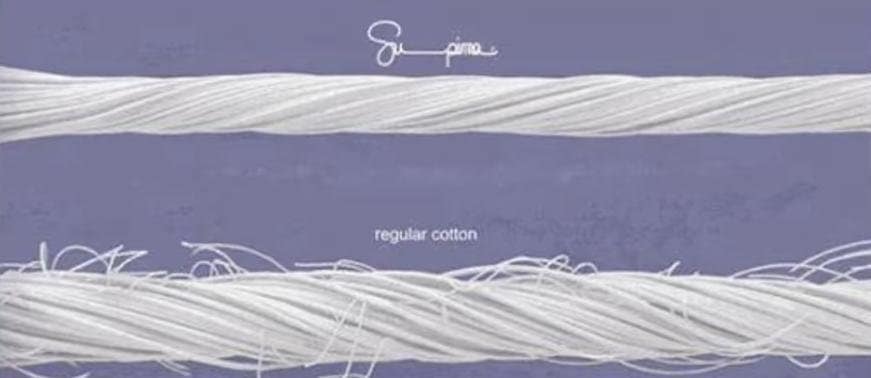
Pima cotton is a variety of extra-long staple (ELS) cotton, which is known for its long, silky fibers that make it a superior choice for fabric production. Unlike regular cotton, which has shorter fibers, Pima cotton’s extended fiber length allows for smoother, finer, and stronger yarns. These yarns are spun into fabrics that have a distinct silky texture and a soft, luxurious feel against the skin.
The origins of Pima cotton trace back to the early 1900s when it was first cultivated in the southwestern United States, particularly in Arizona, California, and New Mexico. The name “Pima” comes from the Pima Native American tribe, who played a role in cultivating the crop. However, it wasn’t until the 1950s that Pima cotton gained more recognition for its exceptional quality, especially when compared to other cotton varieties.
The primary regions where Pima cotton is now grown include the United States, Peru, and Australia. The climates in these areas—characterized by long growing seasons, ample sunshine, and well-irrigated land—create the ideal conditions for cultivating the highest-quality cotton. This climate gives Pima cotton its defining characteristics: the long, lustrous fibers and a soft, smooth texture that feels far more luxurious than regular cotton.
While the majority of Pima cotton is still grown in these regions, it represents only a small percentage of the world’s total cotton production. This rarity is part of what makes Pima cotton so desirable—it’s considered a high-end fabric due to its limited availability and the meticulous care required for its cultivation.
The Benefits of Pima Cotton in Garment Manufacturing
Softness
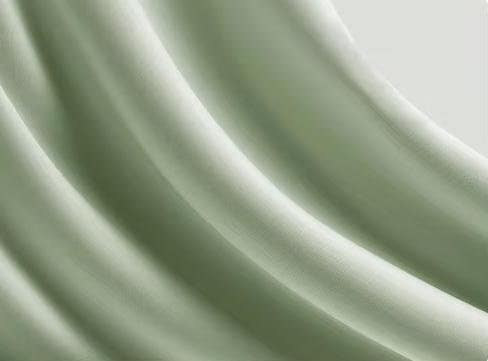
One of the most significant selling points of Pima cotton is its exceptional softness. The long, fine fibers of Pima cotton result in a smooth, silky fabric that feels gentle against the skin. This softness is what makes it especially popular in apparel like shirts, dresses, and loungewear—items that benefit from a high level of comfort.
For manufacturers, this softness also means that Pima cotton can add a sense of luxury to even the most basic of garments. By incorporating Pima cotton into collections, brands can offer consumers the feeling of luxury in their everyday wear, whether it’s a simple tee or a cozy sweater.
Durability
Beyond its soft texture, Pima cotton is incredibly durable. Thanks to the length of its fibers, Pima cotton fabric is stronger and more resilient than regular cotton. This makes it less prone to pilling, which is a common issue with lower-quality cotton fabrics. Garments made from Pima cotton can withstand more washes and wear, making them a great investment for consumers who want long-lasting comfort.
From a manufacturing standpoint, this durability means that products made from Pima cotton can maintain their appearance and texture over time, which can reduce returns and increase customer satisfaction. Additionally, the fabric’s durability makes it ideal for creating high-end, premium products that are built to last.
Breathability
Pima cotton is highly breathable, which makes it a versatile choice for a variety of garments. It allows air to circulate freely, helping to regulate body temperature and wick away moisture, keeping the wearer comfortable throughout the day. This makes it particularly appealing for summer clothing or activewear, where breathability is key.
For manufacturers, Pima cotton’s breathable nature adds another layer of value to their products. Garments made from Pima cotton can be marketed as breathable and moisture-wicking, making them a popular choice for customers looking for comfort and functionality in their daily wear.
Sustainability
In an era where consumers are increasingly focused on sustainability, Pima cotton offers an environmentally friendly option. Unlike conventional cotton, which often requires large amounts of water and pesticides, Pima cotton is grown using more sustainable practices. The areas where it is cultivated generally have more efficient irrigation systems, and the cotton plants are naturally more resistant to pests, reducing the need for chemical treatments.
Pima Cotton in Everyday Comfort
Pima cotton isn’t just reserved for high-end fashion—it has become a staple in everyday wear, elevating comfort without compromising on luxury. Its unique combination of softness, durability, and breathability makes it the perfect fabric for a wide range of casual clothing items.
Versatility in Apparel
Pima cotton is incredibly versatile, making it suitable for various types of garments. Whether it’s t-shirts, dresses, activewear, or loungewear, Pima cotton adds a touch of sophistication and comfort to every piece. Because the fabric is both lightweight and breathable, it’s perfect for creating year-round wardrobe staples that provide all-day comfort.
For example, Pima cotton t-shirts are a popular item because they combine the softness of luxury fabric with the ease and practicality of everyday clothing. Similarly, Pima cotton dresses and blouses offer a polished yet comfortable look that’s perfect for both casual outings and more formal settings. The fabric can also be blended with other fibers to create different textures and finishes, allowing manufacturers to explore a wide range of design possibilities.
Loungewear and Athleisure
In recent years, there has been a noticeable shift towards comfort-driven fashion, especially in the growing loungewear and athleisure markets. Consumers are prioritizing comfort and functionality, which has led to a surge in demand for fabrics like Pima cotton, which seamlessly blend luxury with practicality.
Pima cotton’s softness and breathability make it an ideal choice for loungewear items like sweatpants, hoodies, and sleepwear. When used in these garments, it creates a cozy, yet stylish look, perfect for both relaxing at home or stepping out for errands. For athleisure, the fabric’s moisture-wicking and temperature-regulating properties help keep the wearer comfortable during low-impact workouts or outdoor activities.

Everyday Luxury for the Consumer
What truly sets Pima cotton apart in the realm of everyday wear is its ability to bring luxury to the most basic pieces of clothing. In the past, luxury fabrics were often reserved for high-end eveningwear or special occasions. Today, Pima cotton has become a way for consumers to indulge in luxury on a daily basis, without the need for extravagant garments.
For manufacturers, this presents a unique opportunity to tap into a growing market of consumers who want to experience luxury in their everyday wardrobe. By incorporating Pima cotton into items like casual shirts, basic tees, and even undergarments, brands can offer their customers the luxury they desire, without the need for high-maintenance care that often comes with other luxury fabrics like silk or cashmere.
The Market Demand for Premium Fabrics
Rising Consumer Expectations
Today’s consumers are more informed than ever before. With an increasing focus on sustainability, ethical production, and long-lasting quality, consumers are actively seeking out products that align with their values. This shift has made luxury fabrics like Pima cotton not just a preference, but an expectation for those who want to make thoughtful purchasing decisions.
In addition to the growing interest in sustainability, there is a marked shift towards a preference for comfort. As people spend more time at home and embrace more casual lifestyles, the demand for fabrics that combine luxury and everyday comfort has surged. Pima cotton, with its softness, durability, and breathability, fits this demand perfectly. Brands that incorporate Pima cotton into their collections are seen as offering something more substantial—products that are not only stylish but also practical and built to last.
The Premium Fabric Trend
The broader trend towards premium fabrics isn’t just limited to Pima cotton; it’s part of a larger movement towards high-quality, sustainably produced textiles. Consumers are willing to invest more in clothing that promises durability, comfort, and ethical production. As a result, fabrics like Pima cotton, organic cotton, hemp blends, and other sustainable materials are becoming increasingly popular among fashion-forward brands.
For manufacturers, this presents an opportunity to tap into the growing market for luxury apparel that meets consumer demand for both style and sustainability. By offering Pima cotton garments, brands can position themselves as leaders in this market, appealing to conscious consumers who are looking for products that will stand the test of time.
Premium Fabrics in the Mass Market
While Pima cotton has traditionally been associated with high-end luxury apparel, the fabric is increasingly making its way into more accessible price points. As the demand for sustainable and quality fabrics grows, brands are starting to incorporate Pima cotton into more affordable lines. This democratization of luxury is allowing consumers at various price points to experience the softness and durability of Pima cotton without breaking the bank.
Manufacturers can benefit from this trend by exploring ways to incorporate Pima cotton into a wider range of products, from mid-tier collections to more budget-friendly options. By doing so, they can reach a broader consumer base while still maintaining a premium product offering. The versatility of Pima cotton allows it to be used in everything from affordable basics to high-end designer pieces, making it an attractive option for a wide range of brands.
Conclusion
Pima cotton represents the perfect blend of luxury and practicality, offering unmatched softness, durability, and breathability that elevate everyday comfort in a way few other fabrics can. As consumers increasingly seek out high-quality, sustainable, and comfortable clothing, Pima cotton stands at the forefront of this demand, providing manufacturers and brands with an opportunity to create premium products that resonate with today’s conscious consumer.
From its origins in the arid soils of the American Southwest to its growing presence in global markets, Pima cotton has proven itself as a fabric that can withstand the test of time—both in terms of durability and style. Its appeal goes beyond luxury, offering versatility for a wide range of garments, from casual wear to high-end collections. By incorporating Pima cotton into their product lines, manufacturers can create clothing that not only meets the demands of the modern market but also offers long-lasting comfort and value.
However, as with any premium material, working with Pima cotton comes with its own set of challenges. From sourcing and production costs to sustainability concerns and the risk of counterfeits, manufacturers must be prepared to navigate these complexities to ensure they’re offering the highest quality products to their customers. By building strong relationships with trusted suppliers, focusing on sustainable practices, and emphasizing the unique qualities of Pima cotton in their marketing, brands can set themselves apart in an increasingly competitive marketplace.