Introduction
Camel wool fabric is a premium, eco-friendly material that has been gaining attention in the fashion world for its unique combination of warmth and lightweight style. Derived from the undercoat of camels, this luxurious fiber offers an exceptional balance between insulation and comfort, making it a sought-after choice for high-end fashion brands and designers looking to combine functionality with sophistication.
What sets camel wool apart from other natural fibers, like cashmere or merino, is its ability to retain heat while being remarkably light and breathable. This makes it an ideal fabric for both winter and transitional wear. As sustainability continues to play a central role in the fashion industry, camel wool also stands out for being a renewable resource that is sourced with minimal environmental impact, adding to its appeal among eco-conscious consumers.
The Properties of Camel Wool
Camel wool is renowned for its exceptional properties, which make it stand out in the world of natural fibers. Understanding these key characteristics is essential for any designer or brand considering incorporating camel wool into their collections.
Warmth without Weight
One of the most striking features of camel wool is its ability to retain heat while being incredibly lightweight. Unlike traditional wool, which can often feel heavy and bulky, camel wool traps air between its fibers, providing excellent insulation without adding extra weight. This makes it an ideal material for both cold-weather garments and versatile layering pieces. Whether it’s a luxurious coat or a finely knit sweater, camel wool offers warmth that feels almost weightless, ensuring both comfort and style.
Moisture-Wicking and Breathability
Camel wool also excels in its moisture-wicking properties. It naturally absorbs moisture away from the skin, keeping the wearer dry and comfortable even in fluctuating temperatures. Additionally, camel wool is highly breathable, which allows air to circulate through the fibers, preventing overheating during warmer conditions. This makes it a truly versatile fabric that can be worn year-round, providing the perfect combination of warmth in winter and coolness in the summer.
Softness and Comfort
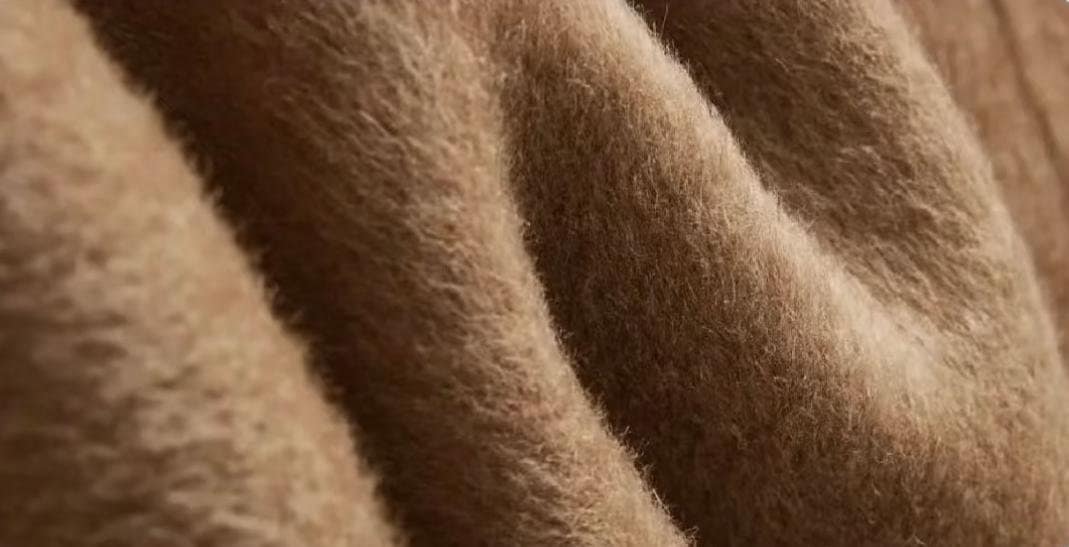
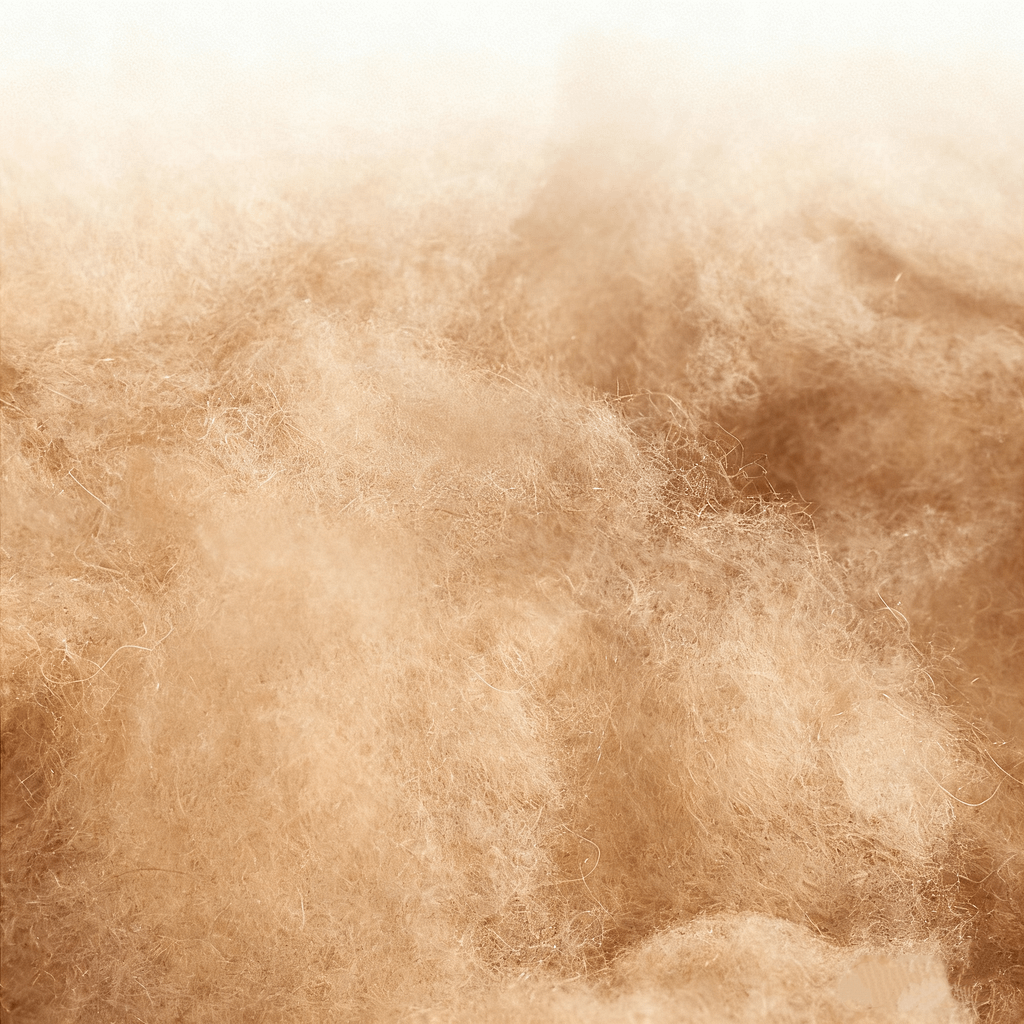
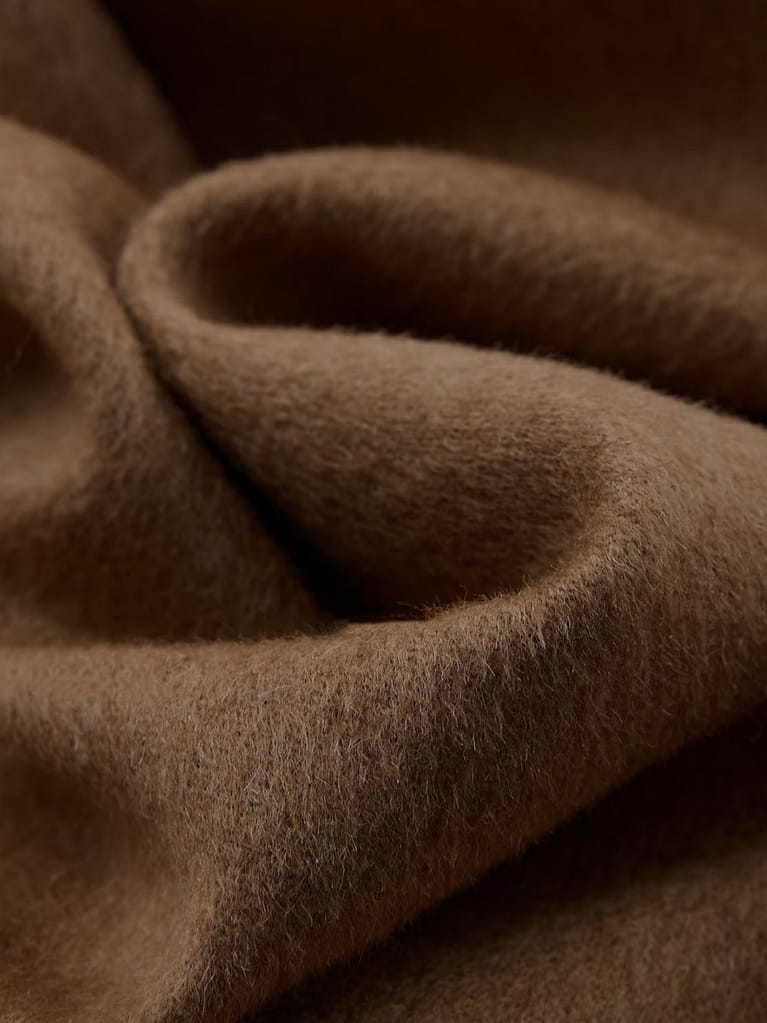
When it comes to feel, camel wool is often compared to cashmere due to its luxurious softness. Its fine, downy undercoat is incredibly soft to the touch, providing a level of comfort that is unmatched by many other types of wool. This softness makes it an excellent choice for close-to-skin garments like scarves, sweaters, and loungewear, where comfort is a top priority.
Durability
Despite its soft texture, camel wool is surprisingly durable. The fibers are strong and resistant to wear, making camel wool garments long-lasting investments. Its resilience against fraying and pilling makes it a great option for everyday wear, especially in outerwear and pieces that require a bit more durability. In fact, camel wool can maintain its shape and softness even after multiple uses, unlike other fibers that may lose their texture or structural integrity over time.
The Benefits of Using Camel Wool in Fashion
Camel wool offers numerous benefits that make it an ideal choice for fashion brands aiming for luxury, sustainability, and versatility.
Sustainability
Camel wool is an eco-friendly material that is harvested sustainably. Camels naturally shed their wool, which is collected by hand, reducing the environmental impact. Unlike synthetic fibers, camel wool is biodegradable, offering a more sustainable alternative in an increasingly eco-conscious fashion industry.
All-Season Wearability
Camel wool’s ability to regulate temperature makes it suitable for year-round wear. It provides warmth without bulk in colder months and remains breathable and moisture-wicking in warmer conditions, ensuring comfort throughout the seasons.
Versatility in Design
From outerwear to knitwear, camel wool can be woven or knitted into a variety of styles and textures. Its natural color range, from soft beige to deep brown, adds to its appeal, and the fabric takes dye well, allowing designers to experiment with colors while maintaining its luxurious feel.
Luxury Appeal
As a rare and high-quality material, camel wool is synonymous with luxury. Its softness, warmth, and unique qualities make it a favored choice for premium collections, appealing to consumers who prioritize exclusivity and craftsmanship.

Applications of Camel Wool in Fashion
Camel wool’s unique properties make it incredibly versatile, suitable for a wide range of fashion applications. Whether used in outerwear, knitwear, or accessories, camel wool brings both functionality and luxury to each garment.
Outerwear
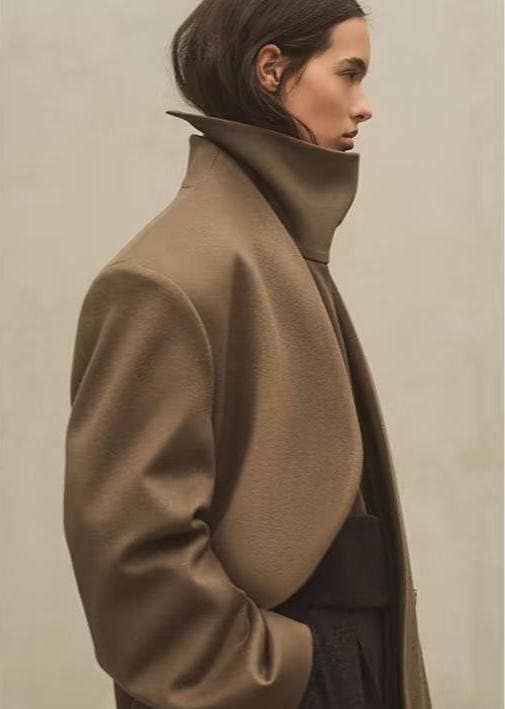
Camel wool is particularly prized for its use in outerwear. The fabric’s lightweight warmth makes it ideal for coats, jackets, and wraps, offering insulation without the bulk. Designers often turn to camel wool for elegant trench coats, tailored jackets, and luxurious capes that keep wearers warm during cold weather without compromising on style.
Knitwear
The softness and breathability of camel wool make it perfect for knitwear. Sweaters, cardigans, and scarves crafted from camel wool feel exceptionally comfortable against the skin while providing warmth without overheating. Its smooth texture also allows for a fine, sleek finish in knitted garments, enhancing their overall luxury appeal.

Accessories
Camel wool is also used in a variety of accessories, including scarves, shawls, gloves, and hats. These items take advantage of the fabric’s natural warmth and softness, offering both functional benefits and stylish touches to any wardrobe. Whether it’s a lightweight wrap for evening wear or a cozy scarf for winter, camel wool accessories elevate any outfit with their refined feel.
High-End Collections
Because camel wool is considered a luxury fabric, it is commonly found in high-end collections. Designers incorporate camel wool into their creations to offer their clientele superior comfort and sophisticated design. Whether used in simple, classic pieces or intricate, avant-garde designs, camel wool adds an exclusive, high-fashion element to any collection.
Why Brands Should Consider Camel Wool
In today’s competitive fashion landscape, camel wool presents a unique opportunity for brands to differentiate themselves by offering high-quality, sustainable, and versatile garments. Here’s why brands should seriously consider integrating camel wool into their collections.
Market Demand
As sustainability continues to gain importance in the fashion industry, consumers are increasingly seeking eco-friendly alternatives. Camel wool, being both renewable and biodegradable, positions itself as a fabric that aligns with these consumer preferences. Additionally, its luxurious nature appeals to the growing market for premium, high-quality products, making it a material with both environmental and commercial value.
Fashion Trends
There is a clear shift toward functional luxury in fashion—designs that not only look good but also offer practical benefits, like warmth, comfort, and breathability. Camel wool perfectly embodies this trend. Its lightweight insulation, coupled with its soft feel, makes it ideal for modern, versatile designs that can transition between seasons, meeting both practical and aesthetic needs.
Brand Positioning
Incorporating camel wool into your collection can elevate your brand’s position in the marketplace. The association with luxury, quality, and sustainability can help reinforce your brand’s image as a sophisticated, responsible choice for consumers. As buyers continue to prioritize both style and sustainability, offering garments made from camel wool could strengthen brand loyalty and attract a wider, more discerning audience.
Challenges and Considerations
While camel wool has many advantages, it’s essential for brands to consider some of the challenges associated with it. The cost of sourcing high-quality camel wool can be higher than other fabrics due to the labor-intensive process of harvesting and the limited availability of the material. Additionally, the unique properties of camel wool may require specialized manufacturing techniques to achieve the desired finish and fit, which could add to production time and costs.

How to Incorporate Camel Wool into Your Collection
Camel wool is a versatile and luxurious fabric that can enhance any collection, but it’s important to know how to use it effectively to maximize its potential. Here are some practical tips for incorporating camel wool into your designs.
Integrating Camel Wool into New Designs
Start by selecting the right weight and texture of camel wool for the garments you plan to create. For outerwear, heavier, denser weaves provide the warmth and durability required for coats and jackets. For knitwear or accessories, lighter, finer camel wool will maintain its softness and drape beautifully. The natural color of camel wool is a great foundation for both minimalist designs and more vibrant, seasonal collections.
Combining with Other Fabrics
Camel wool pairs beautifully with other luxurious fibers like cashmere, silk, or alpaca. Consider blending camel wool with these materials for added softness, sheen, or durability, which can also help reduce costs in the production process. Blended fabrics can create a unique feel and improve garment performance, offering your customers the best of both worlds: warmth, comfort, and style.
Marketing Camel Wool-Based Products
When marketing garments made from camel wool, focus on its unique selling points: its warmth without weight, sustainable sourcing, and luxurious feel. Position these items as premium products, ideal for eco-conscious consumers who don’t want to compromise on quality or style. Highlight the versatility of camel wool—suitable for all-season wear—and the fact that it’s a natural, biodegradable fabric that appeals to today’s environmentally aware buyer.
Consumer Education
Educating your customers about the benefits of camel wool can also help increase its appeal. Emphasize the craftsmanship involved in sourcing and processing camel wool, the eco-friendly nature of the fabric, and the luxurious comfort it provides. Offering care instructions to preserve the fabric’s quality will also reassure consumers that they’re making an investment in a high-quality, durable product.
Conclusion
Camel wool is truly the perfect balance of warmth and lightweight style, offering a range of benefits that make it an exceptional fabric for modern fashion. From its eco-friendly, sustainable sourcing to its luxurious softness and versatility, camel wool meets the needs of both designers and consumers seeking high-quality, functional, and stylish garments.
By incorporating camel wool into your collections, you can elevate your brand’s appeal, offering products that are not only beautiful and comfortable but also aligned with current trends in sustainability and luxury. Whether you’re designing outerwear, knitwear, or accessories, camel wool provides endless possibilities for innovation, all while adding an element of exclusivity to your brand.
As demand for sustainable and high-performance fabrics continues to grow, camel wool represents an exciting opportunity for fashion brands to create garments that stand the test of time—both in terms of style and durability. So, whether you’re creating timeless outerwear or stylish year-round pieces, camel wool could be the fabric your brand needs to stay ahead of the curve.