
Introduction
In the competitive world of outdoor wear, fabric selection plays a crucial role in determining both the performance and marketability of the final product. For manufacturers and brands, choosing the right material isn’t just about comfort or aesthetics; it’s about creating products that meet the growing demands of consumers while also maintaining cost-effectiveness, sustainability, and brand identity.
Outdoor wear—whether it’s for hiking, skiing, camping, or general outdoor activities—requires fabrics that can withstand the elements, provide comfort, and support high-performance activities. As the outdoor apparel industry continues to grow, there is increasing pressure to meet both functional and ethical expectations.
Among the most popular fabrics used for outdoor wear, Merino wool and synthetic blends stand out as the top choices for manufacturers. Both fabrics offer distinct advantages, but understanding their differences, production processes, and market trends is vital for making an informed decision.
What is Merino Wool?
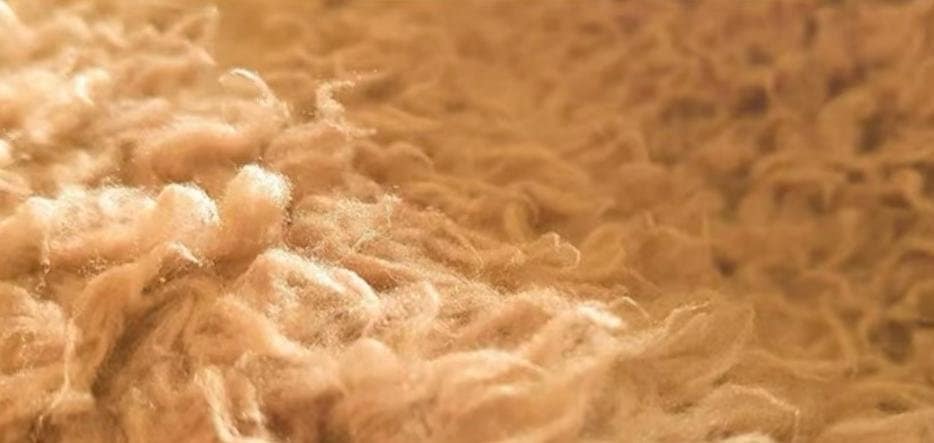
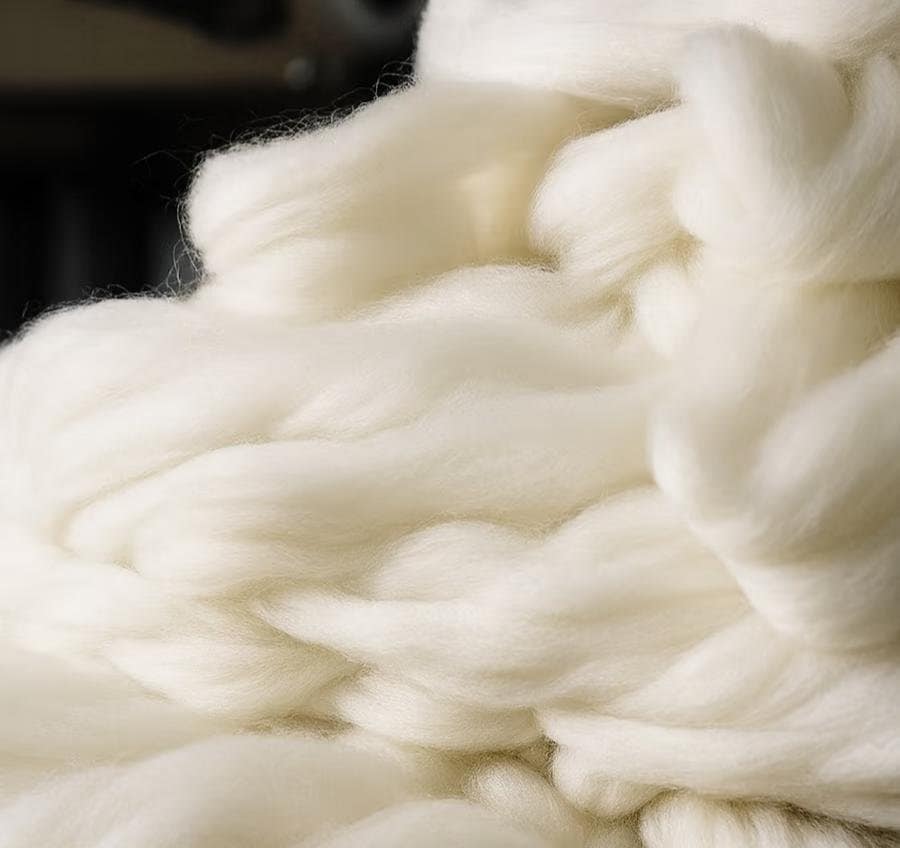
Merino wool is a premium natural fiber known for its exceptional softness, breathability, and moisture-wicking properties. Sourced from Merino sheep, primarily found in Australia and New Zealand, Merino wool has become a top choice for outdoor apparel due to its ability to regulate temperature, resist odor, and provide superior comfort in both cold and warm conditions.
For manufacturers, Merino wool offers several advantages:
- Sustainability: Merino wool is a renewable resource, with sheep being shorn annually. Additionally, it is biodegradable, making it an environmentally friendly option compared to synthetic fibers.
- Performance: Merino wool’s natural ability to wick moisture away from the skin while maintaining warmth in cold temperatures and cooling in warmer conditions makes it ideal for outdoor wear. It also regulates body temperature, preventing overheating during strenuous activities.
- Durability and Odor Resistance: Unlike synthetic materials, Merino wool naturally resists odors, which means garments can be worn longer between washes. This property adds value for outdoor consumers who require performance over extended periods in the field.
From a production perspective, sourcing Merino wool involves working with trusted suppliers who ensure consistency in fiber quality. While wool prices can be more volatile due to environmental factors (such as droughts affecting wool production), the premium nature of Merino wool allows for higher retail pricing, which can be attractive for brands positioning themselves in the high-end outdoor wear market.
What are Synthetic Blends?
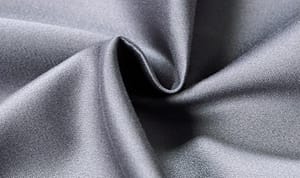
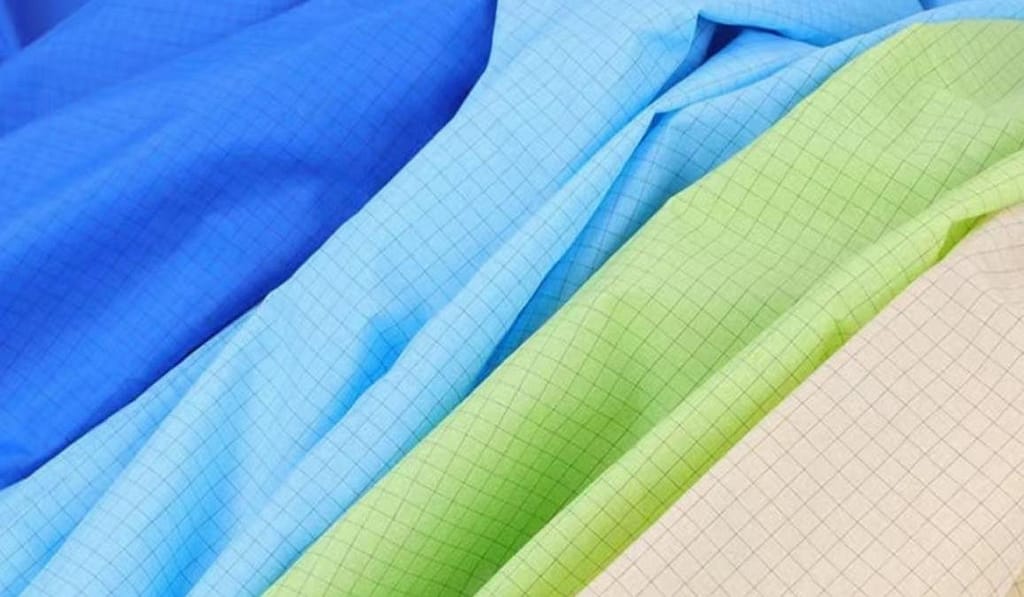
Synthetic blends are man-made fabrics typically derived from petroleum-based products like polyester, nylon, and spandex. These fibers are often combined in various proportions to create a fabric that offers specific performance characteristics suited to high-demand outdoor activities.
Common synthetic blends used in outdoor apparel include:
- Polyester-Spandex: Known for its stretch and durability, this blend is popular in activewear and outdoor garments that require flexibility and comfort.
- Nylon-Elastane: Provides strength, elasticity, and resistance to wear and tear, making it ideal for items like hiking pants and jackets.
- Polypropylene blends: Often used for moisture-wicking base layers due to their ability to quickly pull sweat away from the skin.
For manufacturers, synthetic blends offer several benefits:
- Cost-Effectiveness: Synthetic fabrics are generally less expensive to produce than natural fibers like Merino wool. They also offer more consistency in terms of quality and availability, making them a reliable choice for large-scale production.
- Performance and Versatility: Synthetic fibers excel in moisture-wicking, quick-drying, and stretchability, making them ideal for high-intensity outdoor activities. They are also lightweight, which can be a key selling point for consumers looking for comfortable, flexible apparel.
- Durability and Maintenance: Synthetic blends are highly resistant to abrasion, shrinking, and fading, offering a longer lifespan in harsh outdoor environments. They are also easy to care for, requiring less maintenance compared to Merino wool.
However, it’s worth noting that while synthetic fibers are durable, they can contribute to environmental concerns. The manufacturing process involves the use of chemicals, and synthetics are not biodegradable, which has led to increasing pressure on companies to consider more sustainable production methods and recycling solutions.
Merino Wool vs. Synthetic Blends: Key Comparison for Manufacturers
When choosing between Merino wool and synthetic blends for outdoor wear, manufacturers must consider key factors that influence both performance and marketability. Below, we break down these critical aspects to help businesses make the best fabric choice for their outdoor collections:
Breathability and Moisture-Wicking
- Merino Wool: Merino wool excels in breathability and moisture-wicking capabilities. It absorbs moisture from the skin and then releases it into the air, which helps maintain body temperature and comfort during both high-intensity activities and rest periods. The fiber structure allows Merino wool to maintain insulation even when wet, making it ideal for outdoor activities in fluctuating weather conditions.
- Synthetic Blends: Synthetic fabrics, particularly polyester and nylon, are designed to wick moisture away from the body quickly. These fabrics are excellent for situations where rapid moisture evaporation is required, such as in extreme physical activity. However, unlike Merino wool, synthetics can retain moisture in the fibers if not properly managed, which can lead to discomfort in cold or wet conditions.

Durability and Wear Resistance
- Merino Wool: While Merino wool is strong, it is generally more delicate than synthetic fibers and can be prone to damage from abrasion. It may require careful handling during manufacturing to prevent fiber breakage or pilling, which could impact the garment’s lifespan.
- Synthetic Blends: Synthetics are known for their strength and resistance to wear. Fabrics like nylon and polyester are highly durable, offering excellent abrasion resistance and long-term performance. They are ideal for products exposed to rough outdoor environments, such as backpacks, outerwear, and technical gear.
Temperature Regulation
- Merino Wool: One of the standout features of Merino wool is its ability to regulate body temperature. It adapts to both hot and cold environments, providing warmth in winter and breathability in warmer conditions. This versatility makes it a great option for layering and year-round wear.
- Synthetic Blends: Synthetics generally excel in warmer conditions, as they are designed to wick moisture away and allow for greater airflow. However, they do not offer the same natural temperature regulation as Merino wool. Synthetic materials can sometimes trap heat, making them less suitable for extreme cold without additional insulation.
Odor Control
- Merino Wool: A natural benefit of Merino wool is its odor-resistant properties. The fiber naturally inhibits the growth of odor-causing bacteria, which means Merino garments can be worn for extended periods without retaining unpleasant smells. This is especially important for outdoor enthusiasts who may be away from laundry facilities for days at a time.
- Synthetic Blends: While synthetic fabrics tend to trap odors more than Merino wool, there are treatments available (e.g., antimicrobial coatings) that can help reduce this issue. However, synthetic materials will typically require more frequent washing to maintain freshness.
Environmental Impact and Sustainability
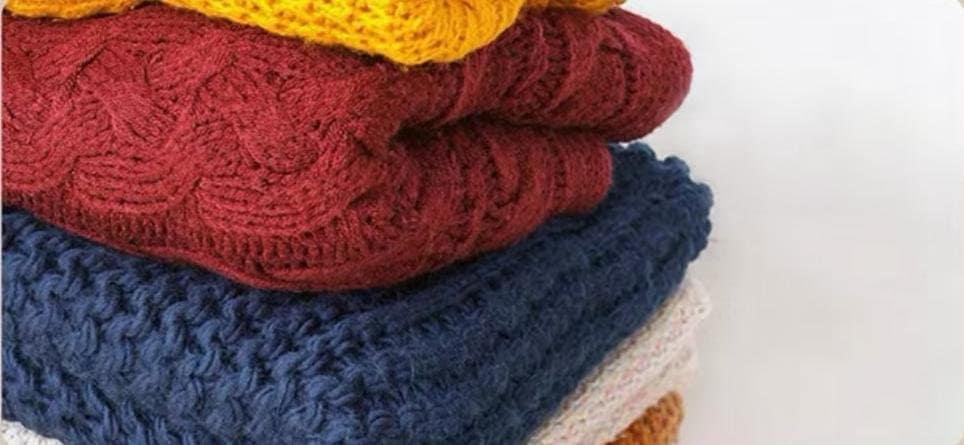
- Merino Wool: Merino wool is considered one of the most sustainable fibers available. It is renewable, biodegradable, and has a relatively low environmental impact when compared to synthetic materials. However, the wool industry is not without its challenges, including concerns about animal welfare and land use in some regions.
- Synthetic Blends: Synthetic fabrics, while durable and versatile, are derived from petroleum-based products and are not biodegradable. The production process is energy-intensive, and the growing issue of microplastic pollution has raised concerns about the long-term environmental effects of synthetic fibers.
Cost-Effectiveness and Sourcing
When it comes to cost, Merino wool and synthetic blends each present different financial considerations for manufacturers and retailers. Understanding these factors can help businesses make a strategic decision based on their target market, production volume, and pricing strategy.
Merino Wool: Production and Price Considerations
Merino wool is typically more expensive than synthetic fibers due to several factors:
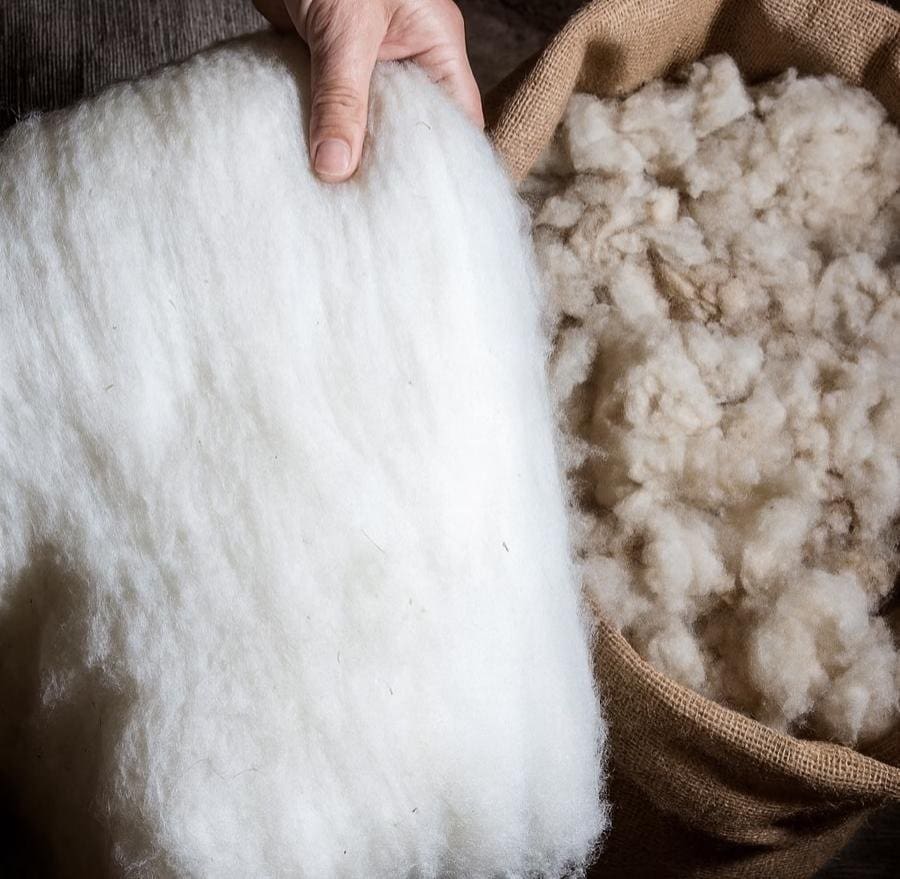
- Raw Material Costs: The cost of high-quality Merino wool can be volatile, largely due to factors like climate conditions, wool supply availability, and global demand. The quality of the wool is directly influenced by the region in which it is sourced, with premium Merino wool being grown primarily in Australia and New Zealand.
- Processing and Labor Costs: The process of washing, spinning, and weaving Merino wool into fabric is labor-intensive, and manufacturers must ensure that the wool meets strict quality standards. This adds to the overall cost of production.
- Shipping and Logistics: Merino wool is often sourced from distant regions, leading to higher transportation costs. However, for companies focused on high-end outdoor wear, these costs are offset by the premium pricing they can command for products made from Merino wool.
Despite its higher upfront costs, Merino wool offers value in the form of its superior performance and sustainability, allowing businesses to position their products as premium offerings in the market. Brands focusing on the high-end segment, where customers are willing to pay for quality, may find Merino wool to be an attractive option.
Synthetic Blends: Production and Price Advantages
Synthetic fabrics, on the other hand, are generally much cheaper to produce:
- Lower Raw Material Costs: Synthetics are made from petroleum-based products, which are relatively inexpensive and abundant. The manufacturing process is also more standardized, which reduces the cost per unit.
- Mass Production: The ability to produce large quantities of synthetic fabrics with consistent quality means manufacturers can benefit from economies of scale. This allows for lower prices and higher margins when producing in bulk.
- Logistics and Availability: Synthetic fibers are widely available and are often produced in various global regions, reducing transportation costs and lead times compared to natural fibers like Merino wool.
For manufacturers, synthetic blends offer a significant advantage in terms of cost-effectiveness, especially for mid- to low-price outdoor wear. The ability to produce high volumes of synthetic garments while keeping costs low makes these fabrics an appealing option for companies targeting mass-market consumers.
Conclusion
Choosing the right fabric for outdoor wear is a crucial decision for manufacturers. Merino wool and synthetic blends each bring distinct advantages to the table. Merino wool excels in performance, sustainability, and comfort, making it ideal for premium outdoor wear, especially in cold-weather and multi-season garments. On the other hand, synthetic blends offer flexibility, durability, and cost-effectiveness, making them the go-to choice for mass-market outdoor apparel and high-performance, activewear products.
As sustainability becomes an increasingly important factor for both consumers and businesses.Manufacturers must remain adaptable, incorporating both natural and synthetic materials in their product lines to stay competitive while meeting the expectations of environmentally conscious consumers.
As a B2B cross-border clothing manufacturer, GOPHERWOOD understands the importance of choosing the right materials for your clients’ diverse needs. Whether you’re producing high-performance Merino wool garments or durable synthetic-blend outdoor wear, we are committed to providing high-quality, sustainable, and cost-effective fabric solutions that meet the demands of the global market.