Origin of Mercerized Cotton
The concept of mercerized cotton fabrics originated in the 1840s with the work of John Mercer, an English chemist who was intrigued by the effects of chemical treatments on textiles. In 1844, Mercer discovered that treating cotton with a caustic soda solution caused the fibers to swell and gain new characteristics, including increased strength, a smoother surface, and enhanced dye absorption. He patented his discovery in 1851, and this process was named “mercerization” in his honor.
Initially, Mercer’s process was primarily valued for its strengthening effects on cotton. However, as textile manufacturers began to realize the aesthetic benefits of mercerization—such as a lustrous finish and color retention—it became a sought-after method for enhancing cotton fabrics. By the early 20th century, the mercerization process had evolved to focus on these visual enhancements, leading to the gleaming, color-rich fabric known as mercerized cotton that remains popular today. This development marked a milestone in textile manufacturing, as mercerized cotton quickly became synonymous with quality and luxury.
What is Mercerized Cotton?
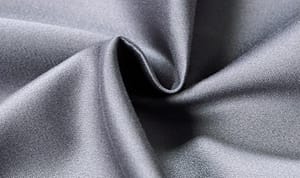
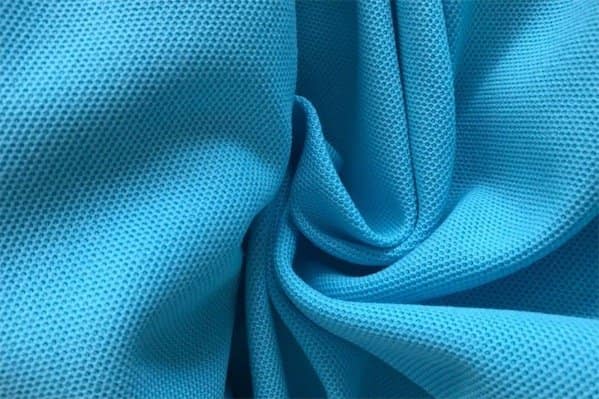
Mercerized cotton is a type of cotton that has been treated with a caustic soda solution to enhance its qualities. This process alters the structure of the cotton fibers, giving them a smoother, more lustrous appearance while also making them stronger and more durable. Unlike regular cotton, mercerized cotton readily absorbs dyes, resulting in vibrant, long-lasting colors. Known for its softness and silk-like sheen, mercerized cotton stands out as a high-quality textile often used in premium clothing and home furnishings.
Characteristics of Mercerized Cotton
Mercerized cotton is distinguished by several standout characteristics that make it highly sought-after:
- Enhanced Shine: The mercerization process gives cotton a smooth, lustrous finish, similar to silk, setting it apart from regular cotton.
- Improved Strength: Mercerized cotton fibers are stronger and more durable, making them ideal for garments and textiles that need to withstand regular use.
- Color Vibrancy and Retention: This cotton absorbs dyes more effectively, resulting in rich, vibrant colors that are long-lasting and resistant to fading.
- Softness and Smoothness: The treatment process creates a soft, smooth texture, giving it a luxurious feel.
- Reduced Shrinkage: Mercerized cotton is less prone to shrinking, maintaining its shape and size even after multiple washes.
Types of Mercerized Cotton Fabrics
Mercerized cotton comes in a few different types, each suited to specific uses and preferences:
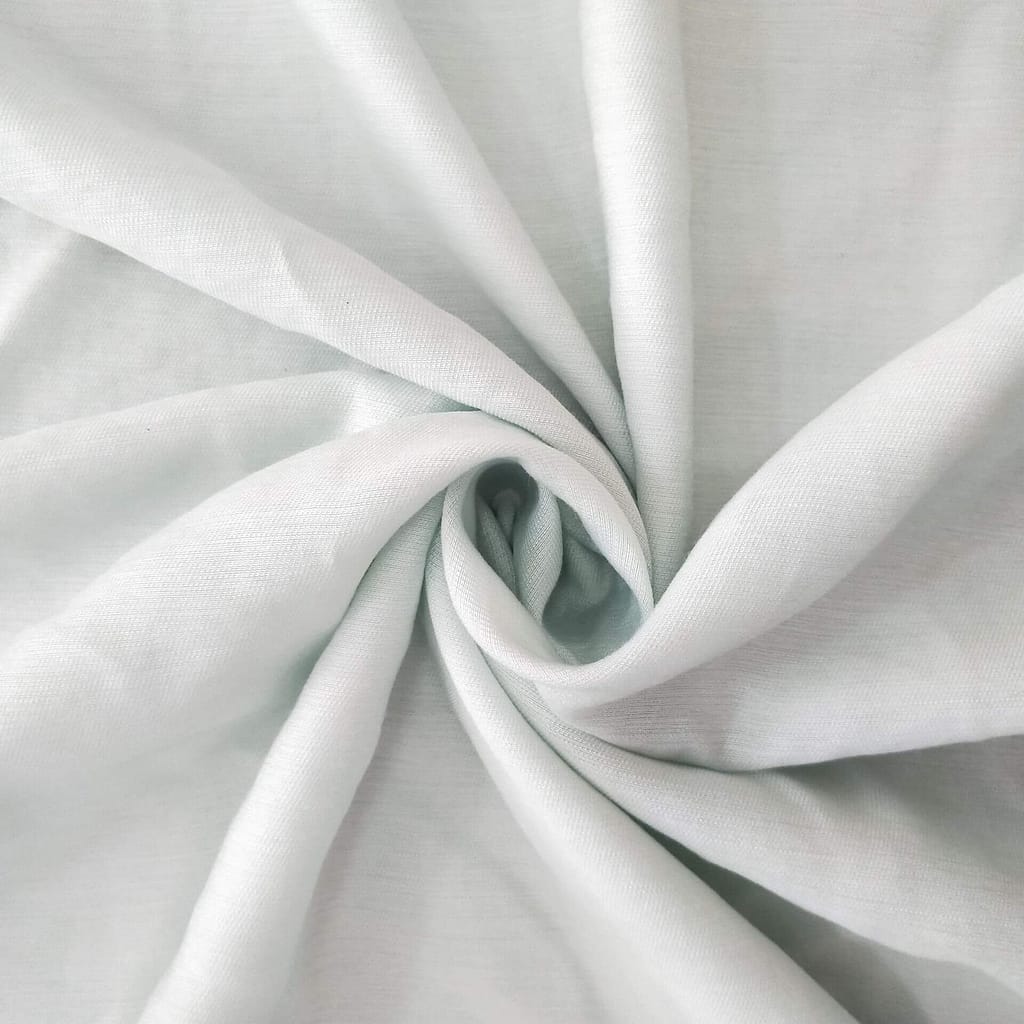
Single Mercerized: Cotton that has gone through the mercerization process once, offering improved durability, color vibrancy, and sheen. It’s commonly used in everyday clothing and home textiles.
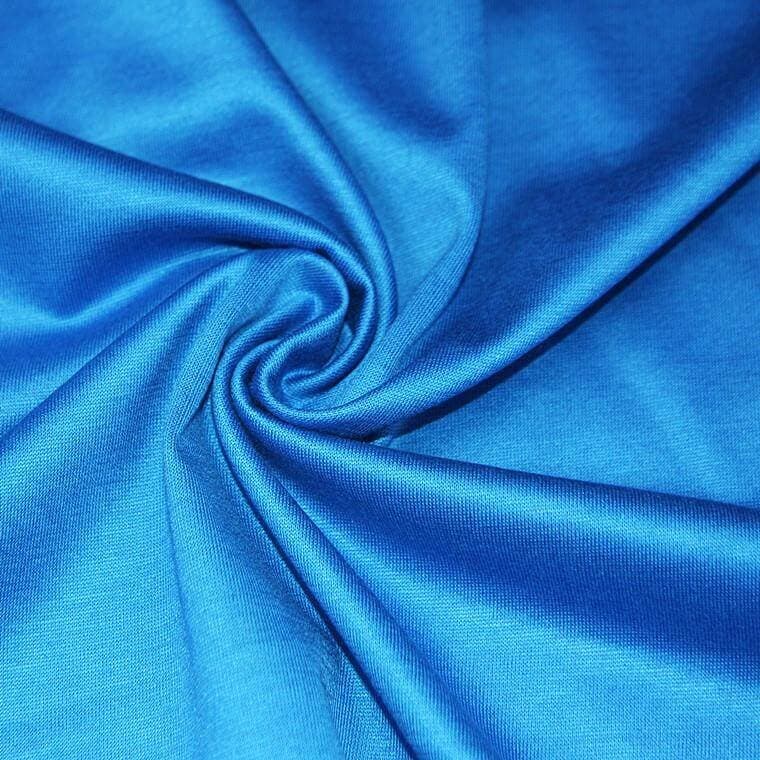
Double Mercerized: Cotton that undergoes the process twice, enhancing its sheen and color depth even further. This type is often used in premium garments, dress shirts, and luxury linens.
Variations by Weave: Mercerized cotton can come in various weave patterns like poplin, twill, or percale, each providing unique textures and appearances suited to different types of clothing and home textiles.
Mercerized Cotton Production Process
The production of mercerized cotton involves several key steps:
| Step | Description |
|---|---|
| Preparation | Cleaning and prepping raw cotton fibers to ensure a smooth, uniform mercerization process. |
| Mercerization Treatment | Treating cotton with a caustic soda solution, which swells the fibers, enhancing luster, strength, and dye affinity. |
| Neutralization and Dyeing | Neutralizing the treated cotton to remove chemicals, then dyeing to achieve vibrant, lasting colors. |
| Finishing | Applying final treatments to smooth and polish the fibers, creating a luxurious, silk-like sheen. |
| Quality Control | Inspecting the final product to ensure consistent quality, color, and finish. |
Uses of Mercerized Cotton
Mercerized cotton’s durability, softness, and sheen make it a versatile choice across various applications:
- Fashion Apparel: Used in high-quality garments like shirts, blouses, and dresses due to its luxurious finish and color vibrancy.
- Home Textiles: Popular for bed linens, towels, and upholstery, as it offers both durability and aesthetic appeal.
- Industrial and Specialty Uses: Sometimes used in specialty textiles for industrial applications, valued for its strength and dye retention.
Maintenance of Mercerized Cotton
To preserve the quality and appearance of mercerized cotton, follow these care tips:
- Washing: Wash in cool or warm water using a mild detergent to maintain fabric strength and color.
- Drying: Air drying is ideal, but if using a dryer, opt for a low-heat setting to prevent shrinkage.
- Ironing: Use a medium-heat setting to keep the sheen intact without damaging the fibers.
- Storage: Store in a cool, dry place to prevent fading and protect the fabric’s softness and color.
Benefits of Mercerized Cotton
Advantages:
- Enhanced Durability: Stronger than regular cotton, making it long-lasting and resistant to wear.
- Lustrous Appearance: The mercerization process creates a silk-like sheen, adding a premium look.
- Vibrant, Long-Lasting Colors: Excellent dye retention ensures colors remain rich over time.
- Reduced Shrinkage: Less prone to shrinking, maintaining its shape after multiple washes.
Limitations of Mercerized Cotton
Limitations:
- Higher Cost: More expensive due to the additional treatment process.
- Environmental Impact: The process uses chemicals that require careful handling to reduce environmental effects.
Mercerized Cotton in Sustainable Fashion
As the demand for eco-friendly textiles grows, the textile industry is working to make the mercerization process more sustainable. Some manufacturers are adopting closed-loop systems to reduce chemical waste, while others are using organic cotton to ensure that the final product is both high-quality and environmentally responsible. Additionally, brands are integrating mercerized cotton into sustainable fashion lines, combining the fabric’s durability and beauty with practices that lessen environmental impact.
Conclusion
Mercerized cotton stands out as a premium fabric that combines durability, softness, and a luxurious sheen, making it a popular choice in both fashion and home textiles. From its rich history to its advanced production process, mercerized cotton offers a unique blend of beauty and resilience that appeals to consumers and designers alike. With its enduring quality and versatility, mercerized cotton remains a valuable textile that continues to adapt within the industry, especially as it moves toward more sustainable practices.