
Introduction
The loungewear trend has undergone a significant evolution, shifting from a niche comfort category to a dominant force in the fashion world. Over the last few years, comfort has become a top priority for consumers, driving the widespread adoption of loungewear. What was once reserved for lazy weekends or at-home wear has now infiltrated every aspect of daily life—from remote work setups to casual outings.
This growing demand for loungewear presents an exciting opportunity for fashion brands and manufacturers. With consumers seeking not only comfort but also style and versatility, the market for loungewear has expanded into a multi-billion dollar industry. As brands and manufacturers explore how to capitalize on this trend, it’s essential to understand the factors that have driven its rise and the key strategies for success in this space.
In this article, we’ll explore how businesses can position themselves to take advantage of the loungewear boom, identify emerging market trends, and implement effective strategies to develop, market, and sell loungewear collections that resonate with today’s consumers.
Understanding the Loungewear Trend
Loungewear, once thought of as merely comfortable clothing for relaxing at home, has become a powerful trend that has revolutionized the way people approach fashion. To successfully capitalize on this trend, it’s crucial for fashion brands and manufacturers to fully understand what loungewear is and why it has become such an essential category in modern wardrobes.
Defining Loungewear
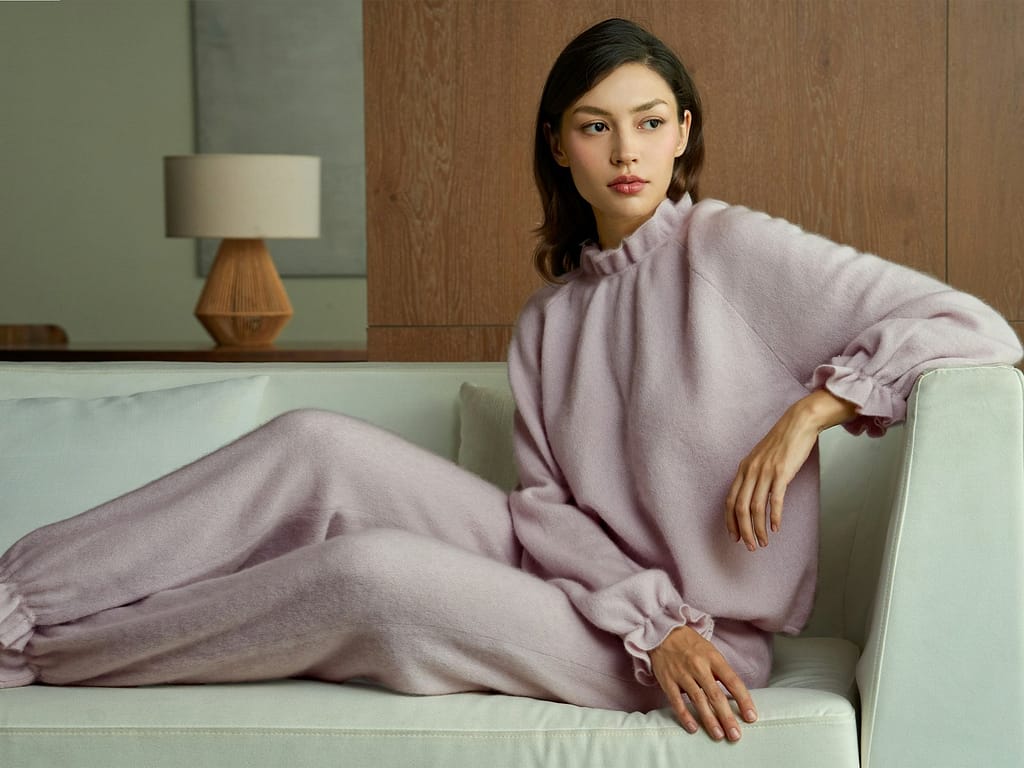
At its core, loungewear is about comfort without sacrificing style. It includes garments that are easy to wear, soft to the touch, and versatile enough for various casual settings. Key characteristics of loungewear include:
- Comfortable Fabrics: Materials such as cotton, modal, bamboo, and fleece are popular for their softness and breathability.
- Relaxed Fit: Unlike tailored or structured clothing, loungewear typically features looser fits, making it ideal for both lounging at home and running errands.
- Versatility: Loungewear is no longer confined to the home; it’s now worn to the office, on trips, and even for informal social gatherings.
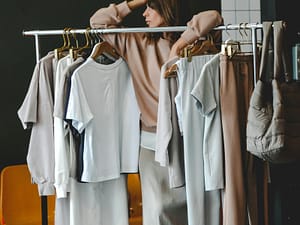
Today, loungewear includes a wide range of products such as joggers, sweatshirts, hoodies, t-shirts, and matching sets, often designed with both fashion-forward and functional features.
Growth of the Market
The loungewear market has seen explosive growth, particularly in recent years. According to industry reports, global loungewear sales surged during the COVID-19 pandemic, as people shifted to remote work and sought comfortable alternatives to traditional workwear and formal clothing. This trend has continued post-pandemic as more people have embraced the blend of comfort and style that loungewear offers.
The market has matured, with loungewear now being a staple not just for the home, but also for leisurewear and casual outings. The emergence of “athleisure” as a dominant fashion category has further reinforced the growing appetite for this kind of apparel.
Current Consumer Demand
The demand for loungewear is not limited to any one specific demographic. It appeals to a wide range of consumers:
- Millennials and Gen Z: Younger generations, particularly those in remote or flexible working arrangements, have embraced the loungewear lifestyle. Comfort has become a priority for these groups, especially as they seek clothing that aligns with their relaxed, on-the-go lifestyles.
- Working Professionals: With many people still working from home, loungewear has evolved to cater to professionals who want comfort but still need to look presentable on video calls or in casual office settings.
- Parents and Families: Families seeking comfortable, functional clothing for home life have become a significant market segment for loungewear.
Key Factors Driving the Loungewear Trend
The rise of loungewear is driven by several key factors that have reshaped consumer priorities and lifestyle choices.
Shift in Consumer Preferences
Consumers are prioritizing comfort and practicality over formal attire. Clothing that promotes relaxation and well-being—like soft, stretchy fabrics—has become essential. With a focus on self-care and mental health, more people are gravitating toward garments that feel good while still offering a stylish edge.
Work-from-Home Culture
Remote work, accelerated by the pandemic, has made loungewear a go-to choice. People no longer need to dress formally for work, opting instead for casual, comfortable clothing. As remote and hybrid work models remain popular, loungewear continues to be a staple, blending comfort with a polished look for video calls and casual office settings.

Versatility of Loungewear
Loungewear’s flexibility is a huge draw. It easily transitions from homewear to social wear, allowing consumers to look stylish while feeling comfortable. Pieces like joggers, sweatshirts, and chic lounge sets can go from lounging at home to running errands or meeting friends, making them a versatile choice for everyday wear.
Social Media and Influencers
Social media has played a massive role in the loungewear boom. Influencers and celebrities frequently showcase loungewear, promoting its stylish yet relaxed vibe. Platforms like Instagram and TikTok amplify the trend, with user-generated content helping spread the word about the comfort and style of loungewear.
Identifying Opportunities for Fashion Brands and Manufacturers
The growing loungewear market offers several key opportunities for fashion brands and manufacturers to explore:
Product Categories to Focus On
- Matching Sets: Coordinated lounge sets like sweatsuits and knit top/leggings combos remain highly popular for their ease and versatility.
- Luxe Lounge: High-end loungewear, such as silk pajamas and cashmere pieces, attracts consumers seeking comfort with luxury.
- Active Loungewear: Athleisure-inspired items like performance leggings and hoodies cater to the active loungewear trend.
Fabric and Material Trends
- Natural Fibers: Soft, breathable materials like cotton, bamboo, and modal are favored.
- Sustainability: Eco-friendly fabrics such as organic cotton and recycled polyester are in demand as consumers seek more sustainable options.
- Stretch Fabrics: Blends that offer comfort and flexibility, like fleece and spandex, are key in loungewear design.
Customization and Personalization
- Personalized items, such as monogrammed robes or custom designs, appeal to consumers looking for unique or gift-worthy pieces.
- Manufacturers can also target niche markets, such as maternity or plus-size loungewear, to cater to specific needs.
Sustainability as a Selling Point
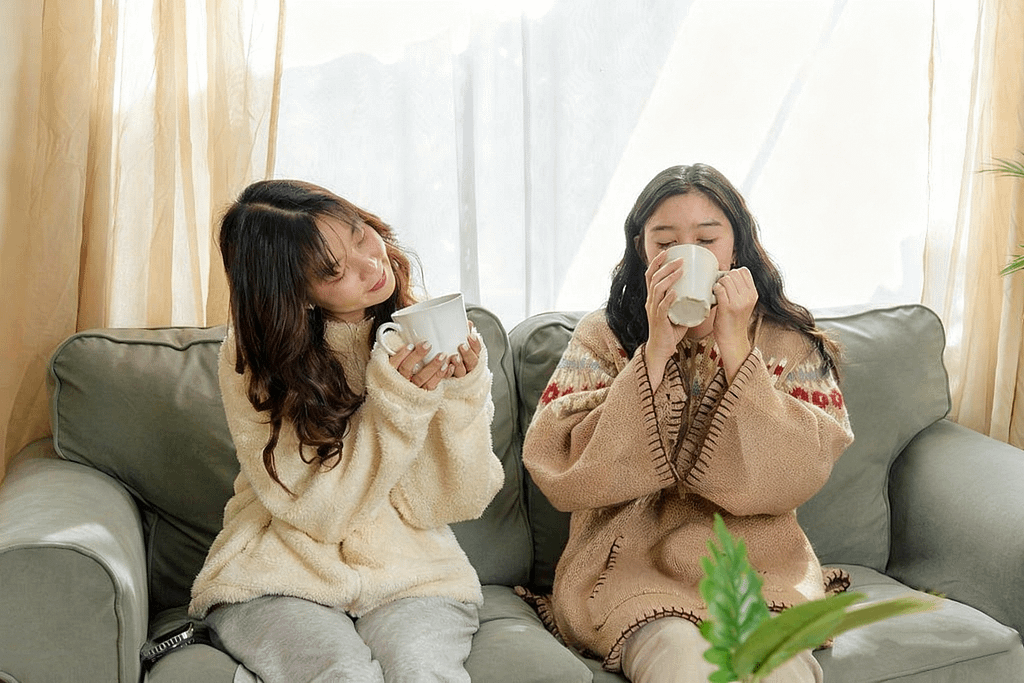
Sustainability continues to influence buying decisions, with consumers preferring eco-friendly materials and ethical production practices. Offering loungewear made from recycled fabrics or sustainable packaging can appeal to environmentally conscious shoppers.
Best Practices for Manufacturers
To remain competitive in the expanding loungewear market, manufacturers should adopt best practices that address both market trends and consumer expectations:
Understanding Consumer Needs
Successful loungewear manufacturing starts with understanding consumer preferences. Conducting thorough market research—such as surveys, focus groups, and analyzing social media trends—helps manufacturers stay aligned with what customers want, whether it’s comfort, style, or sustainability. Additionally, staying updated on shifting lifestyle trends and fashion demands can help anticipate future needs and create products that resonate with the target audience.
- Consumer Feedback: Collecting direct feedback allows manufacturers to adjust designs or improve quality based on real customer input.
- Trend Analysis: Monitoring platforms like Instagram, Pinterest, or fashion shows helps ensure the product line remains relevant and up-to-date with emerging styles and fabrics.
Collaboration with Retailers
Building relationships with both online and brick-and-mortar retailers is vital for expanding your brand’s reach. Online platforms like Amazon, Etsy, or direct-to-consumer websites offer vast exposure, while physical stores provide the tactile shopping experience many consumers still value.
- E-Commerce: Online sales channels are a must, especially in today’s shopping climate. Working with established platforms like Shopify or Amazon can boost visibility and streamline distribution.
- In-Store Partnerships: For those seeking to reach consumers who prefer in-person shopping, partnering with retailers and boutiques can help build brand recognition and expand your market presence.
Focus on Quality and Comfort
Loungewear’s appeal lies in its comfort, so manufacturers must prioritize quality fabrics and well-constructed garments. Customers expect softness, durability, and a relaxed fit, so using high-quality materials that withstand wear and washing is essential.
- Durability: Clothes that feel good but don’t stand up to frequent use will quickly lose their appeal. Durability is a must to ensure that consumers feel confident in their investment.
- Fit and Softness: Soft, flexible fabrics that provide a comfortable fit without sacrificing style are key to keeping customers satisfied and loyal.
Marketing Strategies for Loungewear Brands
To effectively tap into the growing loungewear market, brands need to employ targeted marketing strategies that resonate with today’s consumers. Here are key approaches to help boost brand visibility and drive sales:
Leverage Social Media and Influencers
Social media is a powerful tool for building brand awareness and engaging directly with consumers. Influencers, especially those in the lifestyle, fashion, and wellness niches, can help amplify your loungewear brand by showcasing its style, comfort, and versatility.
- Influencer Partnerships: Collaborating with influencers for product reviews, giveaways, or limited-edition collections can significantly increase brand exposure.
- User-Generated Content: Encourage customers to share their loungewear looks on platforms like Instagram or TikTok using branded hashtags. This not only builds a sense of community but also serves as organic marketing from satisfied customers.
Focus on Content Marketing
Content marketing allows brands to connect with their audience in a meaningful way. Creating valuable content—such as blog posts, styling guides, or how-to videos—can drive engagement and establish your brand as a go-to resource for loungewear tips and trends.
- Blog Posts and Guides: Offer helpful resources like “How to Style Loungewear for Work” or “The Best Fabrics for Loungewear” to engage consumers and provide useful fashion insights.
- Videos and Tutorials: Short, engaging videos showcasing your loungewear in everyday settings can help customers visualize how they can incorporate it into their daily routines.
Offer Exclusive Discounts and Promotions
In a competitive market, offering exclusive discounts or promotions can attract new customers and boost sales. Limited-time offers, bundle deals, or seasonal discounts can create a sense of urgency and encourage customers to purchase.
- Seasonal Sales: Run promotions during key shopping periods, such as Black Friday or post-holiday sales, to capture consumer attention.
- Loyalty Programs: Implementing a rewards program can incentivize repeat purchases, helping to retain loyal customers while encouraging new ones to join.

Challenges and How to Overcome Them
While the loungewear market is full of opportunities, there are several challenges brands and manufacturers face:
1. Maintaining Product Quality at Scale
As demand grows, keeping product quality consistent is key:
- Quality Control: Implement strict quality checks at every production stage to ensure consistency.
- Reliable Suppliers: Build strong relationships with suppliers to maintain material and product standards.
2. Keeping Up with Fast-Moving Trends
Loungewear trends evolve quickly, making it difficult to stay ahead:
- Trend Monitoring: Use social media, influencer partnerships, and fashion reports to stay updated.
- Quick Turnaround: Streamline production to quickly respond to emerging trends.
3. Competition and Market Saturation
With many brands entering the loungewear space, standing out is challenging:
- Brand Identity: Focus on unique selling points, whether it’s fabric, design, or sustainability.
- Niche Focus: Cater to underserved niches, such as eco-friendly or plus-size loungewear.
4. Managing Inventory and Demand Fluctuations
Fluctuating demand can make inventory management tricky:
- Data-Driven Decisions: Use sales data to predict demand and optimize stock levels.
- Flexible Production: Consider on-demand or small-batch production to avoid excess inventory.
5. Balancing Cost and Sustainability
Sustainable practices can raise costs, so balancing this is important:
- Efficient Sustainability: Look for cost-effective eco-friendly materials and partners.
- Communicate Value: Highlight the long-term benefits of sustainable products to consumers.
Conclusion
The loungewear market presents significant opportunities for fashion brands and manufacturers looking to capitalize on the growing demand for comfort, versatility, and style. By staying informed about trends, understanding consumer needs, and implementing efficient production and marketing strategies, businesses can carve out a strong presence in this competitive space.
The key to success lies in balancing quality with innovation, sustainability with cost-efficiency, and staying agile in the face of fast-moving trends. Loungewear is no longer just a casual wear trend; it’s become a staple in consumers’ wardrobes, offering endless possibilities for brands to grow and thrive.
At GOPHERWOOD, we understand the evolving needs of the fashion industry. As a B2B cross-border clothing manufacturer, we specialize in high-quality, customizable clothing solutions tailored to help brands succeed in today’s competitive market. Our commitment to sustainability, efficiency, and innovation ensures that our partners can meet consumer demand with products that combine style, comfort, and durability. Let us help you bring your loungewear vision to life!