Origin of Flannel Fabrics
Flannel’s origins can be traced back to Wales in the 16th century, where it was initially made from wool. The fabric was prized for its warmth and durability, making it an essential garment for working-class individuals, particularly in colder climates. By the 17th century, flannel gained popularity beyond Wales, spreading throughout Europe as its manufacturing techniques improved.
As the Industrial Revolution took hold in the 18th century, the production of flannel became more widespread with the advent of mechanized looms. This led to the introduction of cotton flannel, which offered a softer alternative to traditional wool flannel. The fabric’s versatility and comfort eventually made it a favorite in North America, where it became synonymous with casual, cozy wear. Today, flannel is available in a variety of blends and styles, making it a timeless choice for countless applications, from fashion to home decor.
What is Flannel Fabric?
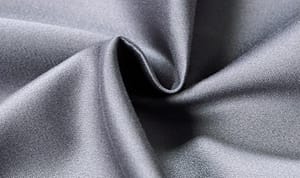
Flannel is a soft, woven fabric that is characterized by its fuzzy texture and warmth. Traditionally made from wool, modern flannel is often crafted from cotton or a blend of cotton and synthetic fibers, making it more accessible and easier to care for. The unique weaving process gives flannel its distinct qualities, such as breathability and moisture-wicking properties, which help keep the wearer comfortable in various conditions.
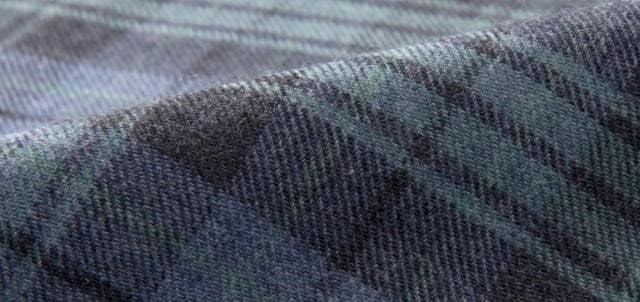
The fabric is known for its versatility, appearing in a range of weights and finishes. Flannel can be lightly brushed to enhance softness, resulting in a cozy feel that is perfect for cooler temperatures. It is typically available in a variety of patterns, with plaid being the most iconic, adding a stylish touch to both casual and formal attire. Flannel’s ability to retain heat while remaining breathable makes it an ideal choice for layering, whether in clothing or home textiles.
Characteristics of Flannel Fabrics
Flannel is known for its:
- Softness: It has a plush texture that feels great against the skin.
- Warmth: The brushed fibers trap heat, making it ideal for cooler weather.
- Breathability: Flannel wicks moisture, helping to keep you comfortable.
- Durability: High-quality flannel withstands regular use without losing its softness.
- Versatility: Available in various weights, it suits different applications, from clothing to bedding.
- Pattern Variety: Commonly seen in plaids, flannel also comes in solid colors and other designs.
These features make flannel a popular choice for cozy, stylish textiles.
Types of Flannel Fabrics
Flannel comes in several types, each with unique qualities:
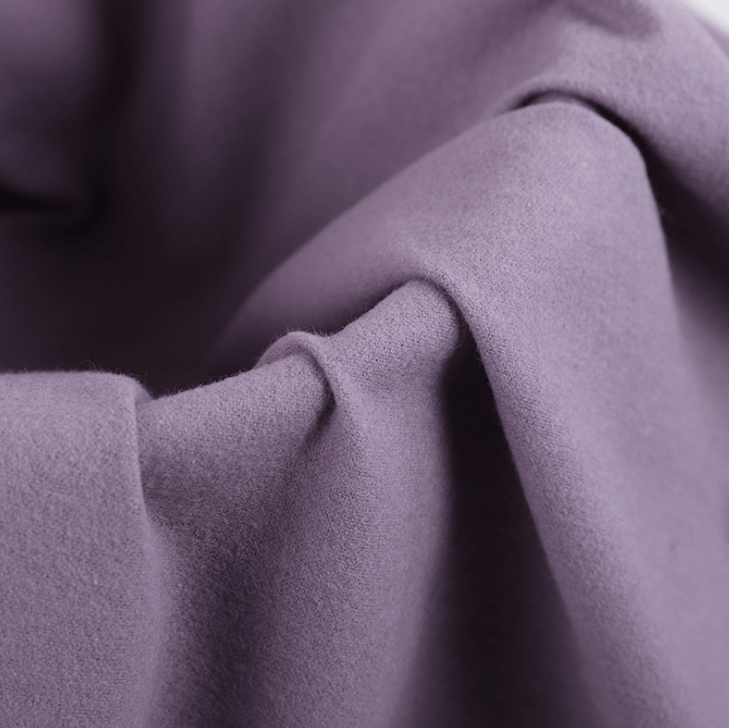
Cotton Flannel: Soft and breathable, this type is popular for pajamas and sheets. It’s easy to care for and retains warmth.
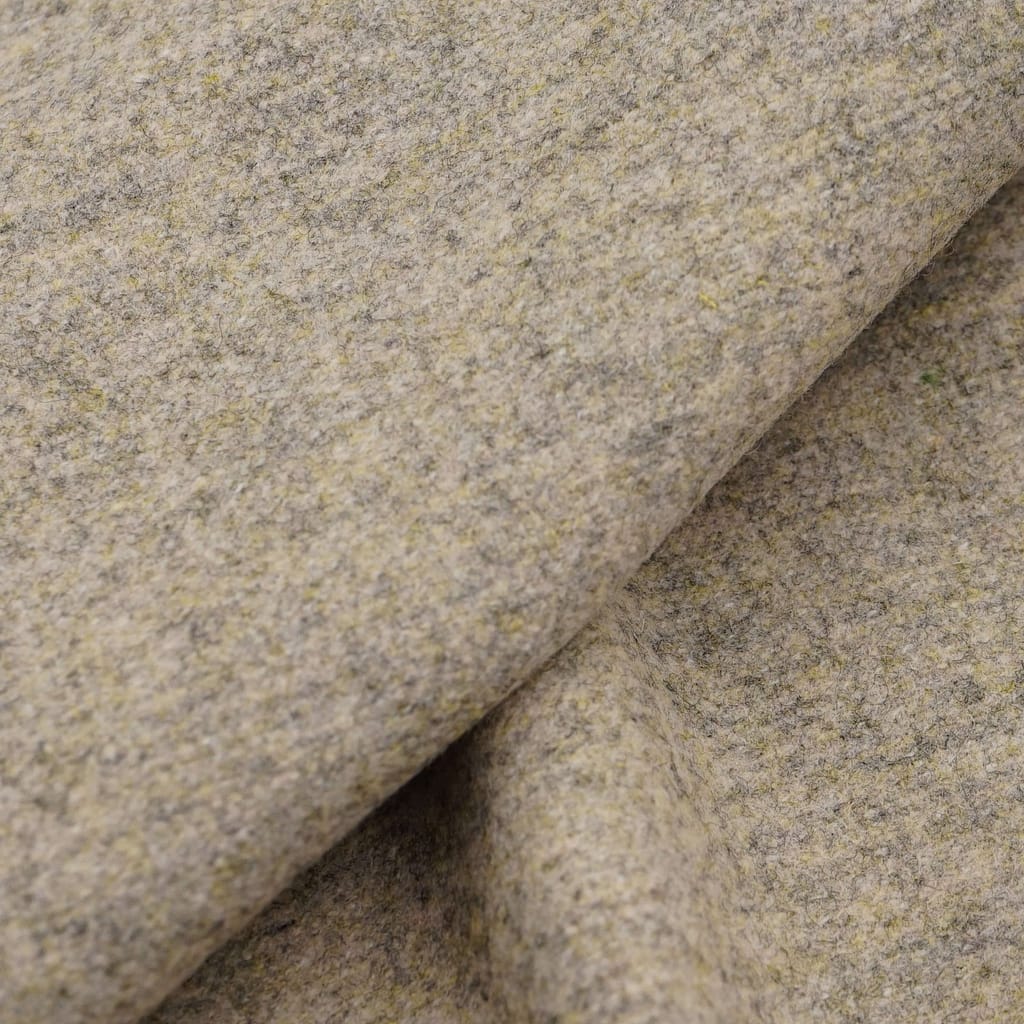
Wool Flannel: Warmer and more durable, wool flannel is often used in outerwear and tailored garments, providing excellent insulation.
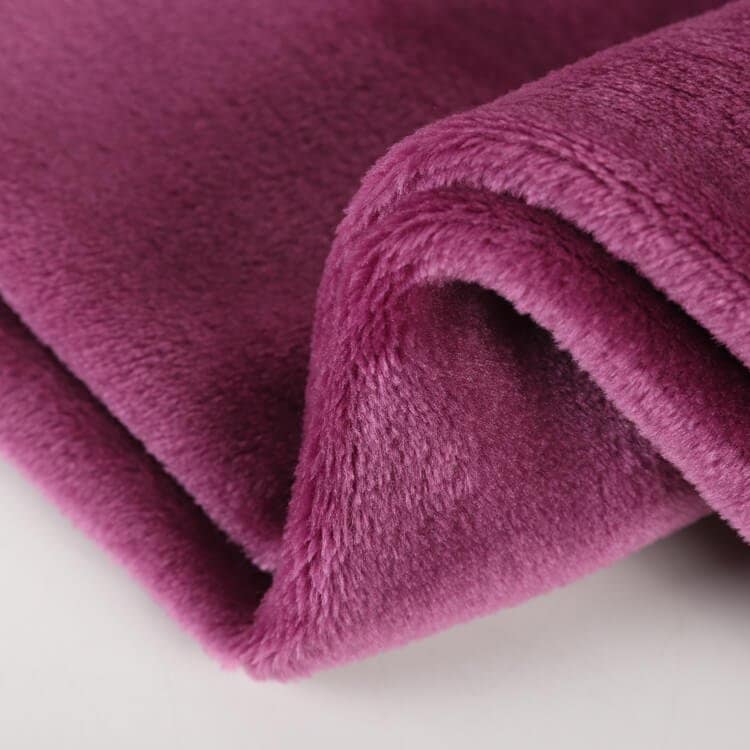
Blended Flannel: Combining cotton with synthetic fibers, blended flannel offers added durability and wrinkle resistance, making it ideal for everyday clothing.
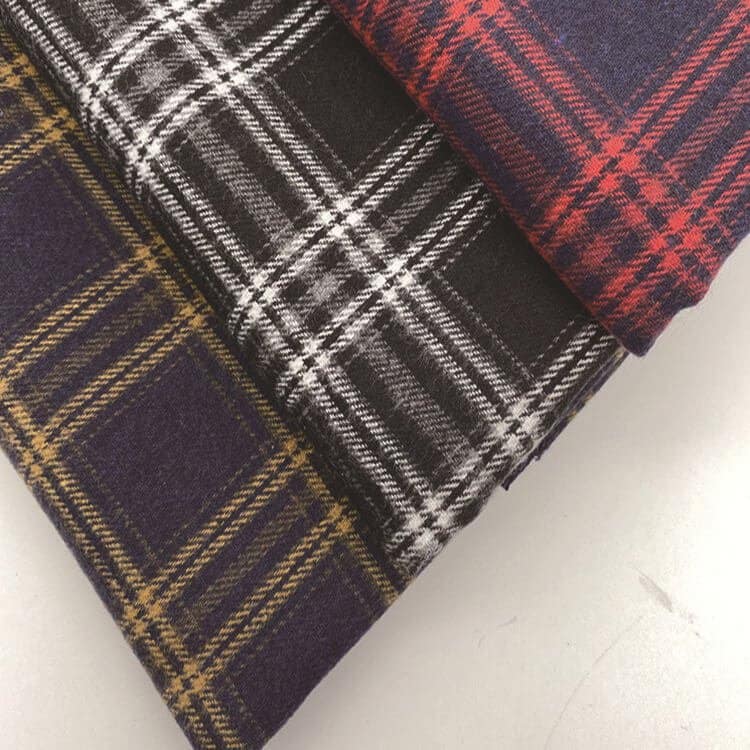
Brushed Flannel: This type is lightly brushed on both sides for extra softness, commonly used in shirts and blankets.
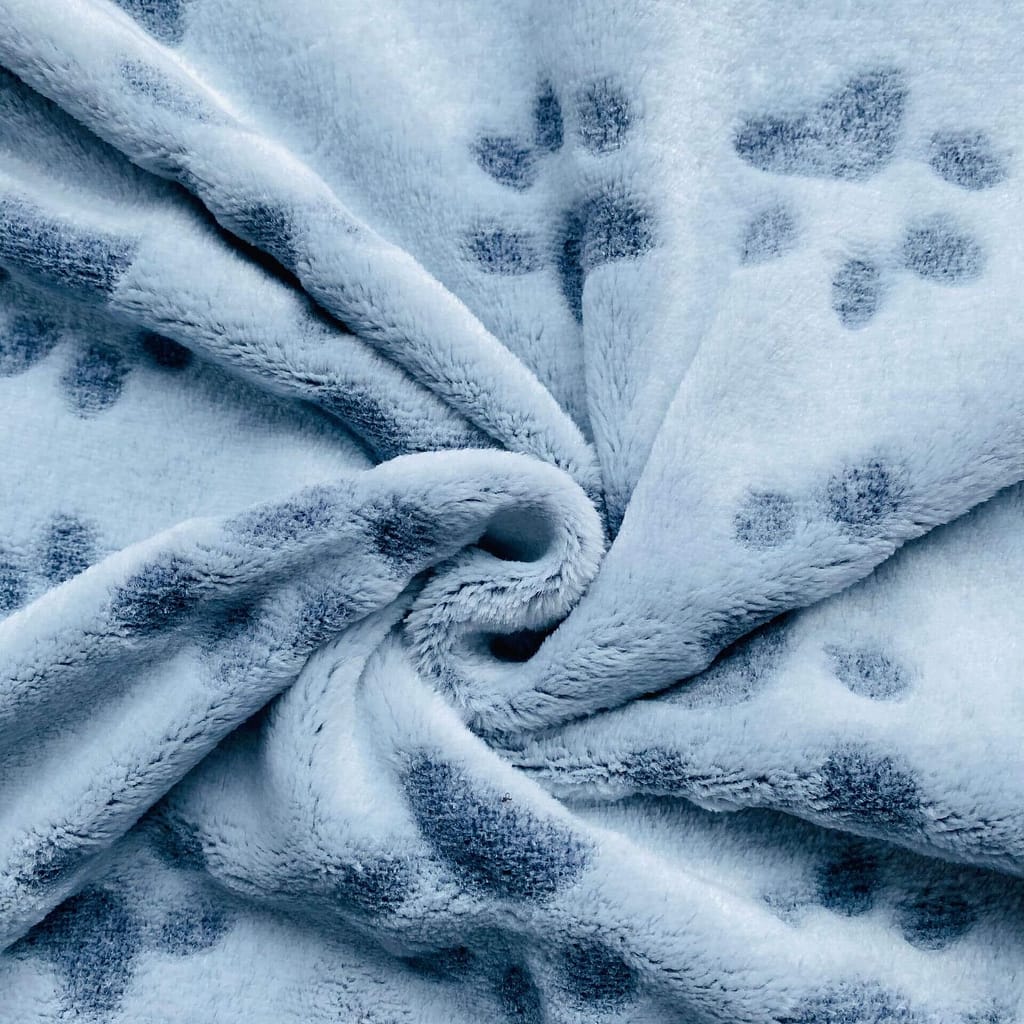
Printed Flannel: Available in various patterns, including plaids and florals, printed flannel adds a stylish touch to any piece.
These types cater to different needs, ensuring that flannel remains a versatile fabric choice.
Production Process of Flannel Fabrics
The production of flannel involves several key steps:
| Step | Description |
|---|---|
| Sourcing | Selecting quality raw materials like cotton, wool, or synthetic fibers. |
| Weaving | Fabric is woven using plain or twill patterns for durability and breathability. |
| Brushing | The fabric is brushed to raise fibers, creating the soft, fuzzy texture characteristic of flannel. |
| Dyeing | Flannel is dyed in various colors and patterns, including classic plaids. |
| Finishing | Final steps include pre-shrinking and dye setting to ensure softness and color retention after washing. |
Uses of Flannel Fabrics
Flannel is a versatile fabric with a wide range of uses:
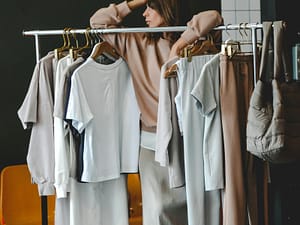
- Clothing: Commonly found in shirts, pajamas, and loungewear, flannel provides warmth and comfort for casual wear.
- Home Textiles: Flannel is popular for bedding, including sheets and blankets, as well as throws and pillow covers, adding coziness to home decor.
- Crafts: Crafters use flannel for quilting, sewing projects, and even stuffed animals, benefiting from its softness and ease of handling.
- Outerwear: Flannel-lined jackets and coats offer extra warmth and style, especially in cooler months.
- Upholstery: Some flannel fabrics are used for upholstery, providing a soft touch and durability for furniture.
Flannel’s adaptability makes it a favored choice across various applications, catering to comfort and style.
Advantages and Disadvantages
Advantages:
- Comfort: Flannel’s soft texture makes it incredibly comfortable to wear and use.
- Warmth: It provides excellent insulation, making it ideal for cold weather.
- Versatility: Flannel can be used in various applications, from clothing to home textiles.
- Breathability: Despite its warmth, flannel remains breathable, helping regulate temperature.
- Durability: High-quality flannel withstands regular use and washing without losing its characteristics.
Disadvantages:
- Pilling: Flannel can pill over time, especially with frequent washing.
- Care Requirements: Some flannels may require special care, such as gentle washing or air drying, to maintain their quality.
- Weight: Heavier flannel can feel bulky, which may not be preferred in warmer climates.
- Shrinkage: Cotton flannel can shrink if not properly cared for, affecting fit and appearance.
Understanding these pros and cons helps consumers make informed choices when selecting flannel products.
Conclusion
Flannel fabrics have established themselves as a beloved choice for comfort and style across various applications. From their origins in Wales to their modern-day uses in clothing and home textiles, flannel’s rich history and versatile characteristics make it a timeless fabric. Its softness, warmth, and breathability cater to the needs of consumers seeking cozy layers, whether in winter wear or bedding.
As you explore the world of flannel, you’ll find a variety of types and styles that suit different tastes and preferences. Despite some drawbacks, the advantages of flannel often outweigh them, making it a staple in many households. Embrace the comfort of flannel and discover the perfect pieces to enhance your wardrobe and living space.