Origin of Embroidery Fabrics
Embroidery dates back thousands of years, with early examples found in ancient Egypt around 3000 BCE, where linen was embroidered for ceremonial use. In medieval Europe, embroidery was used for religious garments and tapestries, like the famous Bayeux Tapestry.
During the Renaissance, it became a symbol of wealth, with silk and gold thread used in elaborate clothing and home décor. The Industrial Revolution in the 19th century introduced the sewing machine, making embroidery more accessible and popular.
Today, embroidery is a widely used art form, from high-fashion designs to DIY projects, blending traditional techniques with modern technology.
What are Embroidery Fabrics?
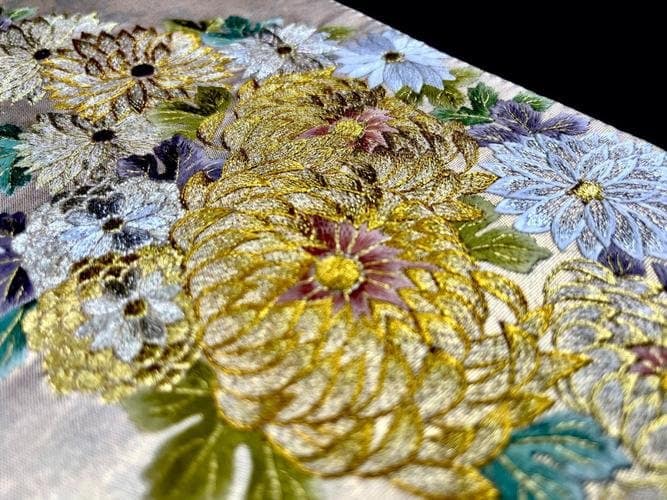
Embroidery fabrics are textiles decorated with patterns or designs created by stitching threads onto the fabric’s surface. These fabrics are distinct from plain fabrics due to the added texture and design, which can range from simple motifs to intricate, multi-layered artwork. Common materials used for embroidery include cotton, silk, linen, and velvet, with each fabric type influencing the final look of the embroidery.
The process of embroidery adds durability to the fabric, as the stitching reinforces the material, making it more resilient. Whether done by hand or machine, embroidery transforms basic fabrics into visually appealing and unique creations.
Characteristics of Embroidery Fabrics
- Texture: Embroidery adds a raised, textured effect to fabrics, giving them a tactile and visual appeal.
- Durability: The stitching reinforces the fabric, often making it more durable and resistant to wear.
- Aesthetic Appeal: Embroidery enhances fabric with intricate designs, colors, and patterns, creating a unique and artistic look.
- Versatility: Embroidered fabrics can be used in fashion, home décor, accessories, and even as artwork, offering endless creative possibilities.
- Variety of Styles: From subtle, delicate stitching to bold, vibrant patterns, embroidery can range from understated elegance to intricate and elaborate designs.
Embroidery Techniques
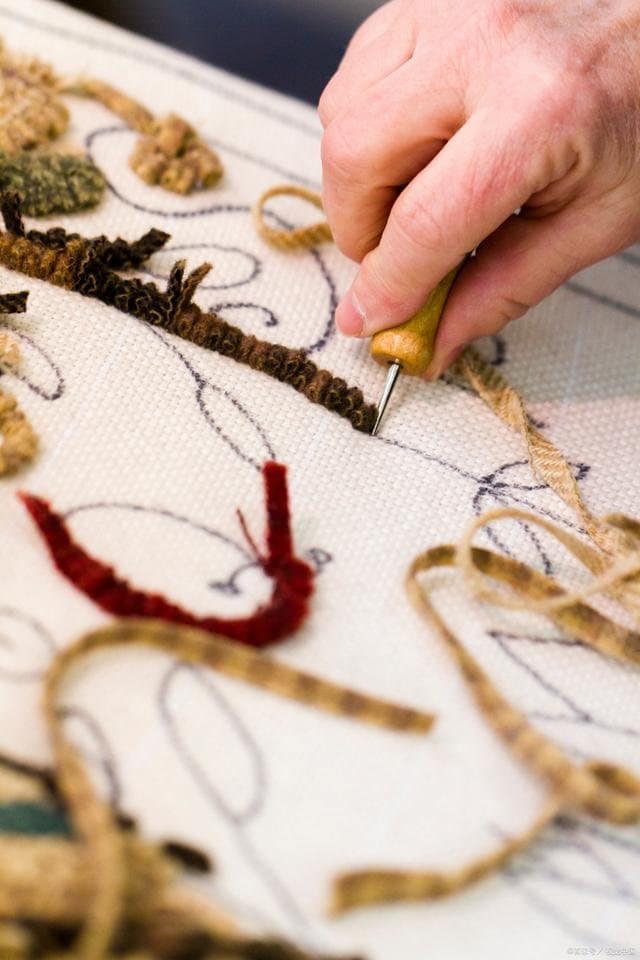
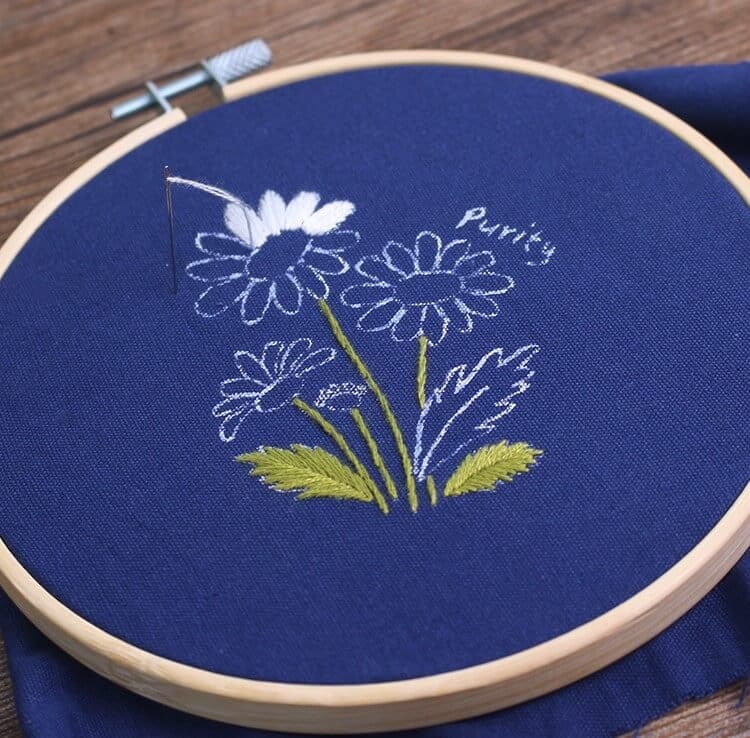
Hand Embroidery: Traditional, slow, and meticulous, hand embroidery allows for intricate designs and personal touches. It is commonly used for smaller, custom projects like monogramming or fine detail work.
Machine Embroidery: This technique uses specialized sewing machines to create complex, consistent patterns quickly. It’s commonly used in commercial production for mass-market garments and home textiles.
Appliqué: A technique where fabric pieces are sewn onto a base fabric to create a design. Often used in combination with embroidery to add texture and dimension.
Beading: Beads and sequins are added to embroidered designs to create additional sparkle and texture. Common in evening wear, bridal fashion, and special occasion garments.
Cutwork: A type of embroidery where small sections of the fabric are cut away and then embroidered around the edges, creating open spaces within the design.
Types of Embroidery Fabrics
Cotton Embroidery: Soft, breathable, and versatile, cotton is one of the most common fabrics used for embroidery. It’s ideal for casual garments and home textiles like towels and pillowcases.
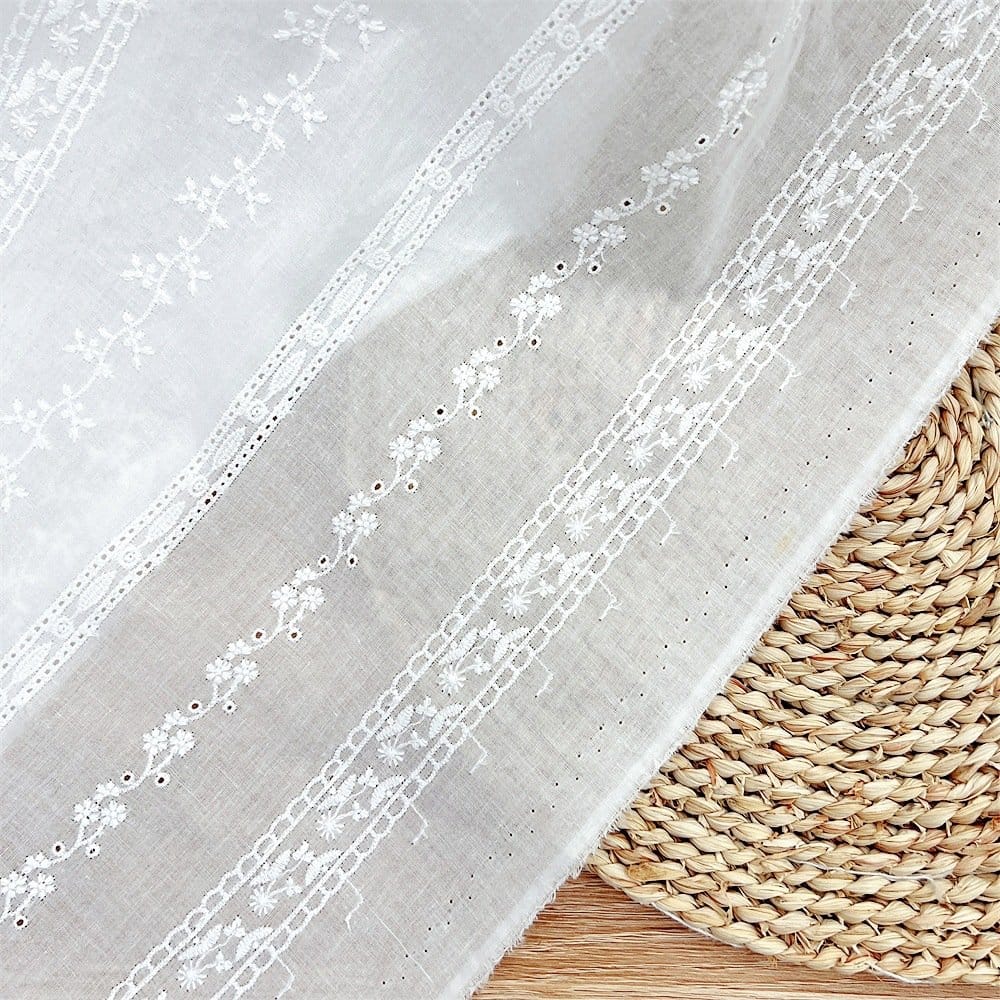
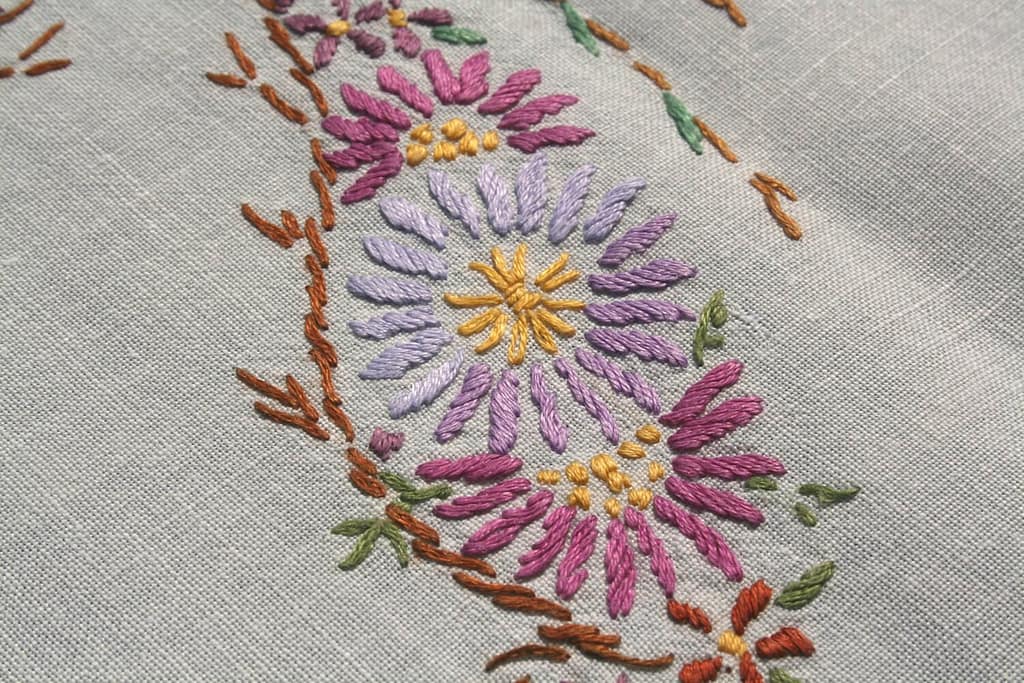
Linen Embroidery: Known for its natural texture and elegant appearance, linen is often used for fine embroidery, particularly in home décor items like tablecloths and napkins.
Silk Embroidery: Luxurious and smooth, silk provides a premium base for embroidery. It’s often used for intricate, delicate designs in high-end fashion and bridal wear.
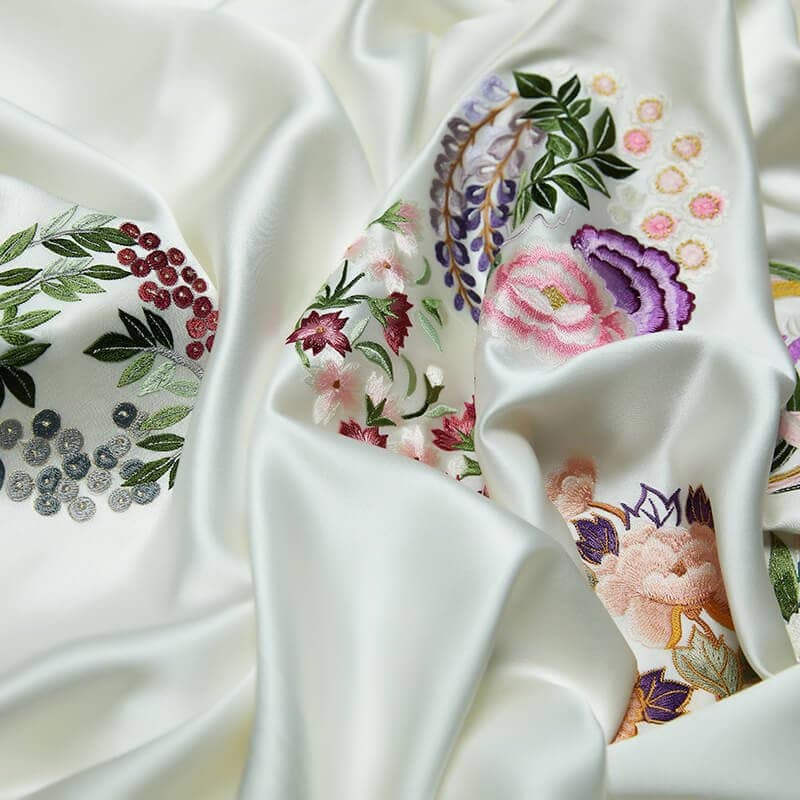
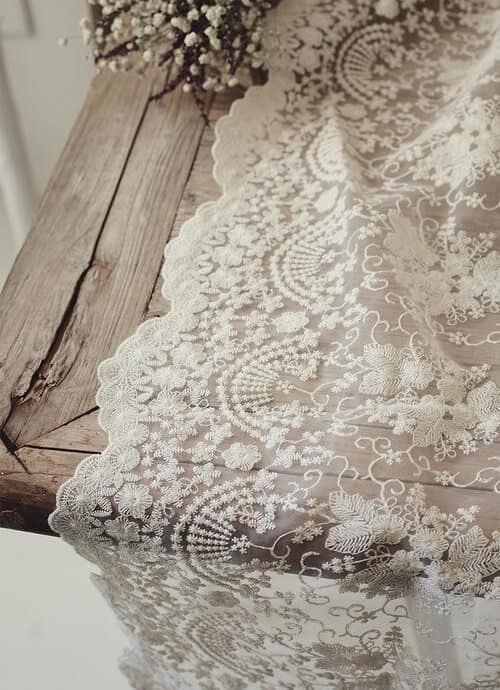
Organza Embroidery: Lightweight, sheer fabrics that add elegance and airiness to embroidery. Commonly used for evening wear and bridal designs.
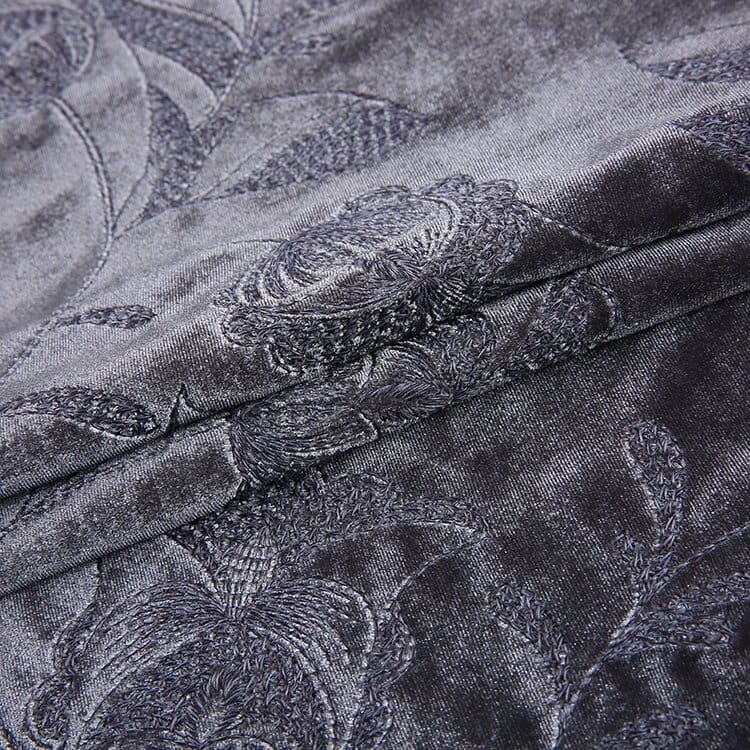
Velvet Embroidery: A rich, textured fabric that pairs beautifully with embroidery. It’s often used in formal or opulent designs, especially in high-end fashion.
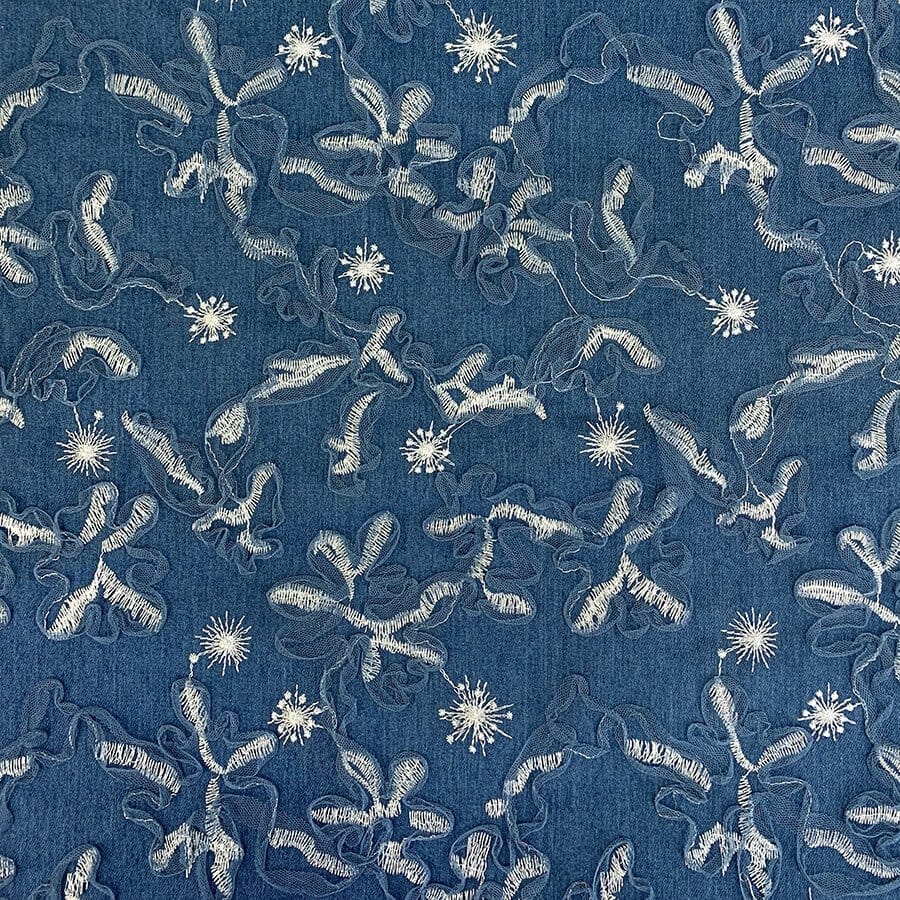
Denim Embroidery: Sturdy and durable, denim offers a unique base for bold, casual embroidery designs, commonly used in jackets, bags, and accessories.
Canvas Embroidery: Heavy and durable, canvas is ideal for more structured embroidery, used in bags, home décor, and outdoor textiles.
Advantages of Embroidery Fabrics
- Durability: The stitching reinforces the fabric, often making it stronger and more resistant to wear and tear.
- Aesthetic Appeal: Embroidery adds visual interest, transforming simple fabrics into artistic, intricate pieces that stand out.
- Customization: Embroidered fabrics allow for personalized designs, making them ideal for custom garments, accessories, and home décor.
- Versatility: Embroidered fabrics are suitable for a wide range of uses, from clothing to home textiles like curtains and pillowcases.
- Timelessness: Embroidery has been used for centuries and remains a timeless design choice, blending tradition with modern trends.
Uses of Embroidery Fabrics
Fashion: Adds elegance to evening gowns, wedding dresses, and casual wear like T-shirts and jeans.
Home Décor: Used in cushions, curtains, and bed linens for added texture and style.
Personalized Gifts: Monogramming and custom embroidery on towels, blankets, and handkerchiefs make thoughtful, unique gifts.
Corporate Branding: Embroidered logos on uniforms, hats, and bags for professional or promotional purposes.
Cultural and Religious: Found in traditional costumes and religious garments, adding cultural and symbolic value.
Maintenance of Embroidery Fabrics
Washing:
- Hand Wash: Preferred for delicate embroidered fabrics to prevent damage.
- Machine Wash: Use gentle cycles and place items in a mesh bag to protect embroidery.
Drying:
- Air Dry: Lay flat or hang to dry to maintain embroidery shape and prevent shrinkage.
- Avoid Direct Heat: Do not tumble dry or expose to high heat to preserve delicate threads.
Ironing:
- Low Heat: Iron embroidered fabrics on the reverse side or use a pressing cloth to avoid damaging the design.
Storage:
- Avoid Direct Sunlight: Store embroidered items in a cool, dry place to prevent fading.
- Use Garment Bags: For long-term storage, use garment bags to protect from dust and damage.
Future Trends in Embroidery Fabrics
Sustainable Embroidery: Growing interest in eco-friendly materials and threads, with many brands focusing on sustainable, biodegradable options.
Digital Embroidery: Advances in technology allow for intricate, custom designs to be created with digital embroidery machines, offering greater precision and creativity.
3D Embroidery: The rise of 3D embroidery, which adds depth and texture to designs, is becoming popular in fashion and home décor.
Minimalist Designs: While traditional embroidery can be detailed, modern trends show a move toward minimalist, geometric, and abstract designs.
Conclusion
Embroidered fabrics combine artistry with craftsmanship, enhancing everything from fashion to home décor. Whether through traditional hand-stitched techniques or modern digital embroidery, these fabrics offer endless creative possibilities. As trends evolve towards sustainability and innovation, embroidery continues to be a timeless design choice, adding beauty, texture, and uniqueness to everyday items.
Embroidered fabrics have a rich history and a versatile range of applications that make them a key element in both traditional and modern design. From enhancing garments with intricate details to transforming home textiles with texture and luxury, embroidery offers endless creative potential. As sustainability becomes more important, the use of eco-friendly threads and materials in embroidery is gaining momentum, ensuring the craft evolves responsibly. Additionally, advancements in digital and 3D embroidery open new doors for customization and innovation, making embroidered fabrics more accessible and impactful than ever.
In all its forms—whether hand-stitched or machine-produced—embroidery remains a timeless and enduring form of artistic expression, adding a personal and refined touch to everything it adorns.