
Introduction
Hemp-Blended Casual Wear is quickly emerging as a key player in the growing demand for sustainable fashion. As the industry continues to evolve, eco-conscious materials have become a central focus for both consumers and brands. With the rise of environmental awareness, there is an increasing shift toward fashion that aligns with ethical values—particularly in casual wear, which forms a major part of the everyday wardrobe.
Hemp blends, combining the durability of hemp with other natural or recycled fibers, offer a perfect solution for businesses looking to meet this demand. These fabrics provide an exceptional mix of style, longevity, and sustainability, making them an ideal choice for manufacturers looking to redefine casual wear. Hemp blends not only cater to the ethical demands of today’s consumers but also present an opportunity for brands to tap into the expanding market for eco-conscious fashion.
The Business Opportunity in Hemp-Blended Casual Wear
The global shift towards sustainability has created a unique business opportunity for brands and manufacturers in the casual wear sector. Consumers are not only seeking fashion that looks good but also want to know that their clothing is ethically produced and made from materials that support a more sustainable future. As a result, the market for eco-friendly casual wear has been growing rapidly, and hemp-blended fabrics are at the forefront of this trend.
Hemp blends provide a competitive advantage for businesses by offering a versatile, high-quality fabric that can be used in a wide range of casual wear products. From t-shirts and hoodies to joggers, casual dresses, and even outerwear, hemp-blended fabrics can be adapted to meet the diverse needs of the modern casual wear market. As consumer preferences shift toward more sustainable, yet stylish, clothing options, hemp blends offer manufacturers the ability to create fashion-forward, eco-conscious collections that appeal to a growing segment of conscious buyers.
In addition to meeting consumer demand, hemp blends also offer cost-effective advantages for brands. While hemp may have higher initial sourcing costs compared to conventional materials like cotton or synthetic fibers, it has the potential for lower long-term production costs due to its durability and long lifespan. Garments made from hemp-blended fabrics tend to last longer than those made from synthetic alternatives, leading to lower replacement rates and a reduction in waste.
Moreover, businesses that integrate hemp into their casual wear lines can capitalize on the growing trend of ethical fashion. By aligning with consumer values around sustainability, companies can build stronger brand loyalty and differentiate themselves from competitors. As eco-friendly fashion continues to rise in prominence, hemp blends offer a strategic opportunity for brands to position themselves as leaders in the sustainable fashion market.
The Style and Practicality of Hemp-Blended Casual Wear
1. Versatile Design Options
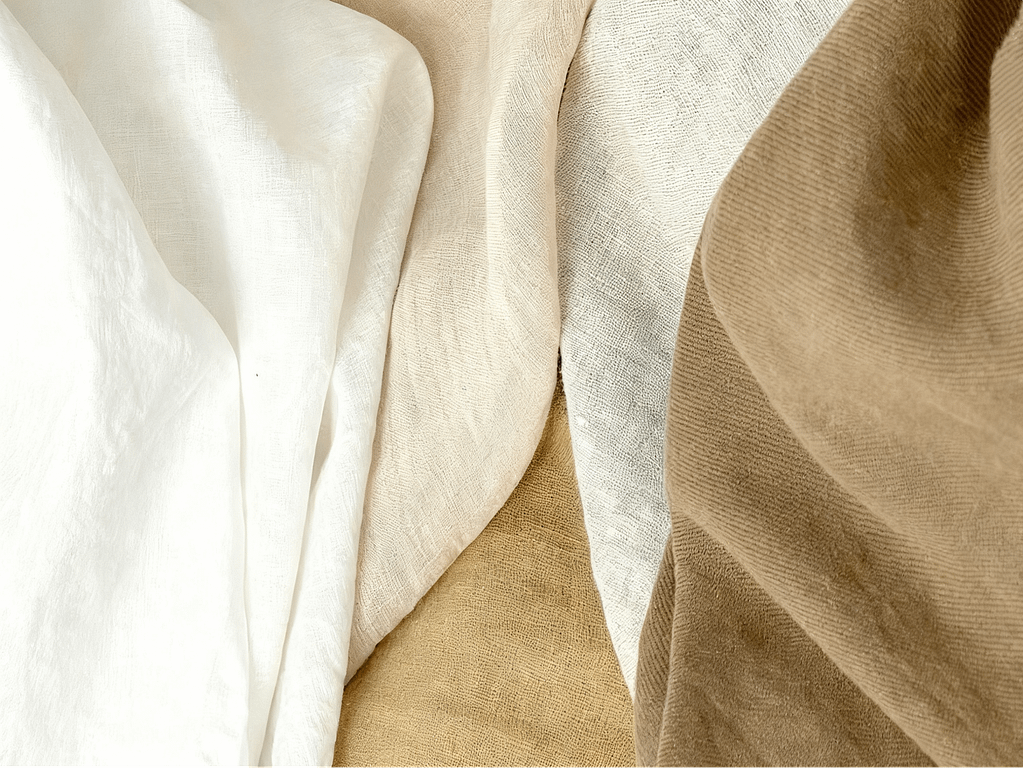
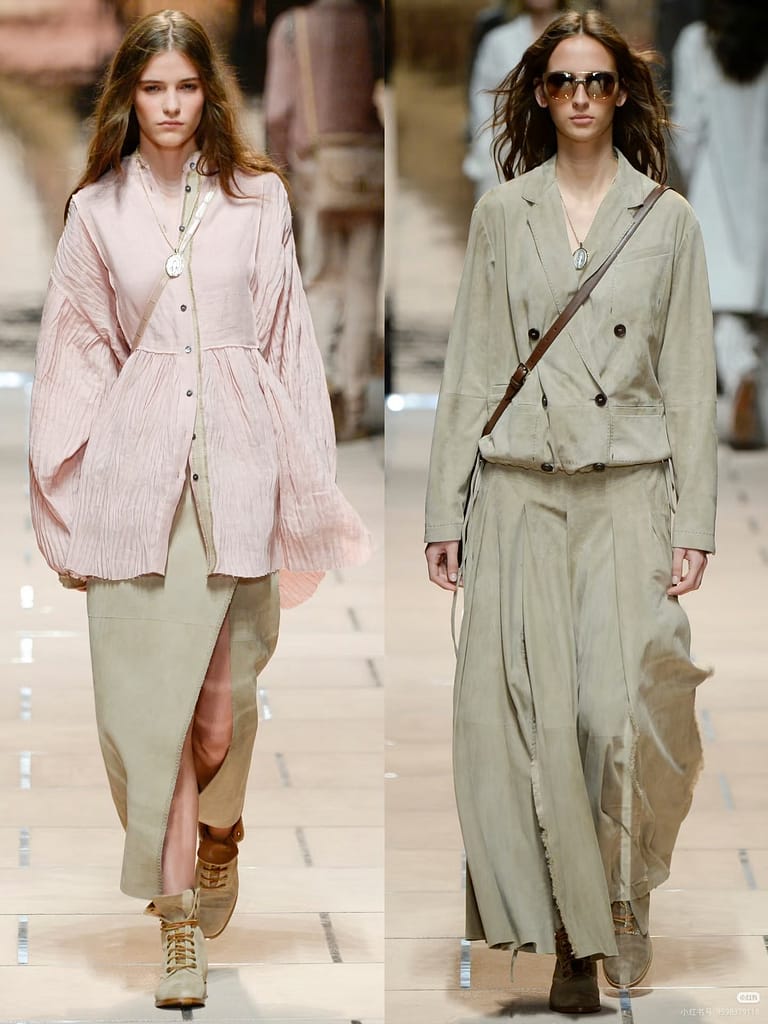
- Fashion-Forward Textures: Hemp’s natural texture, when blended with materials like cotton or recycled fibers, gives garments an earthy, premium feel that stands out in casual wear. From t-shirts and hoodies to dresses and jackets, hemp blends offer designers a variety of textures, weights, and finishes that elevate the aesthetic appeal of casual clothing.
- Range of Styles: Whether creating laid-back basics like t-shirts and sweatpants or more elevated casual pieces, hemp blends are adaptable for a wide range of designs, from streetwear to loungewear.
2. All-Season Comfort
- Breathable and Temperature-Regulating: Hemp fibers are naturally breathable, which helps regulate body temperature. Hemp-blended fabrics keep wearers cool in warmer weather and provide warmth during colder months. This makes hemp blends a perfect option for all-season casual wear.
- Ultimate Comfort: Blending hemp with softer fibers like organic cotton softens its natural texture, creating a fabric that feels comfortable against the skin while still maintaining hemp’s inherent strength.
3. Durability and Longevity
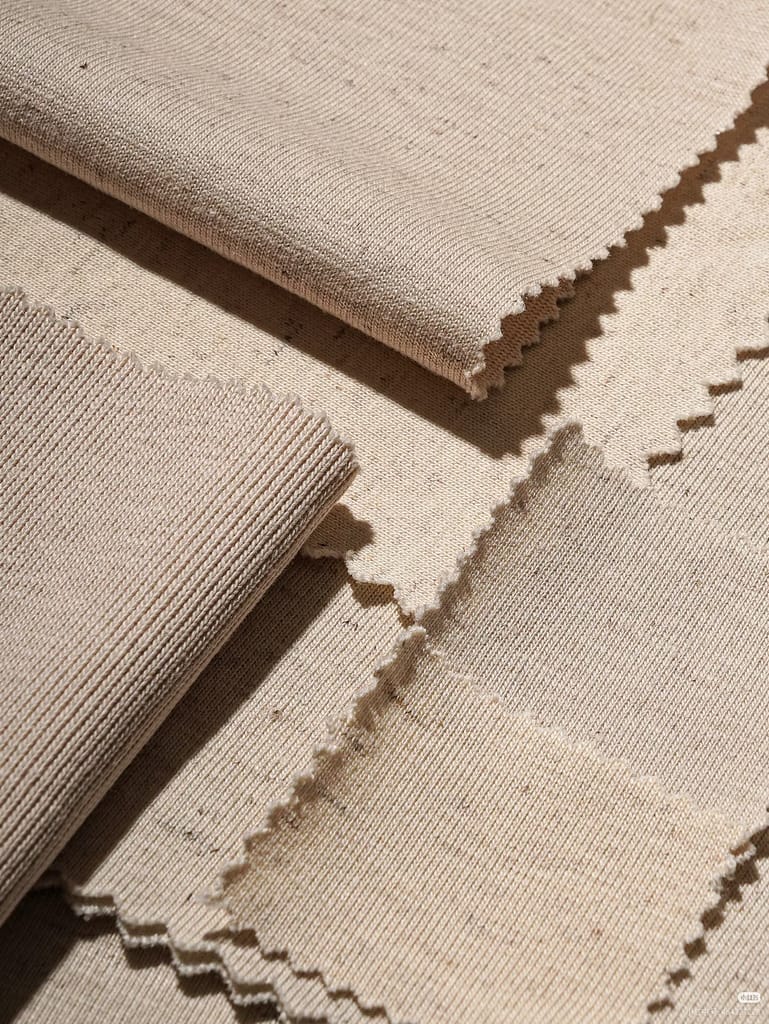
- Resistant to Wear and Tear: Hemp is known for its natural strength, making hemp-blended fabrics incredibly durable. Garments made from these fabrics stand up to regular wear and tear, offering a longer lifespan than conventional casual wear made from cotton or synthetic fibers.
- Low Maintenance: Hemp is naturally resistant to mold, mildew, and UV rays. This makes hemp-blended casual wear low-maintenance, which is appealing to consumers looking for durable, long-lasting products that don’t require constant care.
4. Eco-Friendly Practicality
- Sustainability Meets Functionality: Hemp’s eco-friendly benefits don’t just end at production—its durability means that hemp-blended garments will need fewer replacements over time, reducing waste in the long run.
- Perfect for Active and Loungewear: Hemp blends are especially suitable for activewear and loungewear, where comfort, breathability, and longevity are key. The fabric’s ability to regulate temperature and resist damage means it can withstand both the rigors of physical activity and the casual wear-and-tear of lounging.
5. Competitive Advantage for Brands
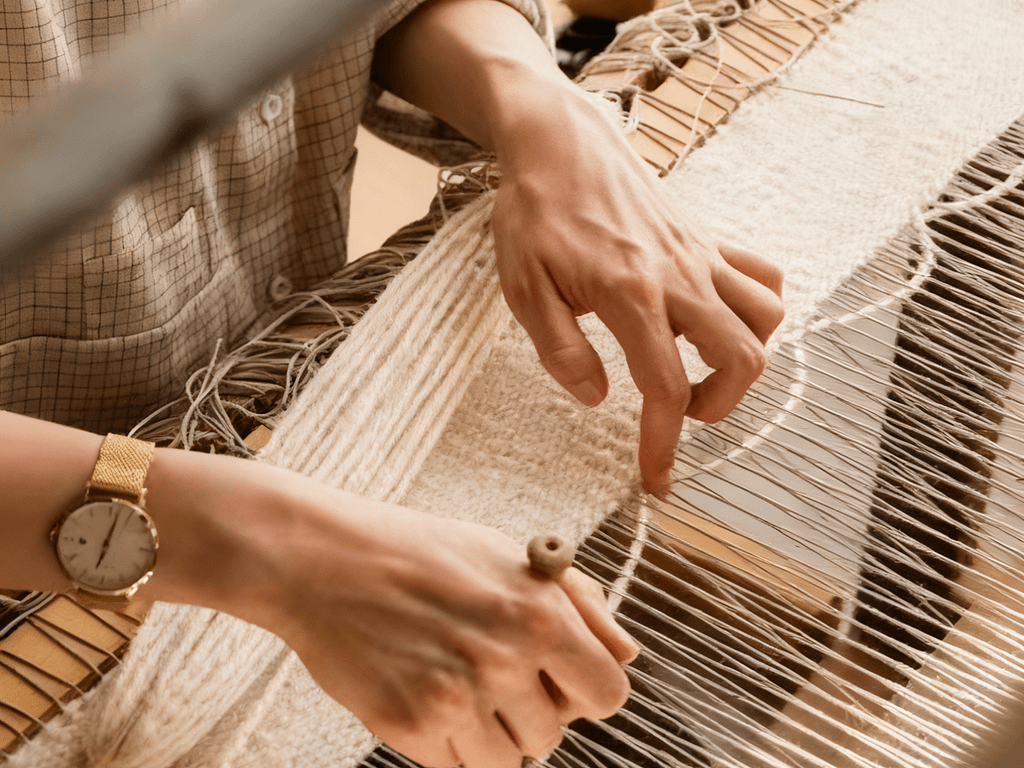
- Differentiation in the Market: Hemp blends offer a unique selling point that combines eco-consciousness with high-performance qualities. This sets products apart from those made with conventional synthetic fabrics, attracting customers who prioritize both sustainability and style.
- Meeting Consumer Demands: As sustainability continues to be a driving factor in consumer decisions, offering hemp-blended casual wear positions brands as leaders in eco-friendly fashion, building customer loyalty and trust.
Sustainability: A Competitive Edge for Hemp-Blended Casual Wear
1. Reduced Environmental Footprint
- Water Usage: Hemp requires significantly less water to grow than cotton, making it a more sustainable option.
- Data Chart: Compare the water footprint of hemp vs. cotton (liters of water per kg of fiber).
| Fiber Type | Water Used (L/kg) |
|---|---|
| Hemp | 2,000 |
| Cotton | 20,000 |
- Pesticide-Free: Hemp grows naturally without the need for harmful pesticides, unlike cotton, which relies heavily on chemicals.
- Data Table: Pesticide usage in hemp vs. cotton farming (kg per hectare).
| Crop | Pesticide Usage (kg/hectare) |
|---|---|
| Hemp | 0 |
| Cotton | 7.5 – 10 |
2. Durability and Reduced Waste
- Longer Lifespan: Hemp’s durability ensures hemp-blended garments last longer than cotton or synthetic alternatives.
- Data Chart: Average lifespan of garments made from different fibers (years).
| Fiber Type | Average Lifespan (Years) |
|---|---|
| Hemp | 3-5 |
| Cotton | 1-3 |
| Polyester | 1-2 |
- Waste Reduction: Hemp fibers are stronger and less prone to breakage, reducing textile waste during manufacturing.
- Data Table: Fabric waste comparison in manufacturing (percentage).
| Fiber Type | Fabric Waste (%) |
|---|---|
| Hemp | 5 |
| Cotton | 15 |
| Polyester | 12 |
3. Biodegradable and Eco-Friendly at End of Life
- Biodegradability: Hemp-blended fabrics break down much faster than synthetic fibers, reducing long-term waste.
- Data Chart: Time taken for different fibers to biodegrade (years).
| Fiber Type | Time to Biodegrade (Years) |
|---|---|
| Hemp | 1-3 |
| Polyester | 100+ |
| Nylon | 50-100 |
4. Meeting Consumer Expectations for Ethical Fashion
- Consumer Demand for Sustainability: A significant portion of consumers prefer brands that prioritize sustainability. According to recent studies, over 60% of consumers are willing to pay more for sustainable fashion.
- Data Chart: Consumer willingness to pay more for sustainable products (%).
| Willingness to Pay More | Percentage of Consumers |
|---|---|
| Yes | 62% |
| No | 38% |
5. Marketing Sustainability as a Key Differentiator
- Sustainability as a Selling Point: Brands that emphasize sustainability can position themselves as leaders in the ethical fashion space, gaining an edge in a competitive market.
- Data Table: Top sustainability claims in fashion marketing (based on recent surveys).
| Sustainability Claim | Percentage of Brands Using Claim |
|---|---|
| Eco-friendly | 80% |
| Carbon-neutral | 30% |
| Fair trade | 45% |
Consumer Demand for Ethical Casual Wear
Consumer demand for sustainability in fashion continues to rise, with hemp blends offering a perfect match for the growing eco-conscious market. Here’s why:
1. Ethical Consumerism on the Rise
Sustainability has become a key driver in consumer purchasing decisions. 73% of global consumers are willing to alter their habits to reduce their environmental impact, and younger generations are leading the way. 66% of Gen Z and 58% of Millennials prioritize buying from brands that are committed to sustainability.
2. Growing Popularity of Sustainable Casual Wear
The market for sustainable fashion is booming, expected to reach $9.8 billion by 2025, with casual wear being a major contributor. 42% of consumers are more likely to choose clothing made from natural fibers like hemp over synthetic alternatives, making it an ideal fabric for eco-conscious casual wear lines.
3. The Power of Brand Transparency
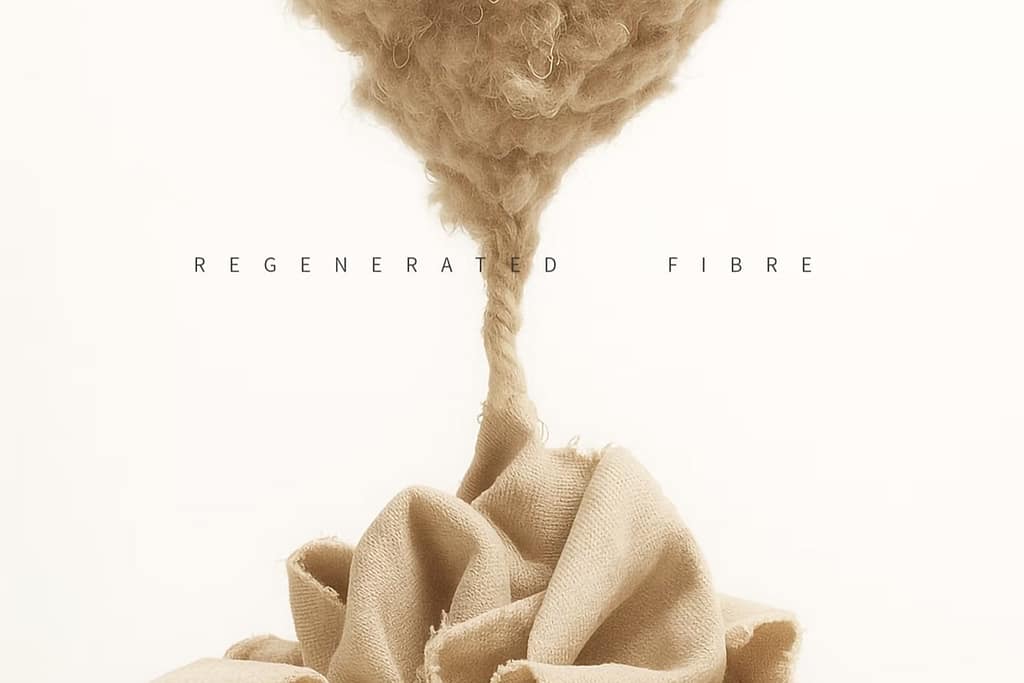
Consumers are increasingly looking for brands that are open about their sourcing and production practices. 80% of consumers say they’re more likely to purchase from brands that share clear, transparent sustainability efforts. Brands that emphasize their ethical practices can build trust and foster long-term loyalty.
Conclusion
Hemp-blended fabrics are positioned to be at the forefront of the sustainable fashion movement. As consumer demand for eco-friendly products rises, hemp blends offer the perfect combination of sustainability and versatility, making them an ideal choice for casual wear across various categories, from activewear to loungewear.
With their natural strength, low environmental impact, and ability to blend seamlessly with other fibers, hemp-blended fabrics represent the future of ethical fashion. Brands that adopt hemp now are not only meeting consumer expectations but also gaining a competitive advantage in an increasingly conscious market.
At GOPHERWOOD, we’re committed to helping brands capitalize on this trend. As a trusted B2B cross-border clothing manufacturer, we provide premium hemp-blended fabrics that meet the growing demand for sustainable and stylish casual wear. Partner with us today to bring eco-friendly, high-quality products to market and stay ahead in the sustainable fashion movement.