Origins of Canvas Fabrics
Canvas has a long history, dating back to ancient times when it was first used for sails and tents due to its strong, durable nature. The word “canvas” itself comes from the Latin word cannabis, referring to hemp, the initial fiber used to make the fabric. In the early days, canvas was primarily made from hemp or flax fibers, making it a strong and reliable material for the maritime industry, particularly for ship sails.
As time progressed, canvas found its way into various cultures and applications. By the 18th century, it was being used in Europe for tarpaulins, tents, and even protective coverings for cargo. The Industrial Revolution in the 19th century led to the widespread use of cotton canvas, which was more readily available and easier to work with than hemp.
Today, while canvas is still used in its traditional forms, modern versions are made from cotton, linen, and synthetic fibers like polyester. This shift has made canvas even more versatile, expanding its use beyond heavy-duty applications to include fashion, home décor, and everyday products.
What Are Canvas Fabrics?
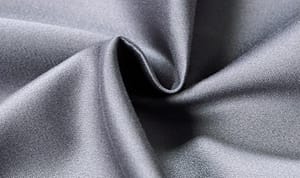
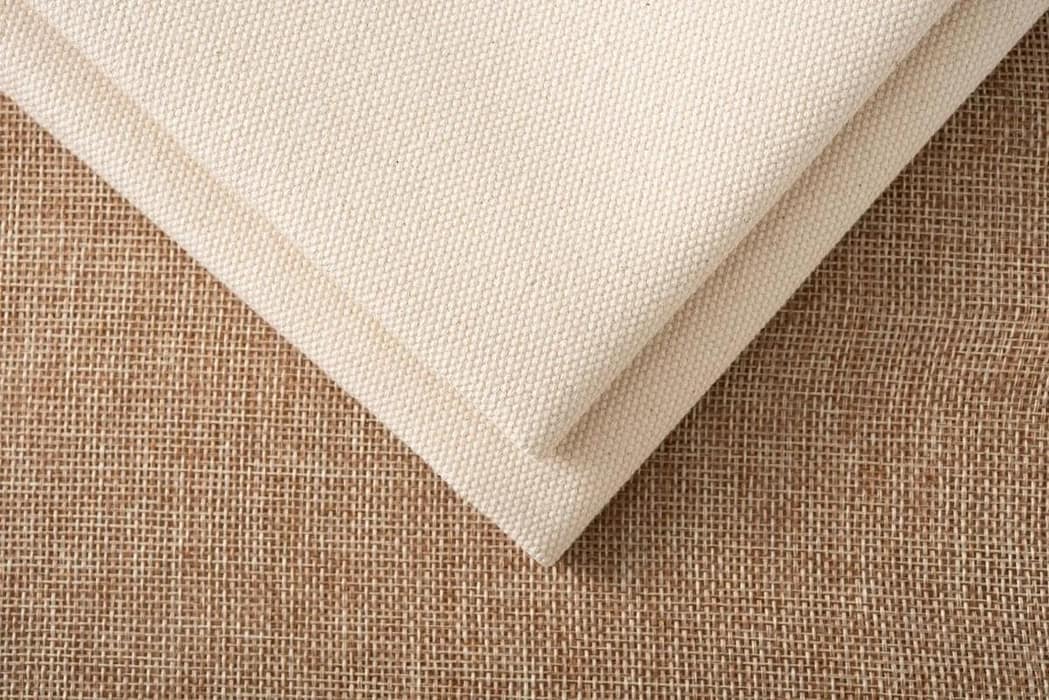
Canvas is a heavy-duty, plain-woven fabric known for its toughness and durability. Traditionally made from natural fibers such as cotton, linen, or hemp, it is now also produced using synthetic fibers like polyester for added strength and water resistance. The tight weave of the fabric, typically created with a simple over-under pattern, gives it its characteristic sturdiness and resistance to tearing.
In terms of weight, canvas is considered a heavyweight fabric, typically ranging from 8 oz to 24 oz per square yard, depending on its intended use. The fabric can vary in texture from smooth and soft to coarse and thick, providing a wide range of options for different applications. Its natural fibers allow for breathability, while treated versions, such as waxed canvas, offer enhanced water resistance.
Canvas is versatile and can be found in various forms, including uncoated, painted, or treated to achieve specific characteristics like water resistance, flame retardance, or UV protection. This adaptability makes it suitable for a wide range of products, from bags and shoes to upholstery and outdoor gear.
Characteristics of Canvas Fabrics
Canvas is known for its durability and adaptability, making it ideal for various applications:
- Durability: The tight weave and weight of canvas make it highly resistant to wear, ideal for heavy-duty items like tents, backpacks, and workwear.
- Versatility: From fashion to outdoor gear, canvas is used in everything from bags and shoes to upholstery and art canvases.
- Breathability: Made from natural fibers like cotton, canvas is breathable, ensuring comfort, especially in clothing and outdoor gear.
- Water Resistance: While not naturally waterproof, canvas can be treated with wax or coatings to enhance water resistance, especially in outdoor products.
- Sustainability: Canvas made from natural fibers like cotton is biodegradable, offering an eco-friendly option compared to synthetic fabrics.
- Color Retention: Canvas holds dyes well, making it available in a wide range of colors and patterns for both fashion and functional uses.
Types of Canvas Fabrics
Canvas comes in various types, each suited to different uses and characteristics. Here are some of the most common types:
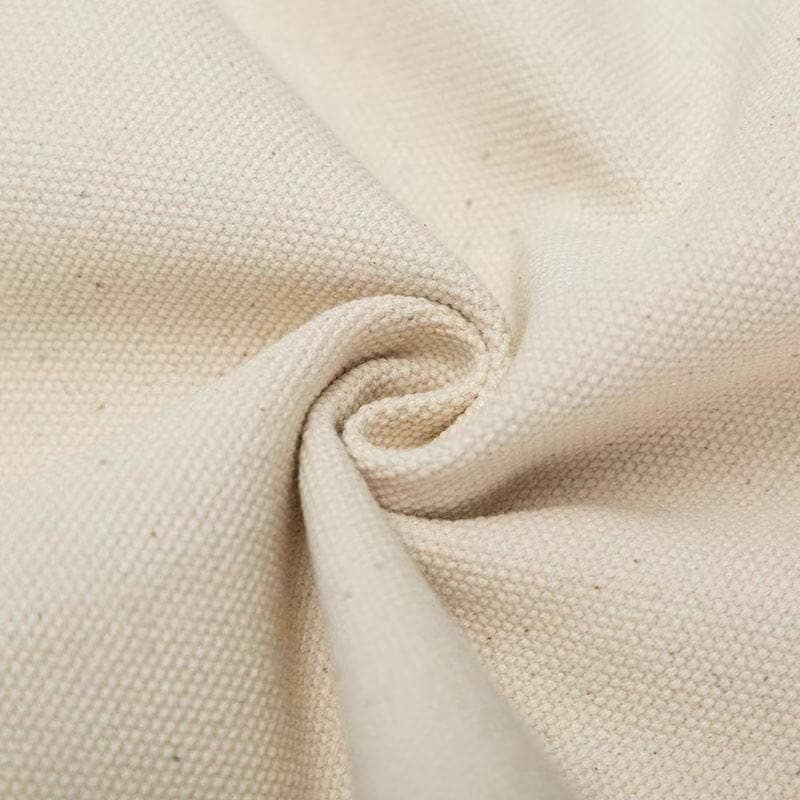
Cotton Canvas: Soft and breathable, cotton canvas is the most common type used in fashion and home décor. It offers a balance of comfort and durability, making it perfect for bags, shoes, and lightweight outdoor gear.
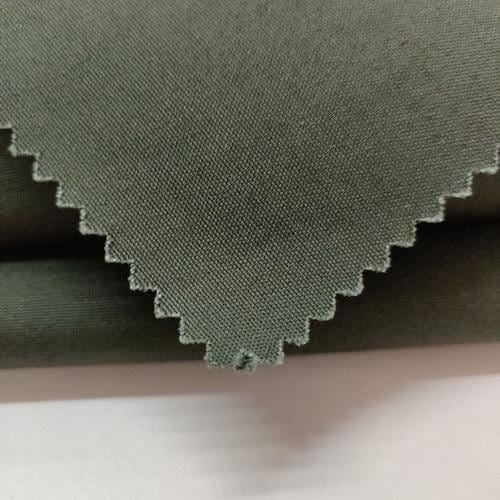
Duck Canvas: Heavier and denser than standard cotton canvas, duck canvas is often used for more rugged applications. Its tighter weave provides extra durability, making it ideal for workwear, tents, and heavy-duty tarps.
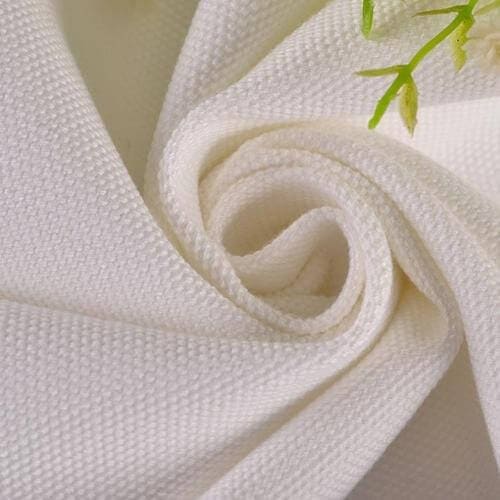
Polyester Canvas: Known for its resistance to water and UV rays, polyester canvas is often used in outdoor furniture, tents, and bags. It is lighter than cotton and more resistant to mildew, making it a popular choice for products exposed to the elements.
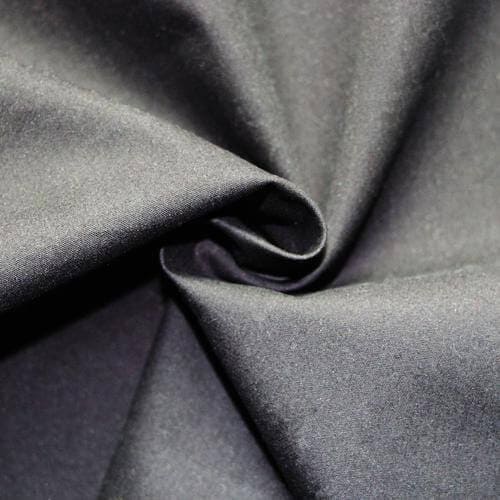
Waxed Canvas: This canvas is treated with wax to make it water-resistant while maintaining its durability. It’s used for bags, jackets, and outdoor gear, offering a rugged aesthetic combined with weather protection.
Each type of canvas has distinct properties suited to different needs, making it a versatile fabric for both practical and stylish applications.
Production Process of Canvas Fabrics
The production of canvas involves several key stages, each contributing to its strength and durability:
| Stage | Description |
|---|---|
| Fiber Selection | Natural fibers like cotton or linen, or synthetic fibers like polyester, are selected based on the desired strength and characteristics. |
| Weaving | The fibers are woven in a tight, plain weave pattern, which enhances the fabric’s durability and creates its characteristic texture. |
| Finishing | The fabric may undergo additional treatments, such as waxing or dyeing, to enhance water resistance, color, or texture. |
These stages ensure that canvas fabrics are both strong and versatile, with variations in finishes providing additional functional benefits like water resistance or increased durability.
Advantages of Canvas Fabrics
Canvas fabrics offer a wide range of benefits, making them a popular choice for both practical and aesthetic uses:
- Strength: Canvas is one of the most durable fabrics available, making it ideal for products that endure heavy use, like backpacks, tents, and workwear.
- Eco-Friendly: Natural canvas made from cotton or linen is biodegradable, making it an environmentally sustainable option compared to synthetic fabrics.
- Customization: Canvas is easy to dye, print, and treat, which allows for versatile designs and adaptations, from custom-printed bags to outdoor gear with specific water-resistant finishes.
- Affordability: Compared to other durable fabrics, canvas is relatively affordable, offering a high-performance option without the high price tag.
- Breathability: Unlike some synthetic alternatives, canvas made from cotton is breathable, ensuring comfort in clothing and outdoor gear.
These advantages make canvas a preferred choice for everything from fashion and home décor to industrial applications.
Disadvantages of Canvas Fabrics
While canvas is highly versatile and durable, it does have a few drawbacks:
- Weight: Canvas is heavier than many other fabrics, which can make it less suitable for lightweight applications like summer clothing or delicate garments.
- Stiffness: New canvas can be stiff and may require a break-in period to soften, especially in items like jackets or bags.
- Wrinkling: Canvas can wrinkle more easily than smoother fabrics, which may require more frequent ironing or steaming to maintain its appearance.
- Maintenance: While generally low-maintenance, canvas can require special care, especially if it is treated (e.g., waxed canvas), as cleaning might affect its water resistance.
Despite these challenges, the benefits of canvas often outweigh the drawbacks, especially for products that need strength, durability, and functionality.
Uses of Canvas Fabrics
Canvas is an incredibly versatile fabric used across a wide range of industries. Its durability and adaptability make it ideal for both functional and aesthetic purposes:
- Fashion: Canvas is popular in apparel and accessories, including jackets, shoes, bags, and hats. Its sturdy nature provides longevity, while it can also be dyed or printed to create fashionable designs.
- Outdoor Gear: Known for its resilience, canvas is commonly used in outdoor products such as tents, backpacks, tarps, and outdoor furniture. Its water-resistant or weatherproofed versions are especially popular in these applications.
- Home Décor: Canvas is often used for upholstery, cushions, curtains, and other decorative items. Its durability and ability to hold color make it a long-lasting material for home furnishings.
- Industrial Uses: From workwear and protective gear to heavy-duty tarps and awnings, canvas is essential in industries that require robust materials to withstand harsh conditions.
- Art: Traditionally used as the surface for oil and acrylic paintings, canvas is still the preferred material for artists due to its strength and texture.
The wide range of uses for canvas highlights its unique combination of durability, flexibility, and practicality.
Care of Canvas Fabrics
Canvas is easy to maintain, but a few care tips can help preserve its durability:
- Washing: Machine wash on a gentle cycle with cold water. Hand wash or spot clean for heavy-duty items like tents.
- Drying: Air dry canvas. Avoid tumble drying to prevent shrinkage and damage.
- Stain Removal: Use mild detergent and a soft cloth for spot cleaning. Test cleaners on small areas first.
- Storage: Keep canvas items in a cool, dry place, and ensure they are completely dry before storage to avoid mildew.
- Waxed Canvas: Spot clean only. Reapply wax as needed to maintain water resistance.
Proper care helps canvas retain its strength and appearance over time.
Future Trends in Canvas Fabrics
As the demand for sustainable and durable materials grows, canvas is evolving to meet new needs and challenges:
- Eco-Friendly Innovations: There is a shift toward using organic cotton, hemp, and recycled fibers in canvas production. This aligns with growing consumer demand for environmentally conscious products.
- Waterproof and Weather-Resistant Treatments: Advanced coatings and treatments are making canvas even more durable and versatile, especially in outdoor gear, furniture, and fashion items.
- Custom and Fashionable Designs: Canvas continues to be a popular choice for custom prints and designs, especially in bags, shoes, and apparel. Its ability to hold vibrant colors and patterns makes it a go-to material for personalized fashion.
- Tech-Enhanced Canvas: Innovations in fabric technology, such as incorporating UV resistance and anti-microbial treatments, are expanding canvas’s functionality in both fashion and industrial applications.
These trends highlight the ongoing adaptability of canvas, ensuring its place in the future of fashion, sustainability, and functionality.
Conclusion
Canvas fabrics have stood the test of time due to their remarkable durability, versatility, and adaptability. From outdoor gear to fashion and home décor, canvas continues to be a reliable choice across various industries. Whether made from natural or synthetic fibers, its strength and long-lasting nature make it a fabric that’s both practical and sustainable.
As innovations in eco-friendly materials and treatments continue, canvas is poised to remain a go-to fabric for both traditional and modern uses. By understanding its history, types, characteristics, and care, we can appreciate why canvas has endured and evolved into the fabric of choice for countless applications.