Origins of Tricot Fabrics
Tricot fabrics have their roots in the development of warp knitting, a technique that dates back to the early 19th century. Initially, warp knitting was used to create fabrics for industrial purposes, but as the technology evolved, it found a place in fashion and apparel.
The term “Tricot” is French in origin, meaning “knitted” or “to knit,” reflecting the method of production. In the 1940s, the fabric began to gain traction in the fashion industry, thanks to its smooth texture and stretch capabilities. Early uses were primarily in lingerie and sportswear, where the combination of comfort and elasticity was highly valued.
Over time, improvements in synthetic fibers, particularly the introduction of nylon and polyester, further enhanced the fabric’s qualities. This made Tricot even more popular in the mid-20th century as a material suitable for both everyday wear and specialized garments. Today, it’s a staple in modern textile production, with continued innovations in its design and applications.
What Are Tricot Fabrics?
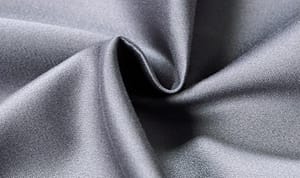
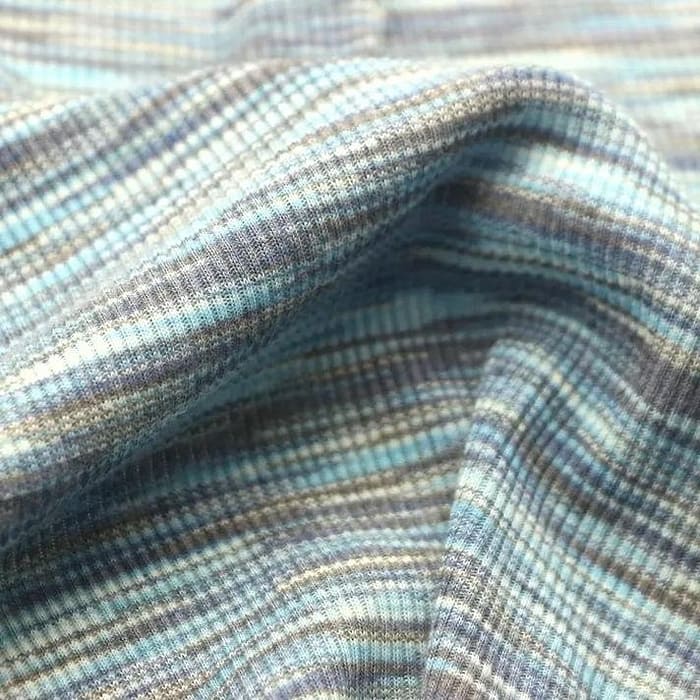
Tricot fabrics are a type of warp-knit fabric, distinguished by their smooth surface and high elasticity. Unlike weft-knitted fabrics, which are made by interlacing horizontal threads, Tricot is created by intertwining vertical threads, allowing it to stretch in both directions. The result is a fabric that’s lightweight yet durable, with a soft feel against the skin.
Made primarily from synthetic fibers like nylon, polyester, or spandex, Tricot is known for its fine texture and smoothness, often resembling satin or silk. It’s commonly used in applications where comfort and flexibility are essential, such as activewear, undergarments, and sportswear.
One of the key features of Tricot is its ability to maintain its shape and stretch without sagging, making it an ideal choice for garments that need to move with the body. It also has a natural drape, which makes it suitable for both form-fitting and loose styles.
Characteristics of Tricot Fabrics
Tricot fabrics are prized for their blend of softness, durability, and flexibility, making them ideal for a variety of applications. Key characteristics include:
- Soft and Smooth: The fabric has a silky texture, providing a comfortable feel against the skin.
- Durable: Despite its softness, Tricot is resistant to wear and maintains its shape over time.
- Stretchable: Tricot stretches in both directions, offering excellent flexibility and a body-contouring fit.
- Lightweight: It’s lightweight and breathable, making it comfortable for all-day wear.
- Smooth Drape: The fabric drapes gracefully, enhancing both form-fitting and loose styles.
These qualities make Tricot an ideal choice for activewear, lingerie, and other garments that need to combine comfort, durability, and flexibility.
Types of Tricot Fabrics
Tricot fabrics come in several variations, each with unique qualities suited for specific applications. Here are some of the most common types:
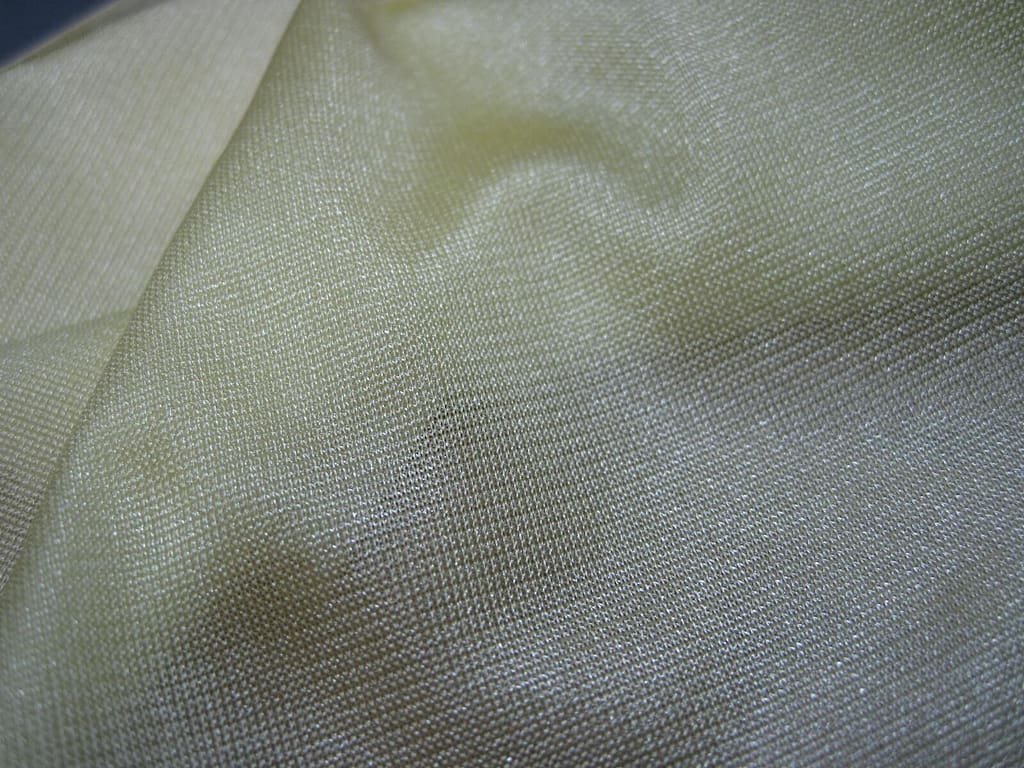
Standard Tricot: The most common form, made from smooth synthetic fibers like polyester or nylon. It’s versatile, lightweight, and perfect for everyday wear, including activewear and loungewear.
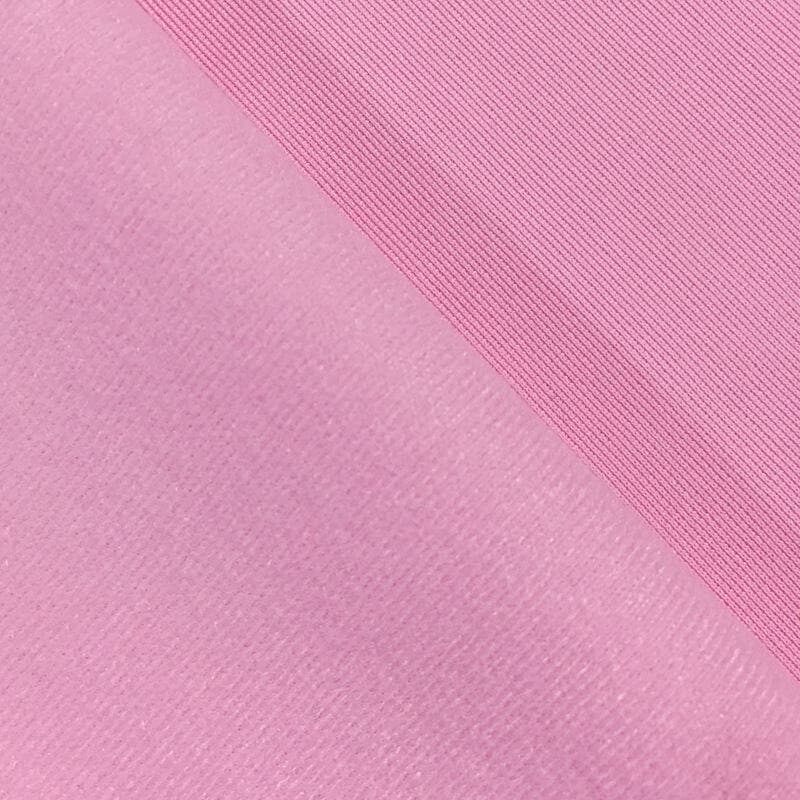
Micro Tricot: A finer version of standard Tricot, made with ultra-thin fibers. It’s soft, lightweight, and often used in intimate apparel or as a lining fabric due to its smooth texture.
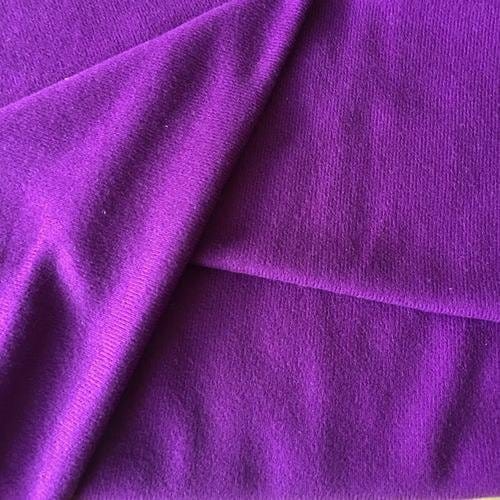
Velvet Tricot: A variation with a plush, velvety finish. This type of Tricot is used for more luxurious garments, such as evening wear or special occasion clothing, thanks to its rich texture and sheen.
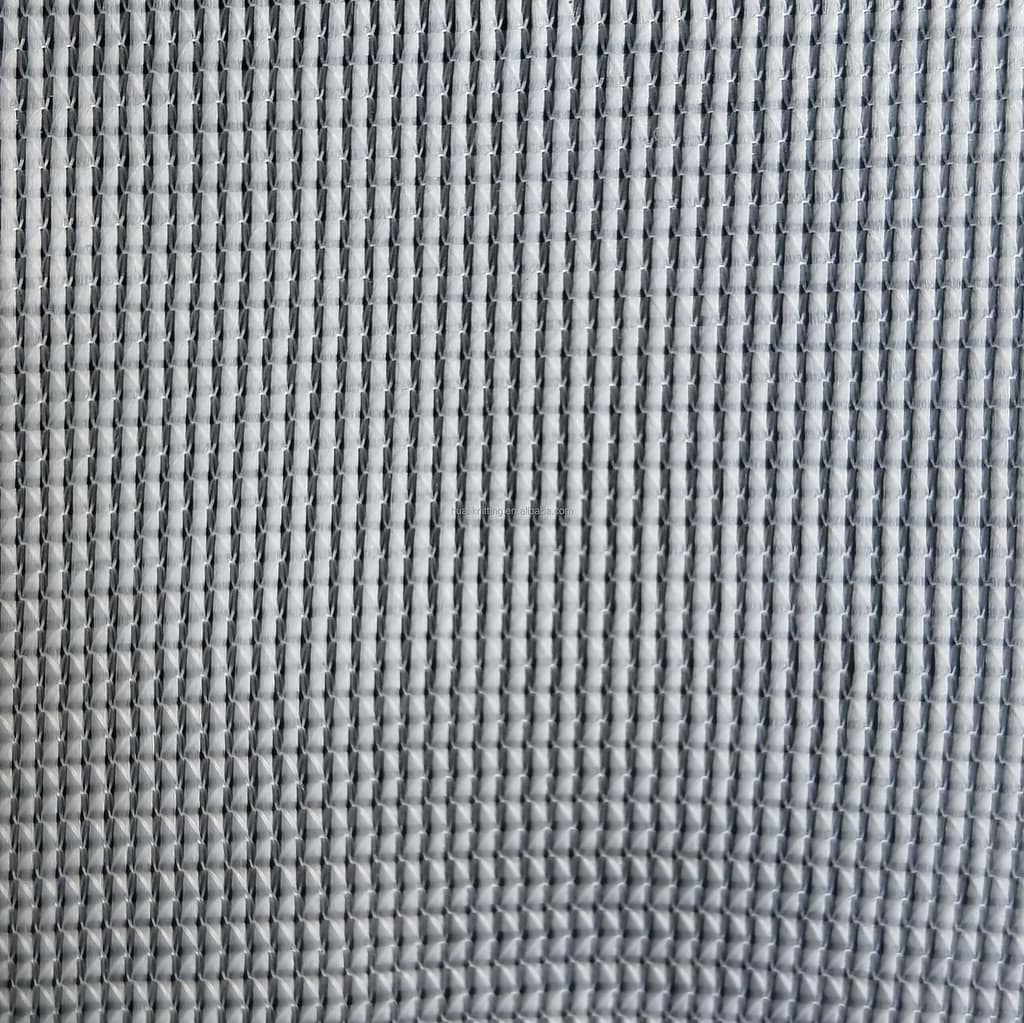
Technical Tricot: Often used for performance fabrics, this type incorporates advanced synthetic fibers designed to offer moisture-wicking, breathability, and enhanced stretch. It’s commonly used in sportswear and athletic garments.
Each type of Tricot offers its own set of advantages, making it suitable for a wide range of uses, from casual clothing to high-performance activewear.
Production Process of Tricot Fabrics
The production of Tricot fabrics involves a unique warp knitting technique that distinguishes it from other knitted fabrics. Below is a detailed overview of the key steps involved in the production of Tricot fabrics:
| Step | Description |
|---|---|
| Yarn Selection | The process begins with selecting synthetic fibers such as nylon, polyester, or spandex. These fibers are chosen for their durability, stretch, and smooth finish. |
| Warp Knitting | Yarn is fed vertically through specialized machines (such as Raschel or Tricot machines), where needles interlock the yarn to create the fabric. This method allows for superior strength and flexibility. |
| Finishing | After knitting, the fabric undergoes finishing treatments, such as dyeing, heat setting, and sometimes texturizing to enhance its texture and appearance. |
| Inspection & Quality Control | The final fabric is inspected for defects, ensuring consistency in quality. Testing may also be done for stretch, durability, and colorfastness. |
Each step in the production process is carefully designed to maintain the key qualities of Tricot fabrics—softness, durability, and elasticity—ensuring it remains a versatile material in both fashion and functional textiles.
Uses of Tricot Fabrics
Tricot fabrics are incredibly versatile and used in a variety of applications, thanks to their softness, stretch, and durability. Below are some of the most common uses:
- Activewear and Sportswear: Tricot’s stretchability and moisture-wicking properties make it ideal for sports apparel, including leggings, gym wear, and performance tops.
- Lingerie and Sleepwear: The smooth, soft texture of Tricot is commonly used for comfortable lingerie, bras, panties, and sleepwear, offering a gentle touch against the skin.
- Swimwear: Tricot is often used in swimwear for its lightweight, flexible, and fast-drying qualities.
- Upholstery and Home Textiles: Some variations of Tricot, such as velvet Tricot, are used for soft, durable upholstery fabrics in furniture and home decor.
- Medical Garments: Tricot’s smoothness and stretchability also make it suitable for medical garments, including compression garments, surgical wear, and other specialty textiles.
Its wide range of uses across fashion, sports, home textiles, and even healthcare demonstrates Tricot’s incredible versatility and utility in modern textiles.
Advantages of Tricot Fabrics
Tricot fabrics offer several benefits that make them a preferred choice in various applications. Here are some of the key advantages:
- Comfort: The soft, smooth texture of Tricot makes it comfortable to wear for extended periods, whether in activewear, lingerie, or everyday clothing.
- Stretch and Flexibility: Tricot’s ability to stretch in both directions ensures a snug, flexible fit that moves with the body, providing comfort and freedom of movement.
- Durability: Tricot fabrics are strong and resistant to wear, ensuring long-lasting performance even with regular use.
- Wrinkle Resistance: Tricot has natural wrinkle resistance, making it low-maintenance and easy to care for.
- Breathability: Despite its smooth texture, Tricot remains breathable, allowing air circulation to keep the wearer cool and comfortable.
These advantages make Tricot an excellent choice for clothing that requires both performance and comfort, from sportswear to intimate apparel.
Disadvantages of Tricot Fabrics
While Tricot fabrics have many advantages, they also have some drawbacks to consider:
- Pilling: Over time, Tricot fabrics can develop small fuzz balls (pills) on the surface, especially with frequent wear and washing, particularly in lower-quality variations.
- Limited Breathability in Some Types: Certain Tricot variations, especially those with added synthetic treatments, may not be as breathable as other fabrics, leading to discomfort in very hot or humid conditions.
- Stretch Over Time: Although Tricot is known for its stretch, excessive stretching over time can lead to the fabric losing its shape, especially in garments that undergo heavy use.
These disadvantages can be mitigated with proper care, but it’s important to be mindful of them when choosing Tricot for specific applications.
Care of Tricot Fabrics
Tricot fabrics are relatively low-maintenance, but proper care is essential to preserve their softness, stretch, and durability. Here are some tips for keeping Tricot fabrics in good condition:
- Washing: Hand wash or machine wash Tricot on a gentle cycle with cold water to prevent damage. Avoid using harsh detergents or bleach, as these can weaken the fibers.
- Drying: Air dry Tricot fabrics by laying them flat or hanging them to dry. Avoid using a tumble dryer, as heat can cause the fabric to shrink or lose its elasticity.
- Ironing: Tricot generally doesn’t require ironing due to its natural wrinkle resistance. However, if necessary, use a low heat setting and a cloth to protect the fabric from direct contact with the iron.
- Storage: Store Tricot garments in a cool, dry place to prevent any potential degradation from heat or humidity. Avoid overcrowding in closets, as this can stretch the fabric out of shape.
By following these simple care instructions, you can extend the life of Tricot fabrics and maintain their appearance and functionality.
Future Trends in Tricot Fabrics
The future of Tricot fabrics is shaped by several exciting trends:
- Sustainability: The rise of eco-friendly Tricot fabrics made from recycled or bio-based fibers is reducing environmental impact.
- Smart Fabrics: Integration of technology, such as moisture-wicking, temperature control, and health-monitoring features, is advancing Tricot’s performance.
- Enhanced Performance: Innovations will improve breathability, durability, and antimicrobial properties, especially for sports and medical applications.
- Fashion Applications: Tricot is increasingly used in high-fashion garments with unique finishes like velvet or metallics, blending comfort with style.
These trends ensure Tricot remains a versatile and evolving fabric for the future.
Conclusion
Tricot fabrics are an exceptional blend of softness, durability, and flexibility, making them a versatile choice for a wide range of applications, from activewear to lingerie. With its unique warp-knit construction, Tricot provides comfort and stretch, while maintaining a smooth, elegant appearance.
As trends continue to evolve, the future of Tricot looks bright with innovations in sustainability, performance enhancement, and fashion integration. Whether for functional or stylish garments, Tricot remains a fabric that adapts to meet the needs of modern consumers, offering both practicality and luxury.