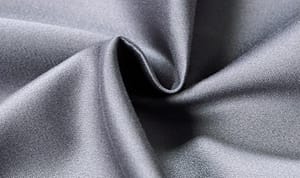

Origins of Cashmere Fabrics
Cashmere fabric traces its origins to the mountainous regions of Mongolia, Tibet, and Kashmir. The name “cashmere” derives from the Kashmir region, where the fabric was historically prized for its warmth and elegance. For centuries, artisans in these areas have perfected the techniques of harvesting and weaving cashmere, creating textiles sought after by royalty and nobility.
The fabric is derived from the soft undercoat of cashmere goats, a breed adapted to harsh climates. These goats grow a fine, insulating layer of hair to withstand freezing temperatures, which is carefully combed or sheared during the molting season. This traditional practice has been passed down through generations, maintaining its cultural and economic significance.
What is Cashmere Fabric?
Cashmere is a natural fiber harvested from the undercoat of cashmere goats. Known for its exceptional softness, cashmere is considered one of the most luxurious fabrics in the world. Unlike regular wool, cashmere fibers are finer, lighter, and smoother, resulting in a silky texture and superior comfort.
What sets cashmere apart is its warmth-to-weight ratio. Despite being lightweight, cashmere provides outstanding insulation, making it ideal for cold climates. Its versatility allows it to be woven into a range of products, from delicate scarves to cozy sweaters, ensuring its enduring appeal across seasons and styles.
Characteristics of Cashmere
- Unmatched Softness: Cashmere fibers are incredibly fine and smooth, giving the fabric its signature softness and luxurious feel.
- Lightweight Yet Warm: Despite being lightweight, cashmere provides exceptional insulation, retaining body heat without feeling heavy.
- Breathable and Moisture-Wicking: Cashmere is highly breathable and can wick away moisture, ensuring comfort in various climates.
- Durable and Resilient: With proper care, cashmere retains its quality and texture for years, making it a worthwhile investment.
- Hypoallergenic: Its natural fibers are less likely to irritate sensitive skin, making it a comfortable choice for many.
These qualities make cashmere an unparalleled fabric in terms of luxury and practicality.
Types of Cashmere Fabrics
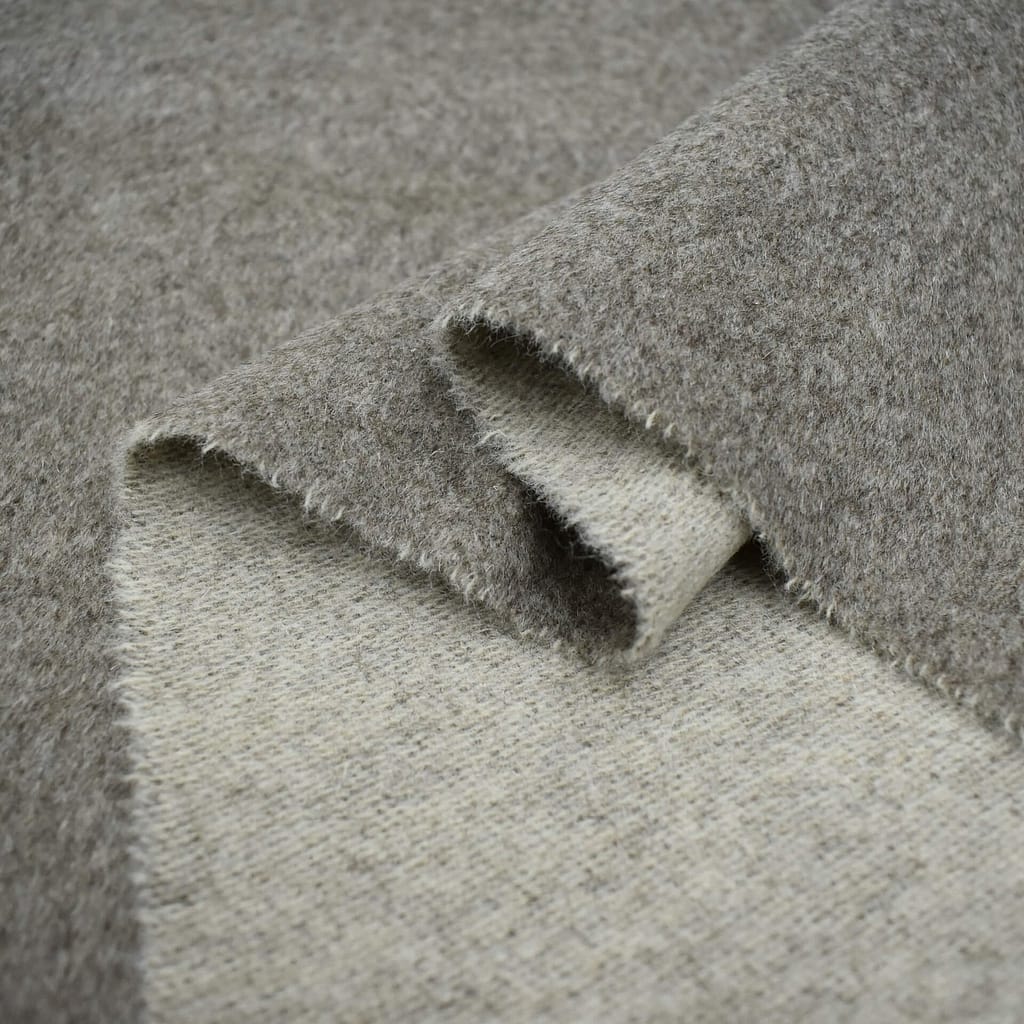
Pure Cashmere: Made entirely from cashmere fibers, this type offers the highest quality and softness. It is often used in premium garments like sweaters, scarves, and coats.
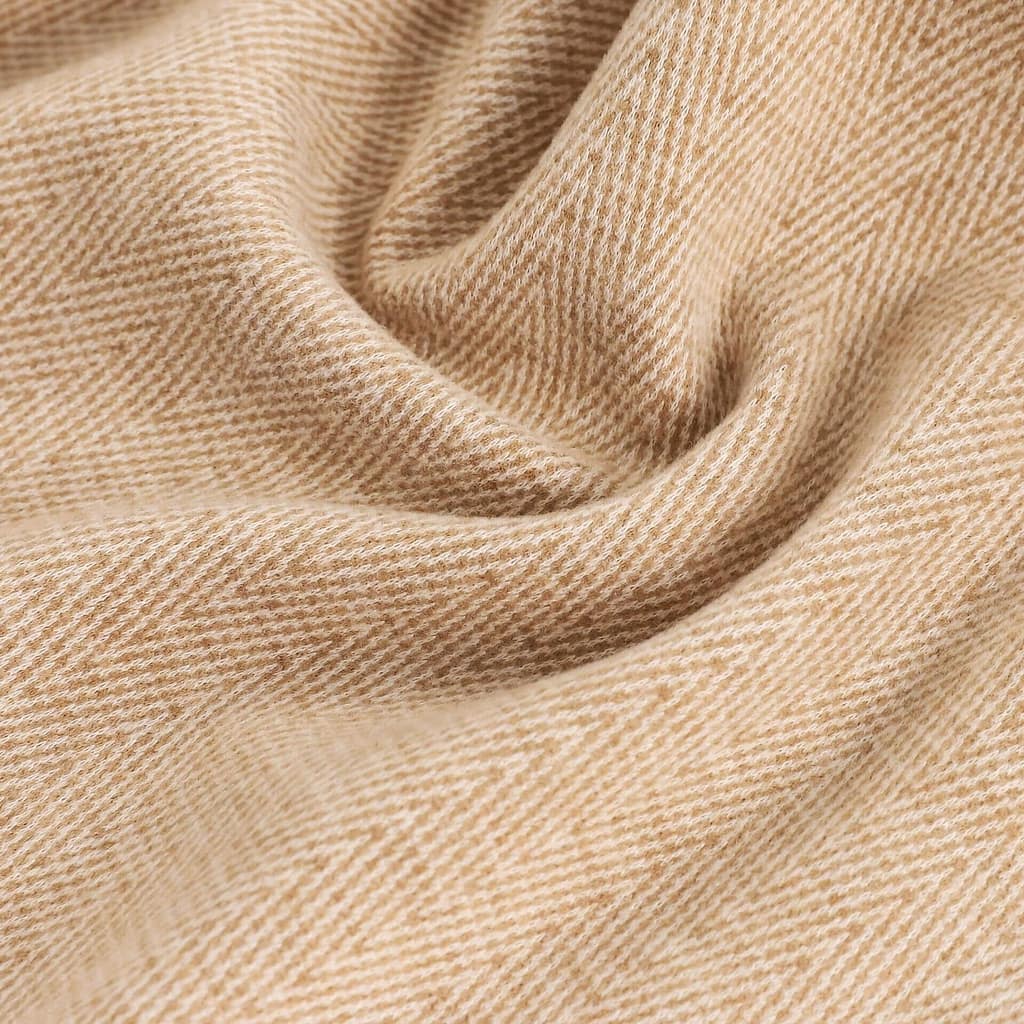
Blended Cashmere: Blended with other fibers like wool, silk, or synthetic materials, this type provides a balance of affordability and durability while maintaining some of cashmere’s softness.
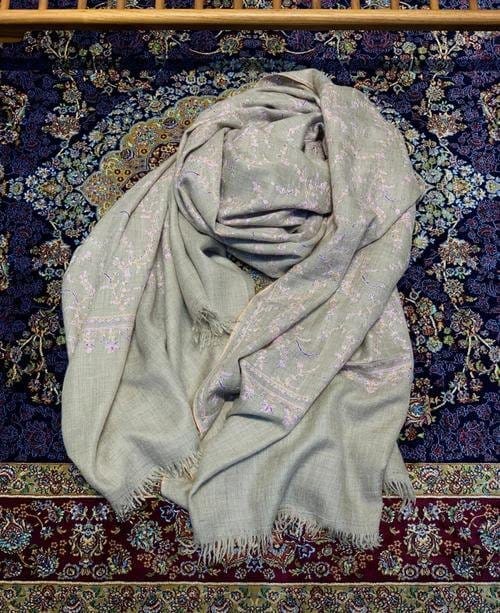
Pashmina: A finer variety of cashmere, often from the Himalayan region, known for its ultra-soft texture and lightweight quality. Pashmina is frequently used for shawls and stoles.
Grade-Based Cashmere: Classified into grades (A, B, C) based on fiber diameter and quality:
- Grade A: The finest, with a diameter of 14-16 microns.
- Grade B: Slightly coarser, around 19 microns, but still soft.
- Grade C: The thickest, at about 30 microns, used for more affordable options.
These types cater to different preferences, ensuring cashmere’s appeal across various markets.
Production Process
The production of cashmere fabric involves multiple meticulous steps to ensure its luxurious quality. Here’s a concise table outlining the process:
| Step | Description |
|---|---|
| Fiber Collection | Soft undercoat is combed or sheared from cashmere goats during the molting season. |
| Sorting and Cleaning | Fibers are sorted to separate fine cashmere from coarser outer hairs, followed by thorough cleaning. |
| Dehairing | Fine fibers are further refined by removing impurities and residual coarse hairs. |
| Spinning | Cleaned fibers are spun into yarn, ensuring strength and uniformity. |
| Weaving or Knitting | The yarn is woven or knitted into fabric, depending on the desired product. |
| Finishing | The fabric undergoes treatments like washing, dyeing, and brushing for enhanced softness and color. |
This intricate process highlights the skill and care required to produce high-quality cashmere fabrics.
Advantages and Disadvantages
Advantages
- Unparalleled Softness: Cashmere’s fine fibers make it one of the softest fabrics available.
- Exceptional Warmth: Lightweight yet insulating, it provides warmth without bulk.
- Breathability: Comfortable in a variety of climates, thanks to its moisture-wicking properties.
- Durability: With proper care, cashmere garments retain their quality for years.
- Elegance and Versatility: A luxurious aesthetic that complements both casual and formal styles.
Disadvantages
- High Cost: Cashmere is expensive due to its labor-intensive production and rarity.
- Delicate Maintenance: Requires gentle handling, specific washing techniques, and proper storage.
- Pilling Issues: Prone to pilling with regular use, especially in lower grades.
- Limited Availability: High-quality cashmere is scarce, contributing to its premium pricing.
The pros of cashmere often outweigh the cons for those seeking luxury and comfort, making it a prized fabric worldwide.
Uses of Cashmere Fabrics
Clothing
- Sweaters and Cardigans: A staple in winter wardrobes, offering warmth and sophistication.
- Scarves and Shawls: Lightweight yet warm accessories ideal for layering.
- Coats and Jackets: Luxurious outerwear that combines style with functionality.
- Dresses and Tops: Often blended with other fibers for lightweight yet elegant garments.
Home Textiles
- Blankets and Throws: Perfect for cozy interiors, providing softness and warmth.
- Cushion Covers: Adds a touch of luxury to home decor with their refined texture.
Cashmere’s versatility extends beyond garments, making it a popular choice in both fashion and home furnishings. Its timeless appeal ensures its place in a variety of high-end applications.
Care of Cashmere Fabrics
Proper care is essential to preserve the softness and longevity of cashmere fabrics. Here are key guidelines:
Washing
- Wash cashmere garments by hand using cold water and a mild detergent. Avoid harsh chemicals and excessive rubbing.
- For machine washing, use a delicate cycle with a garment bag to minimize friction.
Drying
- Gently squeeze out excess water without twisting. Lay the garment flat on a clean towel and reshape it while damp.
- Avoid hanging, as it can stretch the fabric. Keep away from direct sunlight and heat sources.
Storage
- Store in a breathable fabric bag to protect against dust and moths. Use cedar balls or lavender sachets for natural moth prevention.
- Fold cashmere items neatly; avoid hanging them to prevent stretching.
Pilling
- Remove pills gently with a cashmere comb or fabric shaver to maintain a smooth texture.
Following these steps ensures that your cashmere remains soft, durable, and luxurious for years.
Future of Cashmere Fabrics
The future of cashmere is shaped by innovations in sustainability and ethical sourcing. As consumers become more environmentally conscious, brands are adopting practices that prioritize the well-being of cashmere goats and the communities involved in production.
Efforts include the use of regenerative grazing techniques to prevent overgrazing and certification programs that ensure humane treatment of animals. Additionally, recycled cashmere is gaining traction, offering an eco-friendly alternative without compromising on quality. Technological advancements in production are also reducing waste and increasing efficiency.
These trends ensure that cashmere remains a luxurious and sustainable choice for future generations.
Conclusion
Cashmere fabrics have long been celebrated for their unmatched softness, exceptional warmth, and timeless elegance. From their origins in the rugged mountains of Asia to their modern-day applications in fashion and home textiles, cashmere remains synonymous with luxury.
As the industry embraces sustainability and innovation, cashmere continues to redefine itself while maintaining its classic appeal. Whether in a cozy sweater, an elegant scarf, or a warm blanket, cashmere offers a touch of sophistication that stands the test of time.