Origins of Satin Fabrics
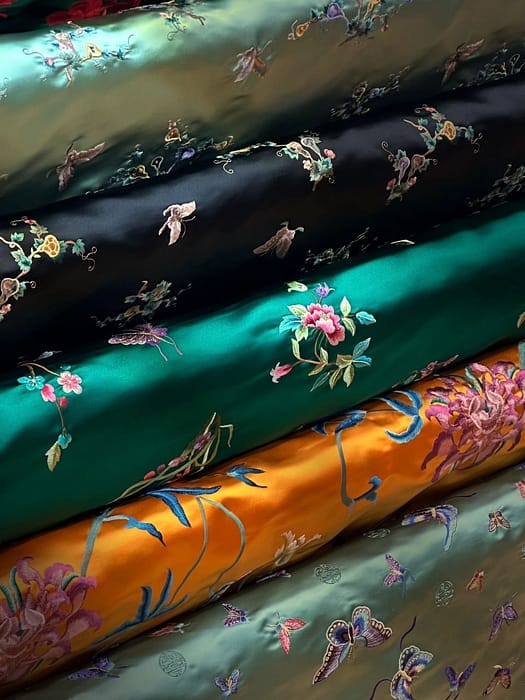
Satin originated in ancient China during the Middle Ages, with its name derived from the port city of Quanzhou, historically known as “Zaitun” by Arab traders. Initially crafted from silk, satin was highly prized and traded along the Silk Road, making its way to Europe where it became synonymous with luxury and exclusivity.
During the Renaissance, satin was a favorite among royalty and the elite, often used for elaborate gowns, robes, and upholstery. Over time, advancements in textile production made satin more accessible, with modern versions crafted from various fibers like polyester and acetate, ensuring its continued popularity worldwide.
What is Satin Fabrics?
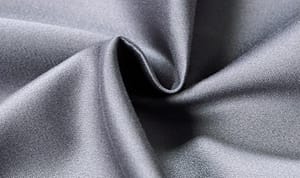
Satin is not a fiber but a type of weave that produces a fabric with a glossy surface and a dull back. This weave structure is created by floating warp or weft threads over several threads before interlacing, resulting in the characteristic smooth and shiny finish.
Unlike plain or twill weaves, satin prioritizes appearance and texture, offering a luxurious sheen and a soft drape. Satin can be made from a variety of fibers, including silk, polyester, and acetate, with each material influencing the final look and feel of the fabric.
Characteristics of Satin Fabrics
Satin fabrics are celebrated for their:
- Smooth Texture: A hallmark of satin is its silky, soft surface that feels luxurious to the touch.
- Glossy Finish: The unique weave creates a reflective surface, giving satin its signature shine.
- Drapability: Satin’s fluidity allows it to drape beautifully, making it ideal for garments and décor.
- Variety: Available in different weights and compositions, satin can range from lightweight charmeuse to heavier duchess satin.
However, satin fabrics are prone to snagging and require careful handling to maintain their aesthetic appeal.
Types of Satin Fabrics
Satin fabrics come in a variety of types, each suited for specific uses:
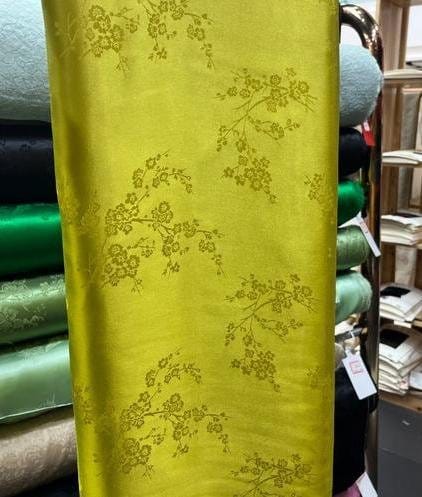
Silk Satin: Made from pure silk, this luxurious satin is prized for its natural sheen and softness, historically linked to high-end fashion and royal garments.
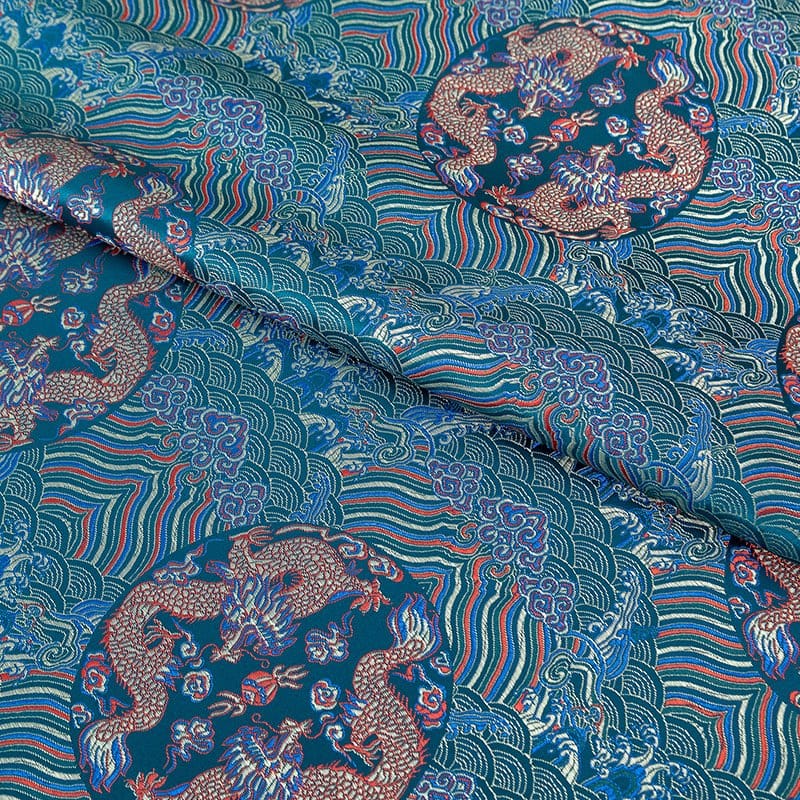
Brocade Satin (Cloud Brocade): Features intricate patterns woven into the fabric, often used in ceremonial attire and upholstery.
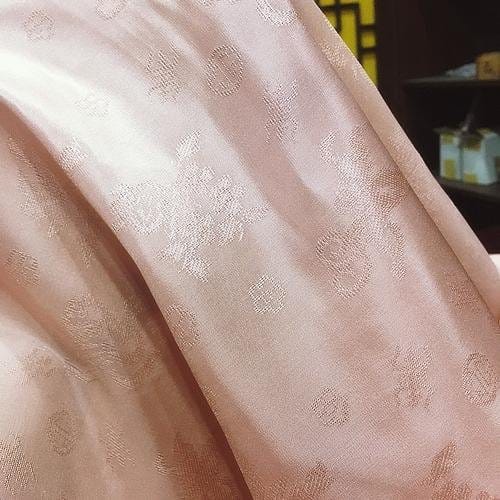
Luo Satin: A traditional Chinese satin characterized by its lightweight and smooth texture, ideal for delicate garments.
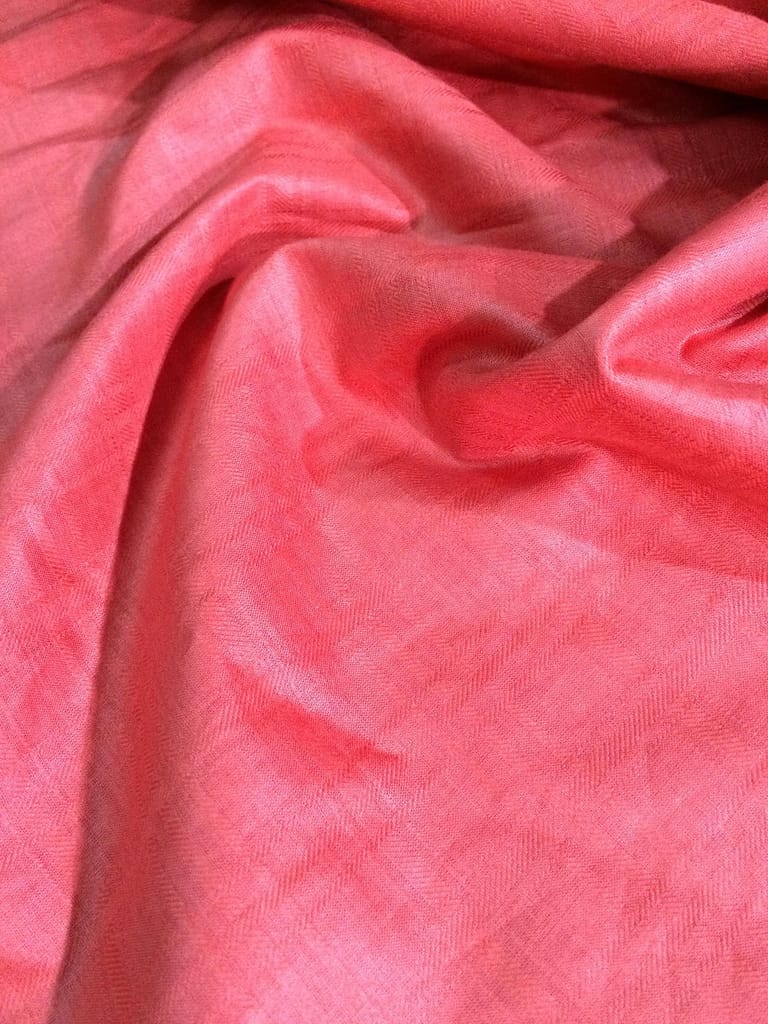
Yarn-Dyed Satin: Made with pre-dyed yarns, this satin often showcases vibrant colors and patterns.
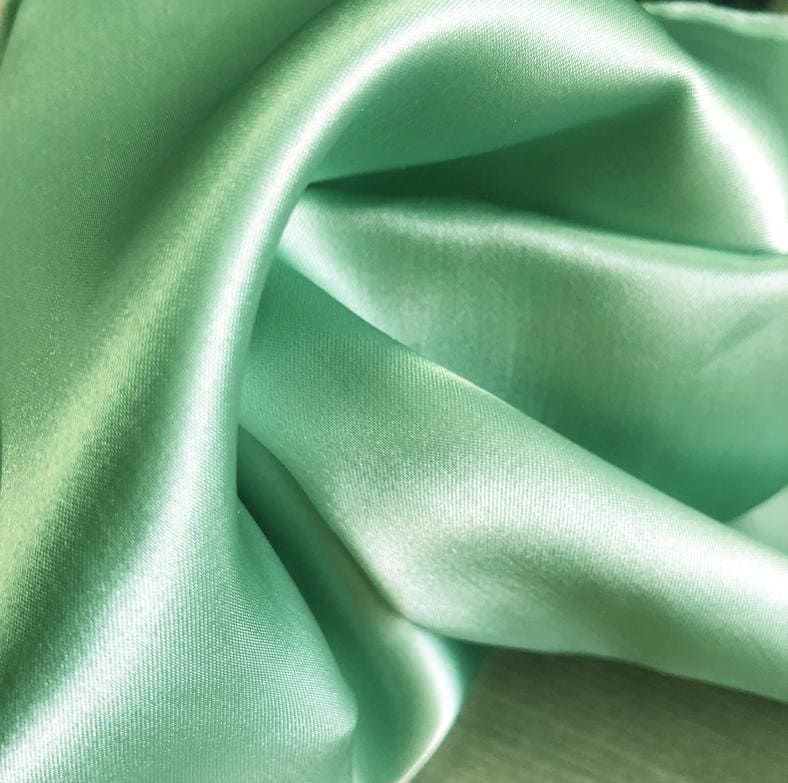
Synthetic Satin: Includes polyester and acetate satin, offering a cost-effective and durable alternative to silk.
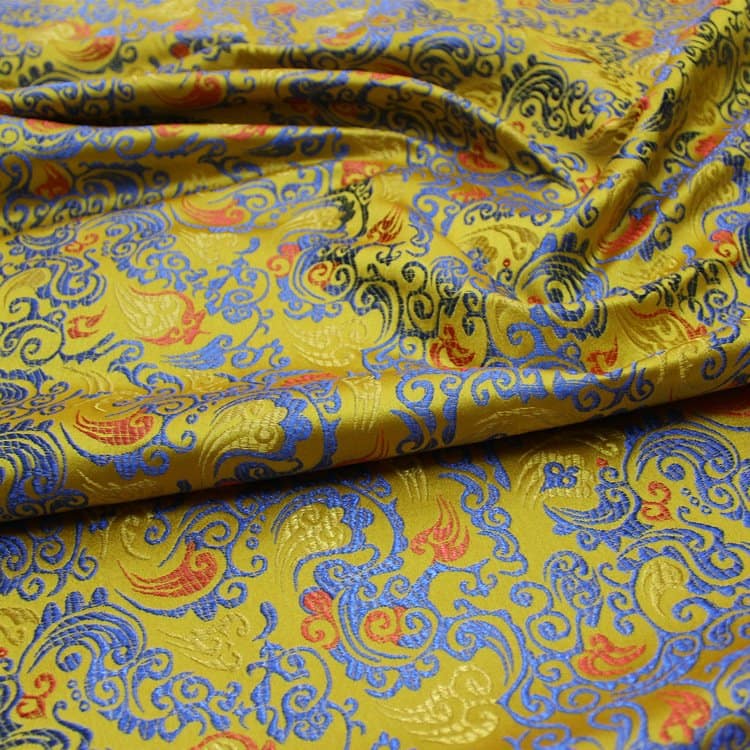
Antique Satin: Known for its textured finish, often crafted from uneven yarns, making it a popular choice for drapery.
Each type brings unique qualities, making satin adaptable for various applications in fashion and beyond.
Production Process
The production of satin fabric begins with the weaving technique that distinguishes it from other fabrics. Here’s a breakdown of the steps involved in creating satin:
- Yarn Selection: Satin can be made from various fibers such as silk, polyester, acetate, and nylon. The choice of fiber affects the fabric’s final texture and appearance.
- Weaving Process: The hallmark of satin is its weave. In satin weaving, the warp threads (vertical threads) pass over several weft threads (horizontal threads) before interlacing with one. This creates a smooth surface that reflects light, resulting in the glossy finish.
- Dyeing: Once woven, satin fabrics are often dyed to achieve vibrant or rich colors. The dyeing process may be done before or after weaving, depending on the desired outcome.
- Finishing: After weaving and dyeing, satin undergoes finishing treatments. These can include processes like calendering (a type of pressing) to enhance its shine or adding a special coating to improve durability.
Satin’s production requires careful attention to detail at each stage to maintain its luxurious appearance and texture.
Advantages and Disadvantages
Advantages:
- Luxurious Appearance: Satin’s smooth, glossy surface gives it a rich, high-end look, making it a popular choice for formalwear and evening gowns.
- Soft Texture: The fabric feels smooth and gentle against the skin, offering a luxurious wearing experience.
- Drapability: Satin has excellent drape, making it ideal for garments that require fluid movement, such as dresses and skirts.
- Versatility: Available in various weights and types, satin can be used for a wide range of applications, from fashion to home décor.
Disadvantages:
- Prone to Snags and Wrinkles: Due to its smooth surface, satin is susceptible to snags, especially when it comes into contact with rough or abrasive surfaces.
- Delicate Care: Satin requires special care when washing, often needing dry cleaning or hand washing to preserve its sheen and texture.
- Slipperiness: Its slippery nature can make it difficult to sew, as the fabric can shift easily during construction.
Uses of Satin Fabrics
Satin fabrics are widely used across multiple industries, offering versatility in both fashion and home décor.
- Fashion: Satin is a popular choice for evening wear, bridal gowns, lingerie, and prom dresses due to its elegant drape and luxurious sheen. It is also used for accessories like neckties, scarves, and headbands.
- Home Décor: Satin is frequently used for curtains, upholstery, bedding, and pillow covers. Its glossy appearance adds a touch of sophistication to interior spaces.
- Costumes and Special Occasions: Satin’s reflective quality makes it ideal for theatrical costumes, luxury robes, and celebratory wear such as sashes and banners.
- Activewear: Satin stretch is often used for activewear and athletic gear, providing both comfort and a high-gloss finish.
The versatility of satin ensures it remains a staple in both the fashion and interior design industries.
Care and Maintenance
Satin fabrics require delicate care to maintain their luxurious appearance and texture. Here are some tips for proper maintenance:
- Washing: Depending on the material (silk, polyester, etc.), satin may require hand washing or dry cleaning. For synthetic satins like polyester, machine washing on a gentle cycle may be acceptable, but always check the fabric care label.
- Storage: Store satin garments in a cool, dry place, away from direct sunlight to prevent fading. Use padded hangers for clothing to avoid misshaping the fabric.
- Ironing: If necessary, iron satin on a low setting, preferably with a cloth between the iron and the fabric to prevent scorching. For delicate satins like silk, use a steamer to remove wrinkles gently.
- Stain Removal: Address stains promptly. Use a mild detergent for hand washing and avoid harsh chemicals that could damage the fabric’s sheen. For tougher stains, professional cleaning may be required.
Proper care ensures that satin maintains its softness, sheen, and overall elegance for years to come.
Conclusion
Satin fabrics embody luxury, elegance, and versatility. With their smooth texture and glossy finish, they continue to be a favored choice in high-fashion garments, formalwear, and home décor. While satin offers unparalleled beauty and drape, it does require careful handling to preserve its appearance.
From its historical roots in ancient China to its modern-day applications, satin remains a timeless fabric that adds sophistication to any setting. Whether for a special occasion or as part of everyday elegance, satin fabrics will always hold a place in the world of luxury textiles.