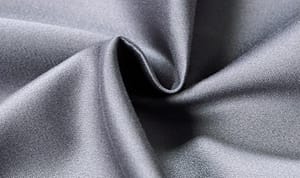

Origin of Mesh Fabrics
The history of mesh fabrics dates back to ancient times, when woven nets and loosely woven textiles served practical needs for hunting, fishing, and protection. These early forms of mesh were primarily made from natural fibers such as cotton, silk, or flax, designed for strength and flexibility. The development of synthetic fibers in the 20th century—particularly nylon and polyester—revolutionized mesh fabric production, enabling stronger, lighter, and more versatile textiles. This innovation led to the rise of mesh in various industries, from athletic wear to industrial applications, making it a preferred material for its breathability and resilience.
Today, mesh fabrics continue to evolve, incorporating advanced materials and technology to meet diverse modern demands.
What is Mesh Fabric?
Mesh fabric is a lightweight, open-weave textile that features a grid-like pattern of small holes. This unique structure promotes airflow and moisture wicking, making it highly breathable and quick-drying. Typically crafted from synthetic fibers like polyester, nylon, and spandex, mesh can be produced through weaving or knitting techniques, each offering variations in texture, stretch, and strength.
The fabric’s design and materials make it flexible yet durable, suitable for a wide range of uses where ventilation, comfort, and resilience are needed, such as sportswear, fashion, medical products, and industrial applications. Mesh fabrics can also vary in density, thickness, and hole size, allowing them to be customized for specific functions, from sheer overlays in fashion to strong, supportive materials in gear and accessories.
Characteristics of Mesh Fabrics
Mesh fabrics are known for several key characteristics that make them versatile and practical:
- Breathability: The open-weave design allows air to circulate, keeping the wearer cool and comfortable.
- Lightweight: Mesh fabrics are typically light, adding minimal bulk to garments or products.
- Quick-Drying: The structure and materials often promote rapid drying, making mesh ideal for athletic and outdoor wear.
- Flexibility: Synthetic fibers like spandex can add stretch, enhancing the fabric’s comfort and fit.
- Durability: While lightweight, synthetic mesh can withstand regular wear and tear, especially in high-performance and industrial applications.
- Transparency: Depending on weave density, mesh fabrics can range from sheer to more opaque, adding style options in fashion.
These qualities make mesh fabrics an ideal choice for applications that require comfort, ventilation, and durability.
Types of Mesh Fabrics
Mesh fabrics come in a variety of types, each suited to different applications based on their structure, texture, and material. Some common types include:
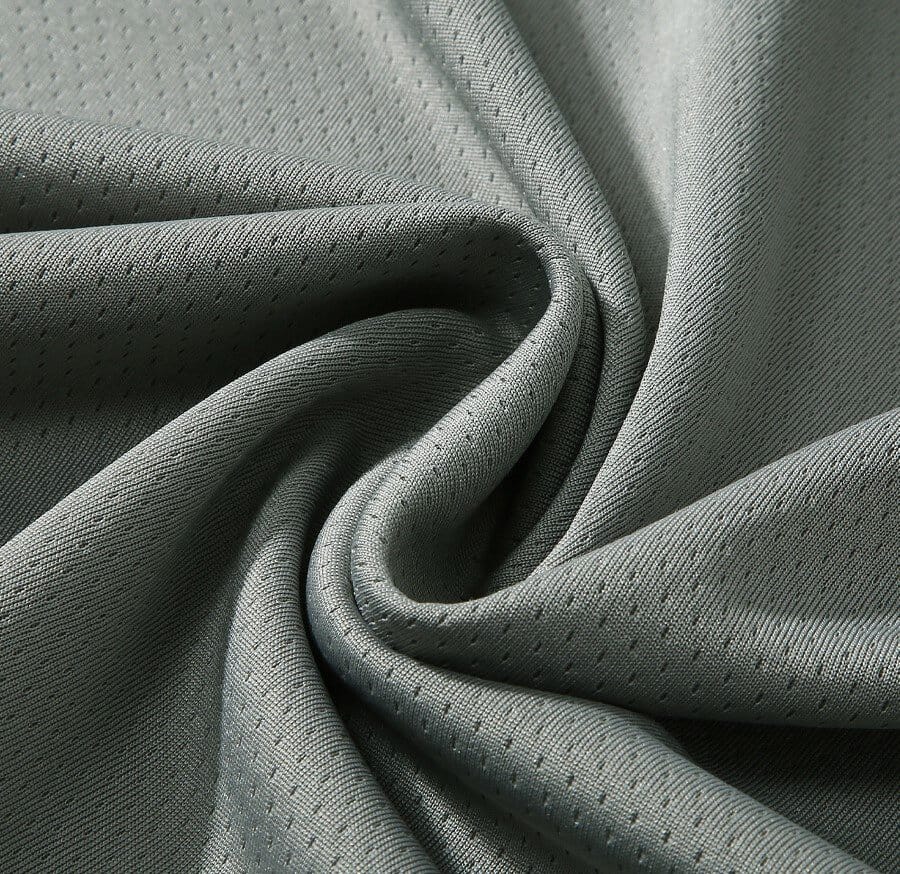
Polyester Mesh: Known for its durability, resistance to wrinkles, and moisture-wicking properties, polyester mesh is commonly used in sportswear, activewear, and uniforms.
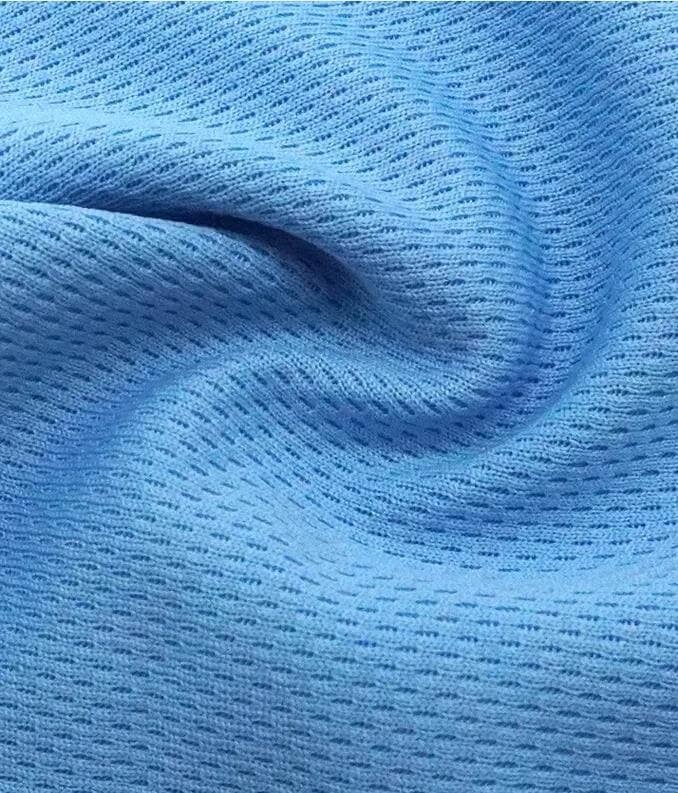
Nylon Mesh: Lightweight and strong, nylon mesh offers excellent stretch and resilience, making it ideal for both fashion and functional purposes, such as in bags and outdoor gear.
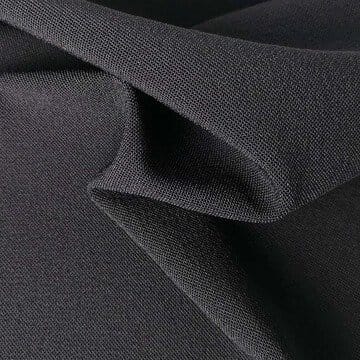
Power Mesh: This type of mesh is highly elastic and is often used in shaping garments, such as corsets or compression wear, due to its ability to provide support and smoothness.
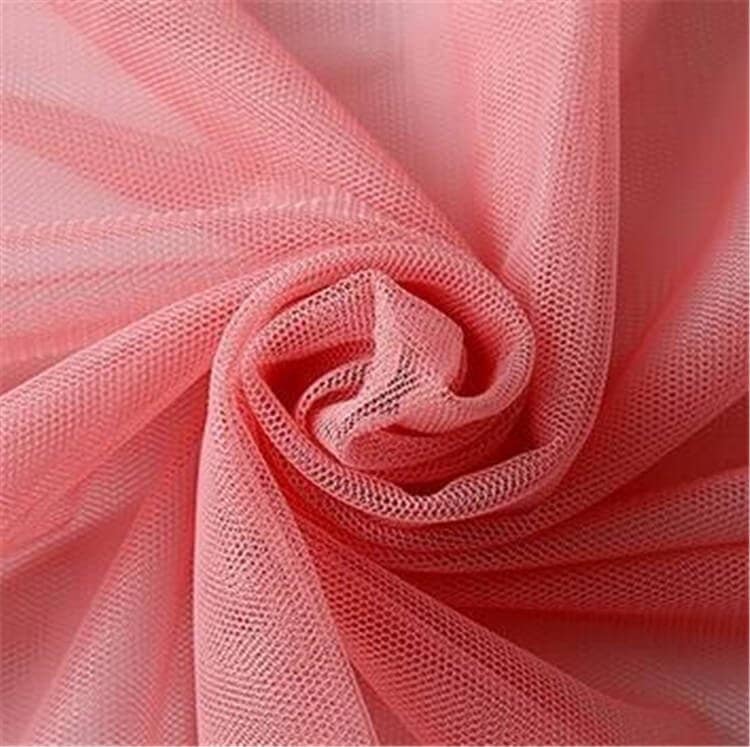
Tulle Mesh: A softer, finer mesh used in fashion, particularly for delicate overlays in dresses, veils, and decorative accessories. It is lightweight and often made from nylon or silk.
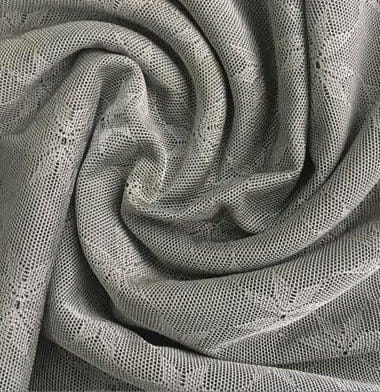
Metallic Mesh: Made with metallic fibers, this mesh has a stylish, rigid look and is frequently used in fashion and accessories, adding a bold, shimmering effect.
Each type of mesh fabric offers unique features suited to different needs, from fashion design to industrial use.
Production Process of Mesh Fabrics
The production of mesh fabrics involves several key steps that vary depending on the material and desired properties.
| Step | Description |
|---|---|
| Material Selection | Choose fibers like polyester, nylon, or spandex, based on desired strength, flexibility, and texture. |
| Weaving or Knitting | Weaving: Threads interlace at right angles to form a grid structure. Knitting: Loops of yarn are interlocked to create flexible, stretchy fabric. |
| Finishing | After fabric creation, treatments like dyeing, heat-setting, or coating are applied for enhanced properties (e.g., strength, color fastness). |
| Customization | Mesh fabric is tailored with varying hole sizes, thicknesses, and textures to meet specific needs, such as sheer tulle or thick industrial mesh. |
Advantages and Disadvantages
Advantages:
- Breathability: The open-weave structure allows for excellent airflow, making mesh fabrics ideal for warm weather and athletic wear.
- Lightweight: Mesh is typically very light, making it comfortable for extended wear without adding bulk.
- Quick-Drying: Mesh fabrics dry faster than many other textiles, which is perfect for active and outdoor environments.
- Flexibility: Many mesh fabrics, especially those made with spandex or elastane, offer stretch, improving fit and comfort.
- Versatility: From fashion to industrial use, mesh fabrics are adaptable to a variety of applications, such as sportswear, medical products, and accessories.
Disadvantages:
- Limited Insulation: Mesh fabrics provide little warmth, making them unsuitable for colder climates without additional layers.
- Durability Issues: Some mesh fabrics, particularly lighter and finer ones, may wear out or tear more easily with prolonged use.
- Transparency: Depending on the weave, mesh can be see-through, which may not be desirable in certain settings or for some garments without added lining.
Uses of Mesh Fabrics
Mesh fabrics are highly versatile and are used across various industries for their breathable, lightweight, and flexible properties:
- Fashion: Mesh is popular in sportswear, activewear, and casual clothing. It’s also used in fashion for sheer overlays, decorative elements, and accessories such as bags and hats.
- Athletics: Mesh fabrics are commonly found in jerseys, shorts, and footwear, where breathability and moisture-wicking properties are essential for comfort during physical activities.
- Medical: Mesh is used in medical applications such as surgical implants (e.g., hernia mesh), wound dressings, and supports due to its durability and flexibility.
- Industrial: In the industrial sector, mesh fabrics are used for air filters, screens, protective gear, and tents, offering strength and ventilation.
- Home Decor: Mesh is also found in household items like laundry bags, curtains, and storage baskets due to its light, breathable nature.
Caring for Mesh Fabrics
Mesh fabrics require specific care to maintain their structure and durability:
- Washing: Most mesh fabrics, particularly those made from synthetic fibers, can be machine washed on a gentle cycle. It’s best to use a mesh laundry bag to prevent snagging or damage.
- Drying: Air drying is recommended for mesh fabrics to avoid shrinkage or weakening of the fibers. If using a dryer, use a low heat setting to prevent heat damage.
- Ironing: Mesh fabrics generally do not require ironing, but if needed, use a low-temperature setting or place a cloth between the fabric and iron to protect it.
- Storing: Store mesh fabrics in a cool, dry place. Avoid folding tightly to prevent creases and ensure the fabric retains its shape.
Note: Always check the care instructions specific to the fabric type, as some mesh materials may require different handling based on their composition.
Future Trends in Mesh Fabrics
Mesh fabrics are evolving with trends like:
- Sustainability: More eco-friendly materials, including recycled fibers, are being used.
- Smart Fabrics: Integration of technology for temperature control and health monitoring.
- Advanced Textiles: New mesh variations offering features like UV protection and moisture resistance.
- Fashion Innovation: Designers are experimenting with mesh patterns and hybrid materials for more stylish, functional garments.
The future of mesh fabrics looks bright, with ongoing innovation expanding its uses.
Conclusion
Mesh fabrics are a versatile and functional material with a rich history and broad applications in fashion, sports, medical, and industrial sectors. Their breathable, lightweight nature makes them ideal for a variety of uses, while ongoing innovations promise even greater potential in the future. Whether used for comfort, performance, or style, mesh fabrics continue to play a vital role in modern textiles, adapting to new trends and technological advancements.