
Origin of Taffeta Fabrics
Taffeta fabric traces its origins back to Persia (modern-day Iran), where it was first woven from silk. The name “taffeta” comes from the Persian word “taftah,” meaning “twisted woven.” Initially, it was a luxurious fabric reserved for royalty and the elite due to its smooth texture and shimmering appearance.
Today, taffeta is primarily made from synthetic fibers such as polyester, acetate, and nylon, making it more affordable and accessible. However, traditional silk taffeta is still valued for its luxurious feel and lustrous finish, particularly in high-end fashion and bridal garments.
What is Taffeta Fabric?
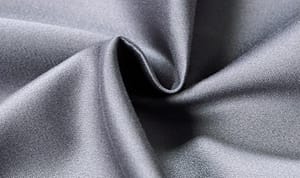
Taffeta is a fine, crisp fabric known for its smooth surface and lustrous sheen. It is made using a plain weave, where the threads are woven in a simple over-and-under pattern, giving the fabric a smooth finish. The result is a stiff, structured fabric that holds its shape well, making it particularly popular for formal garments such as evening gowns, wedding dresses, and ball gowns.
The fabric is lightweight but has a firm texture that feels slightly crisp or “crinkly” when handled. This distinct characteristic allows taffeta to maintain volume and shape, which is why it’s often used in designs that require fullness or structure. When moved, taffeta produces a subtle rustling sound due to its stiffness.
Traditionally made from silk, taffeta was a luxury fabric reserved for royalty and the elite. Today, synthetic fibers like polyester, acetate, and nylon are commonly used to make taffeta, offering a more affordable, durable alternative. Despite the shift to synthetics, silk taffeta remains a prized material, especially for high-end fashion and bridal wear.
Characteristics of Taffeta Fabrics
Taffeta is prized for several distinct characteristics that make it stand out in both fashion and décor:
- Crisp Texture: Taffeta has a firm, crisp feel that holds its shape well, making it ideal for structured garments and accessories.
- Lustrous Surface: Known for its high sheen, taffeta reflects light beautifully, giving it an elegant, glossy appearance perfect for formalwear.
- Lightweight yet Stiff: Taffeta is lightweight but still offers a certain rigidity, creating volume and body without adding much weight.
- Distinct Sound: When handled, taffeta produces a characteristic rustling sound due to its tightly woven structure.
- Prone to Wrinkling: While durable, taffeta can wrinkle easily, especially in silk varieties, requiring careful handling and occasional pressing.
These qualities make taffeta a unique and versatile fabric, valued for its elegance and ability to elevate both fashion and décor.
Types of Taffeta Fabrics
Taffeta fabrics come in several types, each offering distinct qualities and uses:
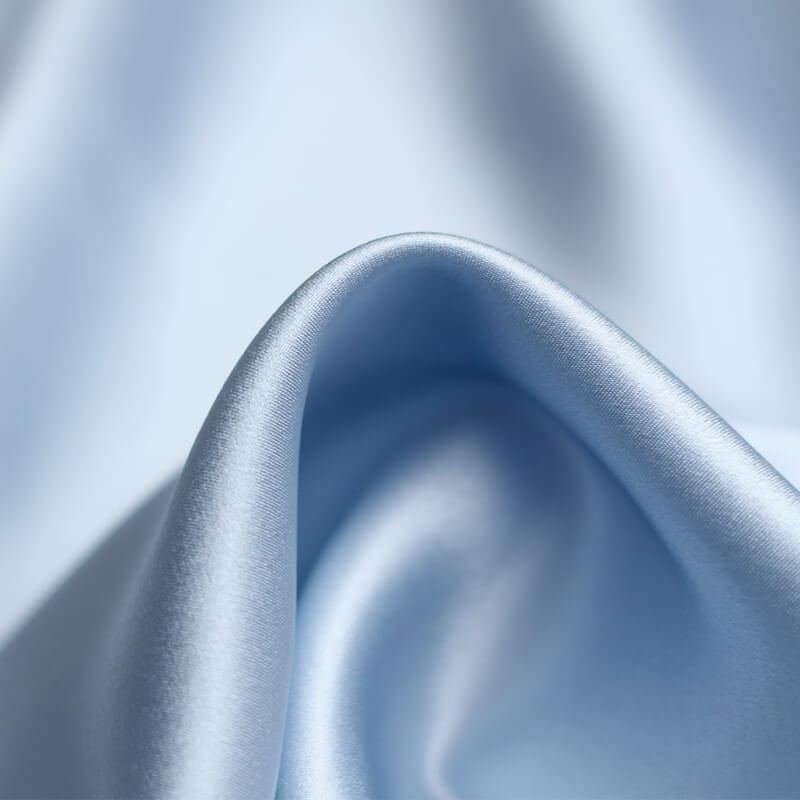
Silk Taffeta: The traditional, luxurious version of taffeta, known for its soft feel, high sheen, and slightly higher cost. Silk taffeta is often used in premium eveningwear and bridal attire.
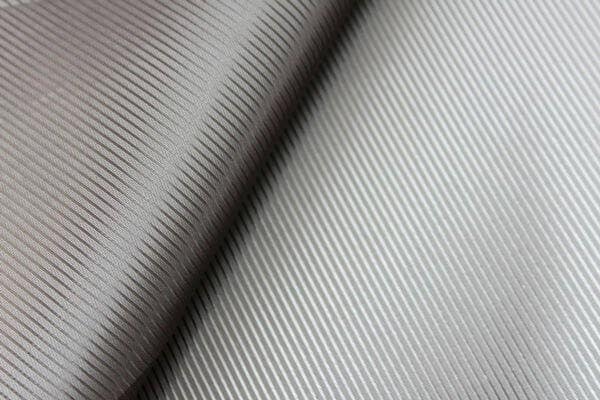
Polyester Taffeta: Made from synthetic fibers, this type is more affordable and durable than silk taffeta. It resists wrinkles better and is used in both fashion and home décor items like curtains and lining.
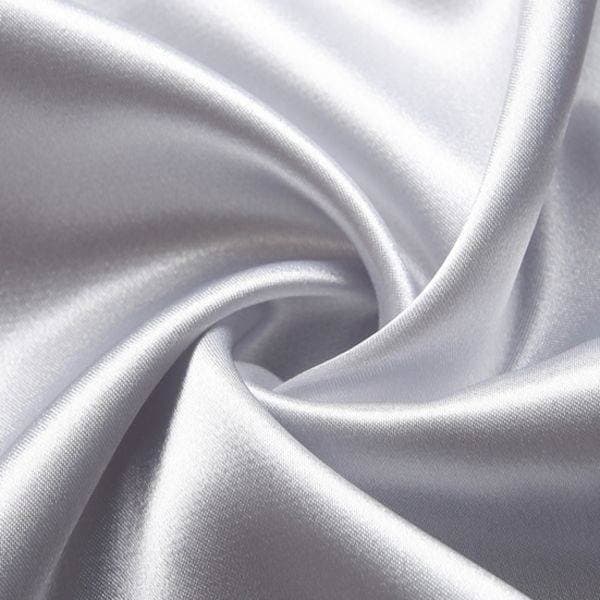
Acetate Taffeta: Similar in feel to silk but less expensive, acetate taffeta is soft, has a slight sheen, and is typically used for linings and lightweight garments.
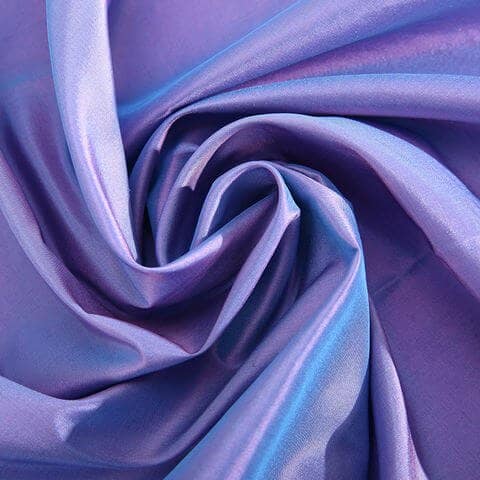
Shot Taffeta: This variant features threads in two different colors woven together, creating a beautiful, iridescent effect that shifts in color under different lighting.
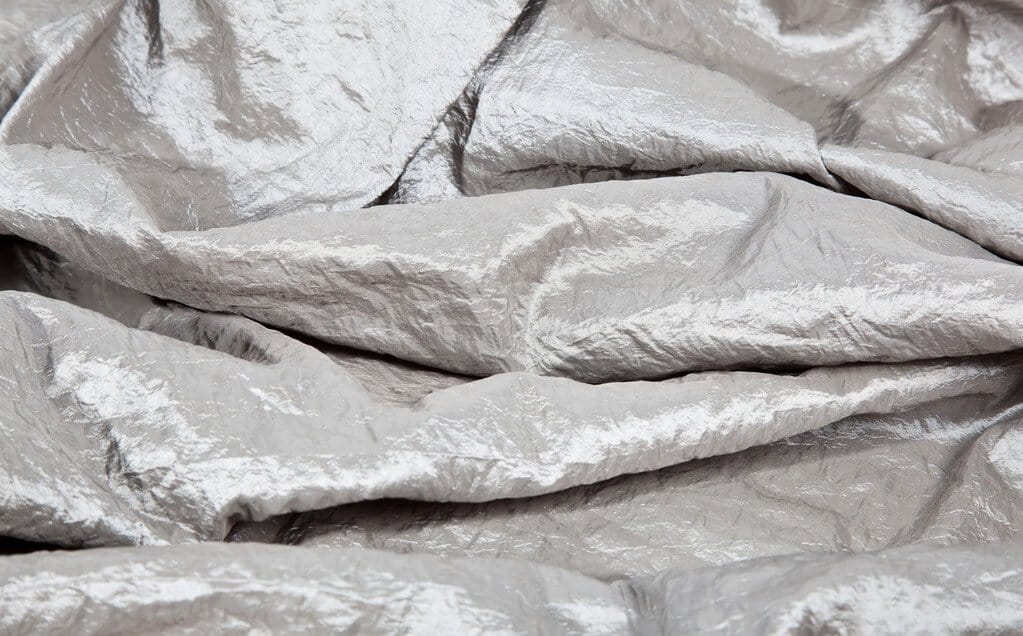
Crinkle Taffeta: Has a textured, crinkled finish for a less formal look. Often used for more casual apparel or unique decorative items.
These types make taffeta versatile, suiting various needs in both high-end fashion and functional décor.
The Production Process of Taffeta Fabrics
The production of taffeta involves several steps to achieve its distinct crisp texture and sheen:
| Step | Description |
|---|---|
| Weaving | Taffeta uses a plain weave, creating a smooth, firm texture by interlacing threads tightly in an over-and-under pattern. |
| Fiber Selection | Made from silk, polyester, acetate, or nylon; each fiber affects the fabric’s feel, durability, and sheen. |
| Dyeing | Piece-Dyeing (after weaving) or Yarn-Dyeing (before weaving) for richer colors; yarn-dyeing gives the iridescent effect. |
| Finishing | Final treatments like heat-setting or chemicals add crispness and maintain the fabric’s glossy, structured appearance. |
This process results in the iconic, luxurious appearance and structured feel that define taffeta.
Uses of Taffeta Fabrics
- Formalwear: Commonly used for wedding dresses, evening gowns, and ball gowns due to its structured shape and glossy finish.
- Home Décor: Adds elegance to curtains, tablecloths, and decorative pillows, where its sheen enhances room aesthetics.
- Accessories: Used in handbags, scarves, and belts, taffeta brings a touch of sophistication and visual appeal.
- Costumes: Popular for costumes needing volume and flair, such as period costumes or stage attire.
Taffeta’s durability and structured form make it versatile for both fashion and décor, where a polished, luxurious look is desired.
Advantages and Disadvantages
Advantages:
- Elegant Texture: Taffeta has a crisp, structured feel, making it ideal for garments and décor that need to hold their shape.
- Luxurious Appearance: With a high sheen and smooth finish, taffeta provides an elegant and sophisticated look.
- Durable in Synthetic Forms: Synthetic taffeta is durable, resists wear, and retains its shape well over time.
- Versatility: Available in various types, colors, and finishes, making it suitable for diverse applications in fashion and home décor.
Disadvantages:
- Stiff Feel: The structured texture can be uncomfortable for extended wear.
- Prone to Wrinkling: Silk taffeta, in particular, wrinkles easily and requires careful handling.
- Delicate Maintenance: Silk taffeta is more delicate and requires special care, which can increase upkeep.
- Higher Cost: Silk varieties of taffeta can be costly, limiting their use in some applications.
Conclusion
Conclusion
Taffeta fabric is celebrated as a symbol of elegance and sophistication, with a rich history that has made it a staple in both high-end fashion and luxurious décor. Its unique combination of a smooth, glossy finish and crisp texture allows it to create eye-catching, structured silhouettes in garments like evening gowns, wedding dresses, and formalwear. Beyond fashion, taffeta’s versatile applications extend to home décor, where its subtle sheen enhances curtains, table linens, and upholstery, bringing a touch of refinement to interior spaces.
The range of taffeta types—from traditional silk to more affordable synthetic versions—offers something for everyone. Synthetic options provide the look and feel of luxury at a lower cost, while remaining durable and easy to care for, making taffeta accessible to a wider audience. Meanwhile, silk taffeta retains its allure as a premium choice for special occasions, valued for its smooth texture and rich, vibrant colors.
While taffeta does require careful handling due to its tendency to wrinkle and, in some forms, its delicate nature, its timeless appeal and versatility make it a favorite for designers and creators. Its signature rustle and structured shape have cemented taffeta’s place as a fabric that delivers both beauty and impact, ensuring its continued use and admiration in fashion and décor for years to come.