Origin of Leather Fabrics
Leather has been used by humans for over 5,000 years. The earliest evidence of leather crafting comes from the Paleolithic period, where hides were used for clothing, shelter, and tools. Ancient Egyptians, for example, used leather for sandals, armor, and scrolls, while the Romans refined tanning methods and used leather for military gear and everyday items. By the Middle Ages, leather became a symbol of wealth and status, especially in Europe, where fine leather goods were highly prized. The industrial revolution in the 19th century introduced mechanized tanning, increasing leather production and making it more accessible.
What is Leather Fabric?
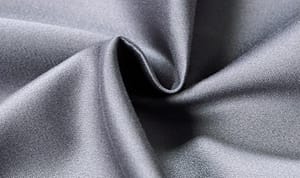
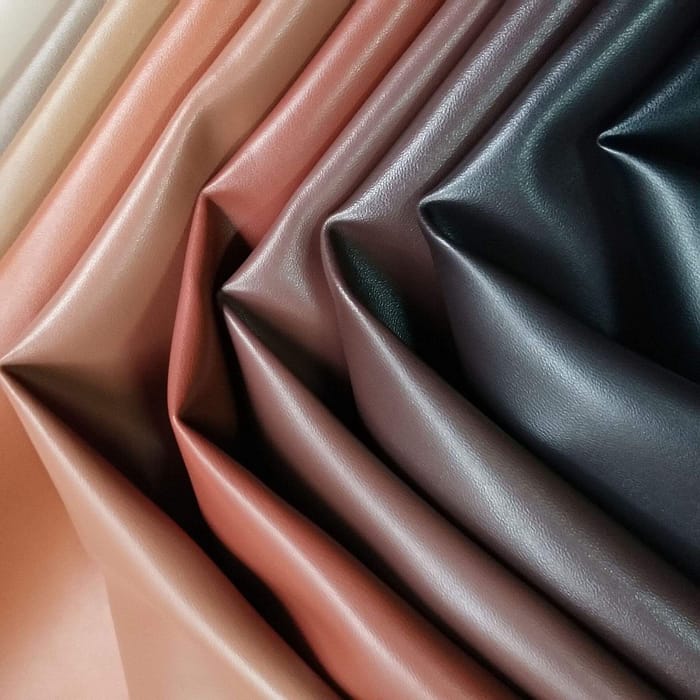
Leather fabric refers to material derived from the hides or skins of animals, primarily cows, goats, and sheep. Unlike synthetic alternatives, genuine leather is a natural product known for its durability, unique texture, and ability to improve with age. The leather used in fabrics is typically treated and processed to create a flexible, soft, and often polished material, suitable for fashion, upholstery, and other applications. The key distinction between leather and synthetic leather is that genuine leather is derived from animal hides, while synthetic leather is made from plastic-based materials that mimic the look and feel of real leather.
Characteristics of Leather Fabrics
Leather fabrics are known for their distinctive characteristics that make them highly valued in various industries. First, their durability is unmatched—genuine leather can withstand years of wear and tear without losing its structural integrity. Leather is also breathable, which makes it comfortable for clothing and upholstery, as it allows air circulation and prevents excessive sweating.
Another defining trait is the texture of leather, which varies depending on the type of hide and the tanning process. It can range from smooth and polished to soft and supple or textured with natural grain patterns. Over time, leather develops a patina, a characteristic sheen that comes from the material’s exposure to light, air, and oils from the skin, adding to its beauty.
Moreover, leather is water-resistant to some extent, making it an ideal material for outerwear, bags, and footwear. However, it can also be vulnerable to damage from excessive moisture if not treated properly.
Types of Leather Fabrics
Leather fabrics come in various types, each offering unique qualities for different uses. The most common types include:
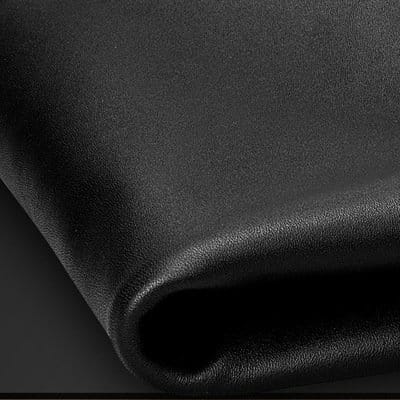
Full-grain leather: The highest quality leather, made from the entire hide, including the top layer with the natural grain. It is durable and develops a rich patina over time. It’s often used in high-end products like luxury bags and furniture.
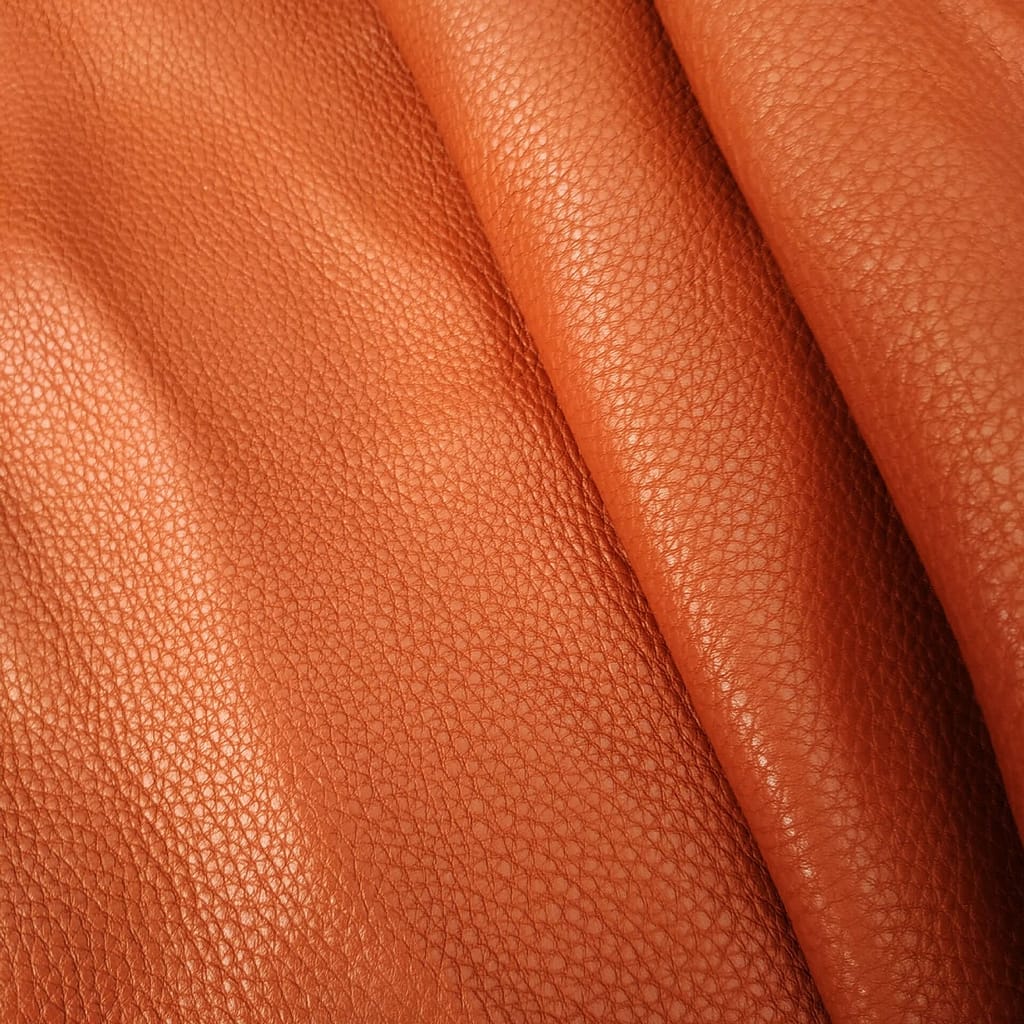
Top-grain leather: This type is made by sanding and buffing the outer layer of the hide, removing imperfections. It’s softer and more uniform than full-grain leather but doesn’t develop as much of a patina.
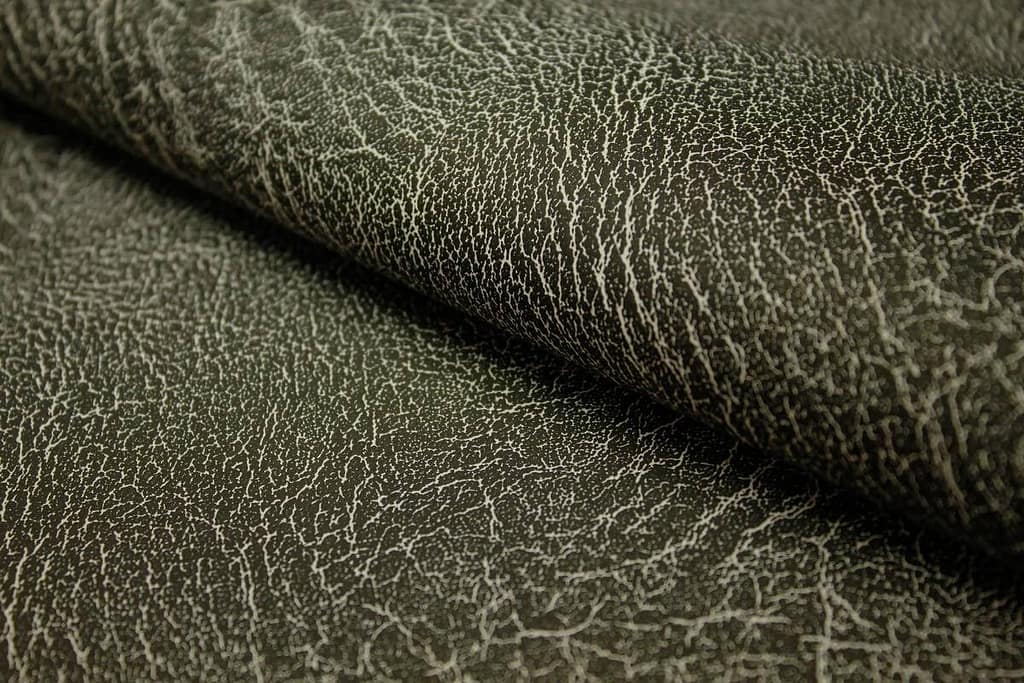
Split leather: Derived from the lower layers of the hide, split leather is thinner and less durable than full-grain or top-grain leather. It is commonly used in less expensive products, like suede and bonded leather.
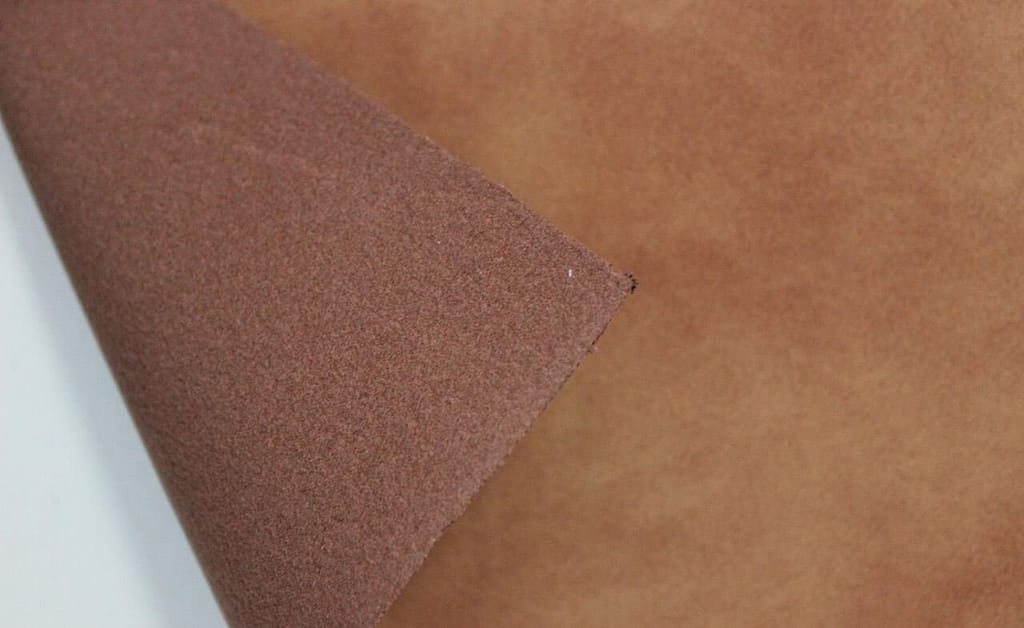
Suede: A type of split leather, suede has a soft, velvety texture created by sanding the inner layer of the hide. It is more delicate than other types of leather and is often used for jackets, shoes, and accessories.
Nubuck: Similar to suede, nubuck is made by sanding the outer layer of the hide, giving it a fine, velvety texture but with more durability. It is commonly used for footwear and furniture.
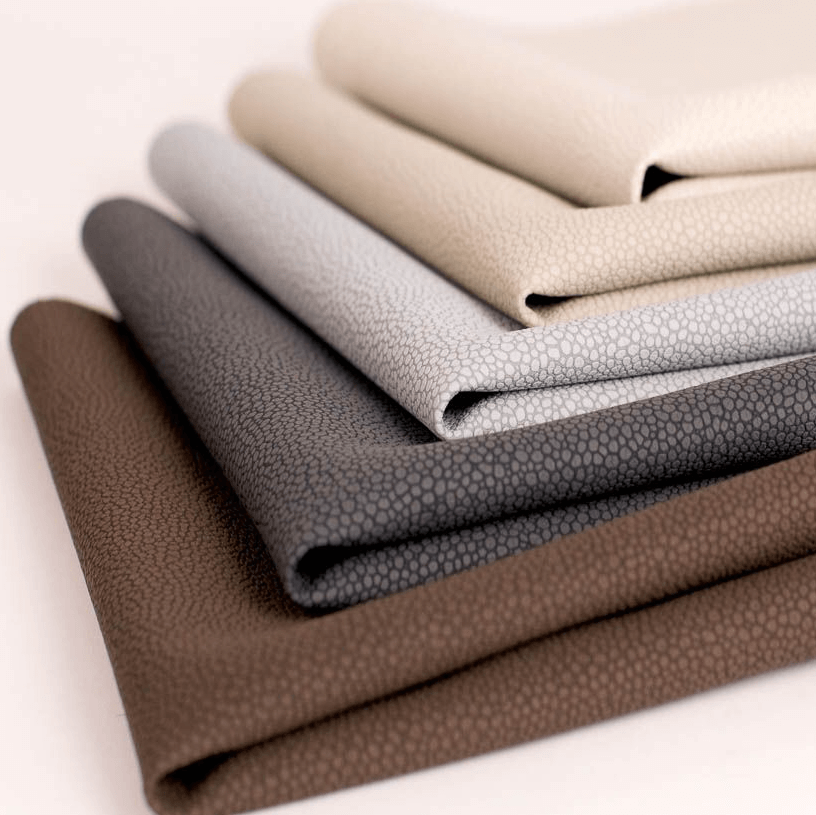
Exotic leathers: These include leather sourced from animals like crocodiles, ostriches, and snakes. Exotic leathers are often used in luxury items and are known for their unique patterns and high price points.
Each type of leather has its own set of characteristics and is suited for different applications, from everyday wear to luxury goods.
Production Process of Leather Fabrics
The production of leather fabrics involves several key steps that transform raw hides into the soft, durable material used in countless products.
| Step | Description |
|---|---|
| Sourcing | Raw hides are sourced, typically from cows, goats, and pigs, and prepared for tanning. |
| Tanning | Preserves the hide and makes it durable: – Vegetable Tanning: Uses tannins from plants, slower but eco-friendly. – Chrome Tanning: Faster, uses chromium salts, more pliable but less eco-friendly. – Aldehyde/Synthetic Tanning: Quick, uniform, and efficient, but less traditional. |
| Finishing | Leather is dyed, embossed, and polished for enhanced appearance and texture. |
| Cutting & Shaping | Leather is cut and sewn into specific shapes for products like bags or upholstery. |
| Quality Control | Final checks to ensure the leather meets required standards for texture, thickness, and flexibility. |
Uses of Leather Fabrics
Leather fabrics are incredibly versatile and used in a wide range of products across various industries. Here are some common applications:
- Fashion: Leather is widely used in clothing, such as jackets, pants, skirts, and shoes. Its durability and stylish appearance make it a staple in both casual and luxury fashion.
- Furniture: Leather is a popular choice for upholstery in sofas, chairs, and other furniture due to its comfort, durability, and luxurious feel.
- Accessories: Leather is used in bags, wallets, belts, and watches, offering both practicality and a high-end aesthetic.
- Automotive: Leather is commonly used for car seats, steering wheels, and interior details, contributing to a luxurious and comfortable driving experience.
- Specialty Items: Leather also finds use in gloves, luggage, saddlery, sports gear, and safety equipment due to its durability and protective qualities.
Leather’s versatility and timeless appeal make it an essential material across a wide range of sectors.
Advantages and Disadvantages
Advantages:
- Durability: Leather is one of the most durable fabrics, capable of lasting for decades with proper care. It resists wear, tear, and damage better than many other materials.
- Aesthetic Appeal: Leather develops a unique patina over time, adding to its beauty. Its rich texture and luxurious appearance make it highly desirable in fashion and design.
- Comfort: Leather is breathable, making it comfortable to wear or use, especially in clothing and furniture. It adapts to body temperature, providing warmth in winter and coolness in summer.
- Versatility: Leather can be used in a wide variety of products, including clothing, accessories, upholstery, and industrial equipment. It is flexible and can be manipulated into various finishes.
- Sustainability: When produced responsibly, leather can be considered a sustainable material, especially with vegetable tanning methods that reduce environmental impact.
Disadvantages:
- Cost: Leather products are generally more expensive than their synthetic counterparts, due to the cost of raw materials and labor-intensive processes involved in production.
- Maintenance: Leather requires proper care to avoid damage, such as cracking or fading. It must be conditioned regularly and protected from moisture and direct sunlight.
- Vulnerability to Damage: While durable, leather is susceptible to scratches, stains, and punctures. Exotic leathers or more delicate types like suede can be especially sensitive to damage.
- Environmental Concerns: While leather itself is a natural product, the tanning process—especially chrome tanning—can be harmful to the environment due to the chemicals used. However, sustainable tanning practices are becoming more prevalent.
- Ethical Issues: The use of animal hides raises ethical concerns related to animal welfare, with some people preferring synthetic alternatives for this reason.
Conclusion
Leather fabrics have stood the test of time due to their durability, versatility, and timeless appeal. From its ancient origins to modern-day applications in fashion, furniture, and specialized gear, leather remains a material of choice for high-quality products. Its unique characteristics—such as breathability, strength, and ability to age beautifully—make it suitable for a wide array of uses. Despite the rise of synthetic alternatives, leather continues to offer unmatched natural qualities, and with the increasing focus on sustainable production methods, it is poised to remain a key material for years to come.