History of Knitted Fabrics
Knitted fabrics have ancient origins, with some of the earliest known examples found in the Middle East, dating back to the 3rd century CE. As knitting spread through trade routes, it reached Europe, where it became particularly popular in colder climates due to its warmth and flexibility. By the medieval era, knitting was widely practiced, with guilds forming to regulate the trade, especially in regions like Spain and Scotland, known for producing high-quality knitted garments and accessories.
The invention of the knitting frame by William Lee in 1589 marked a turning point, enabling the shift from hand-knitting to mechanized production. Although initially resisted, this invention eventually laid the foundation for large-scale manufacturing, making knitted fabrics more accessible. As the industrial revolution progressed, knitting became central to the textile industry, evolving to balance both heritage techniques and modern technology. Today, knitted fabrics are a staple worldwide, valued for their comfort, adaptability, and versatility.
What is Knitted Fabric?
Knitted fabrics are textiles created by interlooping yarns, forming a stretchy, flexible material distinct from woven fabrics. Unlike woven fabrics, which are made by interlacing threads at right angles, knitted fabrics use a single continuous yarn to create loops, giving the fabric natural elasticity and softness. This looped structure allows knitted fabrics to stretch easily, conforming to the body and providing exceptional comfort.
There are two primary types of knitting: weft knitting and warp knitting. Weft knitting, often used for everyday apparel, produces fabrics like jersey, which stretches well in both directions. Warp knitting, typically stronger and more stable, is used for items that require durability, such as sportswear and technical textiles. Due to their unique properties, knitted fabrics are popular for various applications, from casual wear to high-performance garments.
Characteristics of Knitted Fabrics
- Elasticity: Stretchable structure allows comfort and movement.
- Softness: Generally softer than woven fabrics, providing a smooth, flexible texture.
- Breathability: Loop spaces allow air flow, keeping fabric cool and comfortable.
- Durability: Resistant to wrinkling and can withstand regular wear, depending on yarn and knitting method.
Types of Knitted Fabrics
Knitted fabrics can be broadly categorized based on the knitting technique used, each type offering distinct properties:
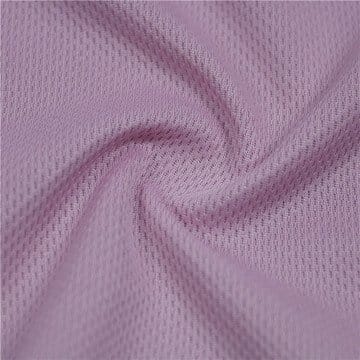
Weft Knits: These fabrics are created by looping yarn horizontally across the fabric width, making them highly stretchable and comfortable. Weft knits are commonly used for everyday clothing items, such as T-shirts and loungewear, due to their soft feel and flexibility. Popular examples include jersey, rib knits, and interlock fabrics.
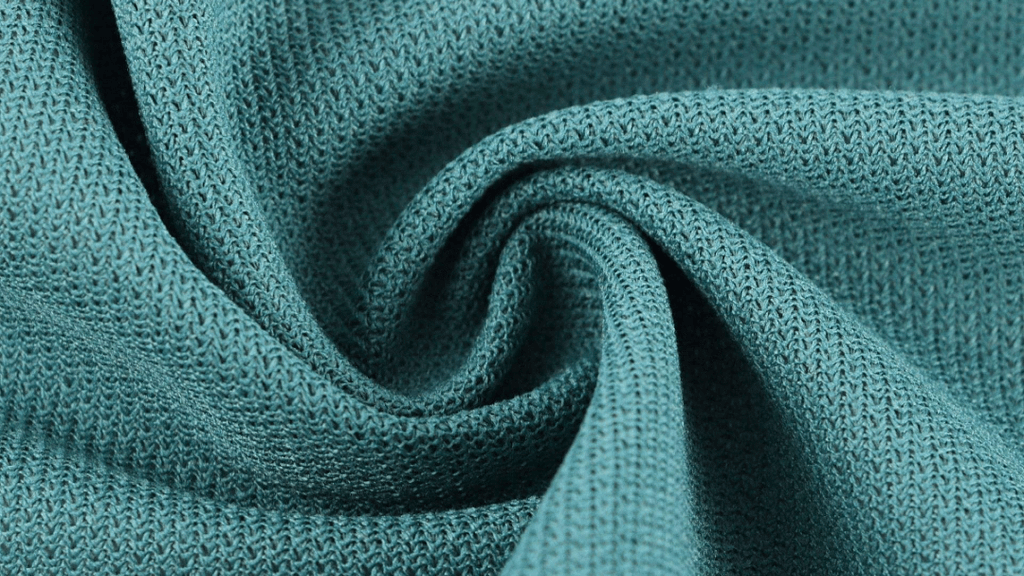
Warp Knits: Formed by looping yarn vertically, warp knits are more stable and durable than weft knits, making them less prone to unraveling. These fabrics provide a smooth texture and are often used in sportswear and lingerie. Examples of warp knits include tricot and raschel fabrics, both known for their resistance to stretching out of shape.
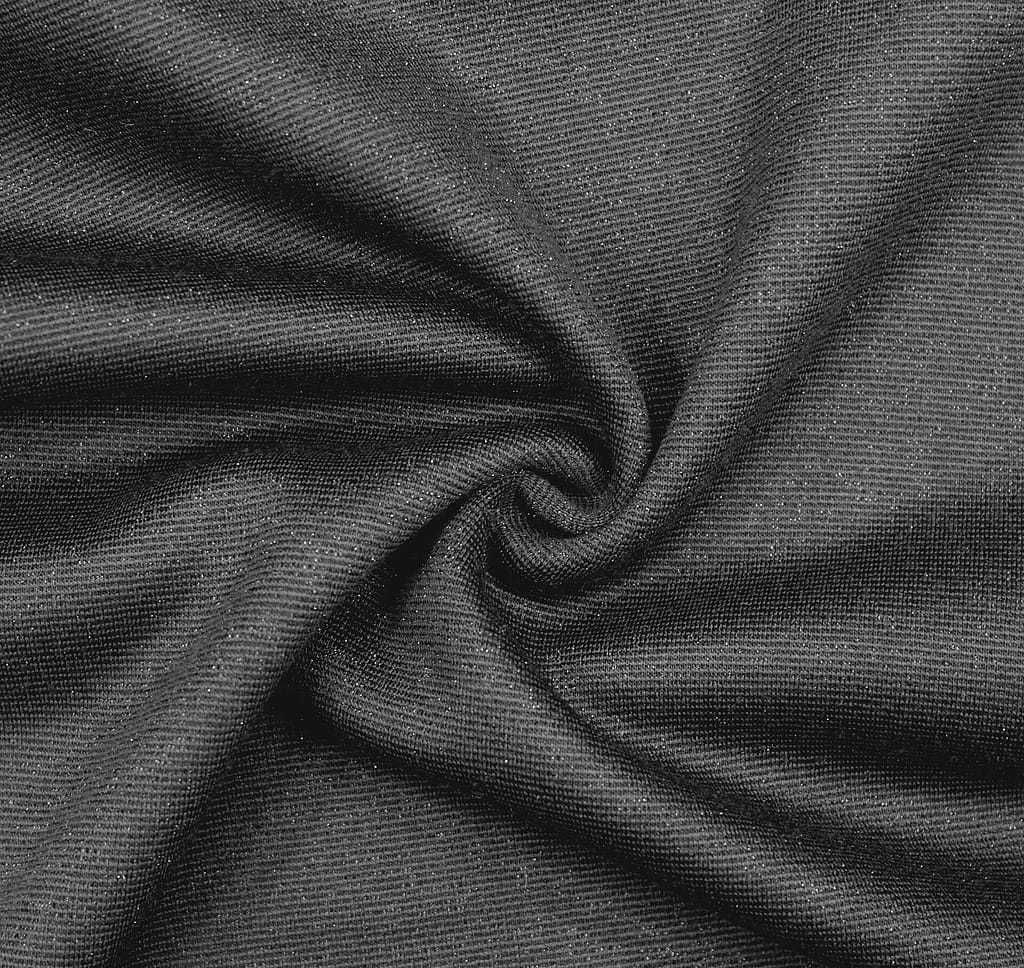
Specialty Knits: These are designed for specific applications, offering unique textures or enhanced performance. For instance, fleece provides warmth with a plush texture, while double knits offer thickness and insulation. Lace knits and other textured knits also fall into this category, tailored for aesthetic and functional needs.
Production Process of Knitted Fabrics
The production of knitted fabrics involves several key steps, transforming raw yarn into versatile textiles:
| Step | Description |
|---|---|
| Yarn Selection | Choosing suitable yarn (natural, synthetic, or blend) for desired texture and properties. |
| Knitting Process | Weft or warp knitting, done by machine or hand, creating the fabric’s structure and flexibility. |
| Finishing | Treatments like dyeing, washing, or adding coatings for durability, shrink resistance, and performance. |
Advantages and Disadvantages
Knitted fabrics are known for their comfort, offering softness, flexibility, and breathability—perfect for daily wear and activewear. They are also versatile, suitable for everything from fashion to technical textiles, and are generally easy to maintain with wrinkle-resistant properties.
However, knitted fabrics can lose shape over time without proper care and are sometimes prone to snagging and pilling. Additionally, they may shrink or stretch if not washed and dried carefully, so attention to maintenance is essential for durability.
How to Care Knitted Fabrics?
- Wash Gently: Use mild detergent on a gentle cycle or hand wash in cool water.
- Avoid High Heat: Wash with cold water and avoid high heat to prevent shrinkage.
- Dry Flat: Reshape and lay flat to dry to avoid stretching.
- Store Folded: Fold instead of hanging to maintain shape.
- Remove Pills: Wash inside out to reduce pilling; use a fabric shaver if needed.
Following these steps will help keep your knitted fabrics looking fresh and long-lasting.
Uses of Knitted Fabrics
Knitted fabrics are incredibly versatile, making them a popular choice across various applications:
- Fashion and Apparel: Due to their comfort and flexibility, knitted fabrics are widely used in everyday clothing like T-shirts, sweaters, leggings, and socks. They’re also a staple in activewear, where stretch and breathability are essential for performance.
- Home Textiles: Knitted fabrics are used in home products like blankets, pillow covers, and soft furnishings, adding warmth and a cozy texture. Some upholstery fabrics also incorporate knits for flexibility and comfort.
- Industrial Applications: Technical and industrial uses of knitted fabrics include medical textiles (such as compression garments) and automotive interiors. Knits are also applied in sports gear for added durability and functionality.
Sustainability and Innovation
- Eco-Friendly Yarns: Using organic and recycled fibers, like organic cotton or recycled polyester, reduces environmental impact.
- Less Waste: Modern knitting techniques, like seamless knitting, produce less waste, making the process more sustainable.
- Functional Finishes: Durable finishes like water resistance and antibacterial coatings extend the life of knitted fabrics. Biodegradable fibers are also being explored to further enhance sustainability.
Conclusion
Knitted fabrics are a mainstay in textiles due to their comfort, versatility, and adaptability. From ancient hand-knitting techniques to modern innovations in sustainable production, knitted fabrics have evolved to meet a range of needs—from everyday wear to technical applications. With proper care, they remain durable and appealing, offering both functionality and style. As new advancements emerge, knitted fabrics continue to shape the textile industry, balancing heritage with innovation to meet future demands.