
History of Chiffon Fabric
The origin of chiffon fabric dates back to the 18th century in France, where it was initially a luxury textile reserved for the wealthy. Originally woven from silk, chiffon’s distinctive sheer and lustrous quality made it highly sought after among aristocrats and royalty. The French word “chiffon” means cloth or rag, but the term quickly became synonymous with elegance as the fabric grew in popularity.
By the 19th century, chiffon became increasingly popular in Europe and North America, often used in women’s dresses and accessories to convey sophistication. The advent of synthetic materials like nylon and polyester in the 20th century revolutionized chiffon’s accessibility, transforming it from an expensive luxury to a fabric available for everyday fashion. Synthetic chiffon is more durable, affordable, and easier to care for, which has allowed it to become a staple in both high fashion and casual wear.
Today, chiffon remains a beloved fabric in fashion and decor. Its evolution—from a symbol of exclusivity to a versatile, widely used textile—speaks to its enduring appeal and adaptability.
What is Chiffon Fabric?
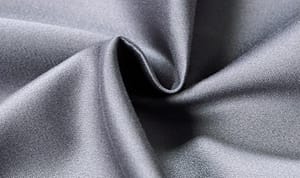
Chiffon is a lightweight, sheer fabric with a soft and slightly rough texture, created through a balanced plain weave. The fibers are twisted during weaving, giving chiffon its trademark crinkled feel and semi-transparent quality. Traditionally made from silk, chiffon has expanded to include other fibers such as polyester, nylon, and rayon, each offering unique benefits while maintaining the characteristic airy appearance.
Chiffon’s distinct look sets it apart from other fabrics, giving garments a flowing, delicate drape ideal for formal and evening wear. Its versatility also makes it suitable for layering, as the sheer quality allows for a range of textures and color combinations without adding bulk. Chiffon’s adaptability to different fibers has enabled designers to tailor the fabric’s qualities to suit various styles and budgets, contributing to its widespread appeal across fashion and decor industries.
Characteristics of Chiffon Fabric
- Sheerness: Chiffon is semi-transparent, giving garments an airy, ethereal look ideal for layering and soft silhouettes.
- Lightweight: Its light structure adds minimal bulk, making it perfect for flowing, delicate designs.
- Crinkled Texture: The fabric’s surface has a subtle crinkle from twisted fibers, adding visual interest while remaining soft.
- Breathability: Chiffon’s open weave allows air circulation, ensuring comfort, especially in warm weather.
- Draping Ability: Known for its graceful drape, chiffon flows elegantly, creating movement in garments and accessories.
- Durability: Silk chiffon is delicate, prone to fraying, while polyester chiffon offers more durability and easier care, making it versatile for everyday and special occasion use.
Types of Chiffon Fabric
Chiffon comes in various types, each with unique qualities, depending on the fibers used and specific weaving techniques. Here are some of the most popular types:
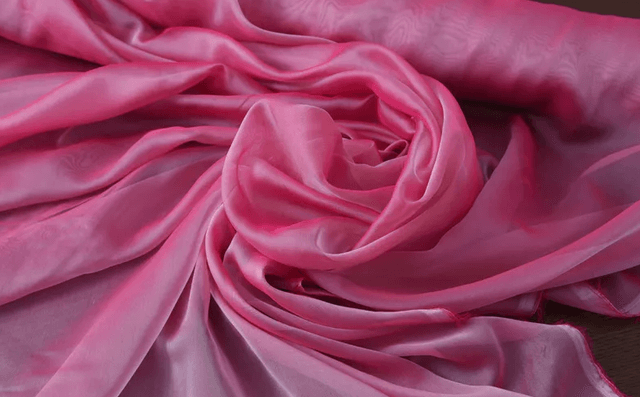
Silk Chiffon: The most luxurious type, known for its softness, lightness, and natural sheen. It’s delicate, expensive, and often used in high-end fashion.
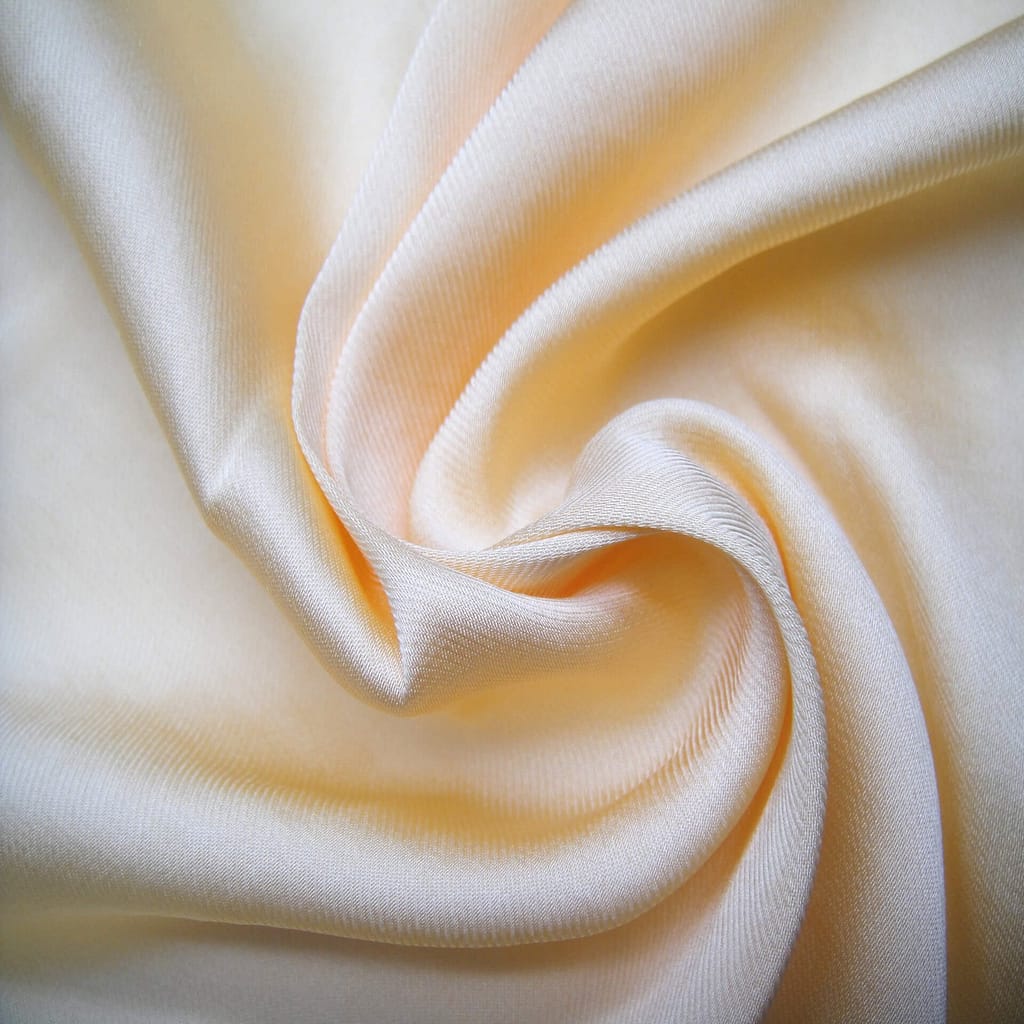
Polyester Chiffon: An affordable, durable alternative to silk chiffon. It’s easier to maintain, wrinkle-resistant, and widely used in ready-to-wear and everyday fashion.
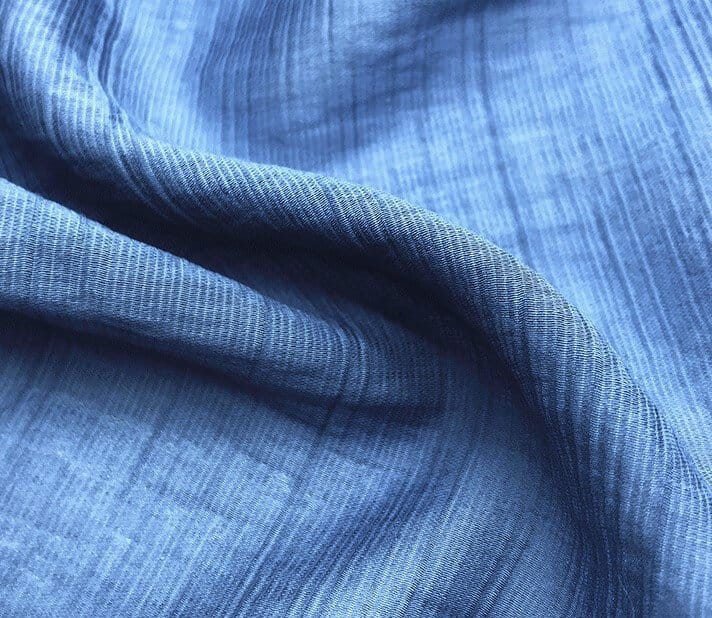
Nylon Chiffon: Known for its lightweight and flexibility, nylon chiffon offers a soft drape similar to silk but with added resilience, making it ideal for activewear and costumes.
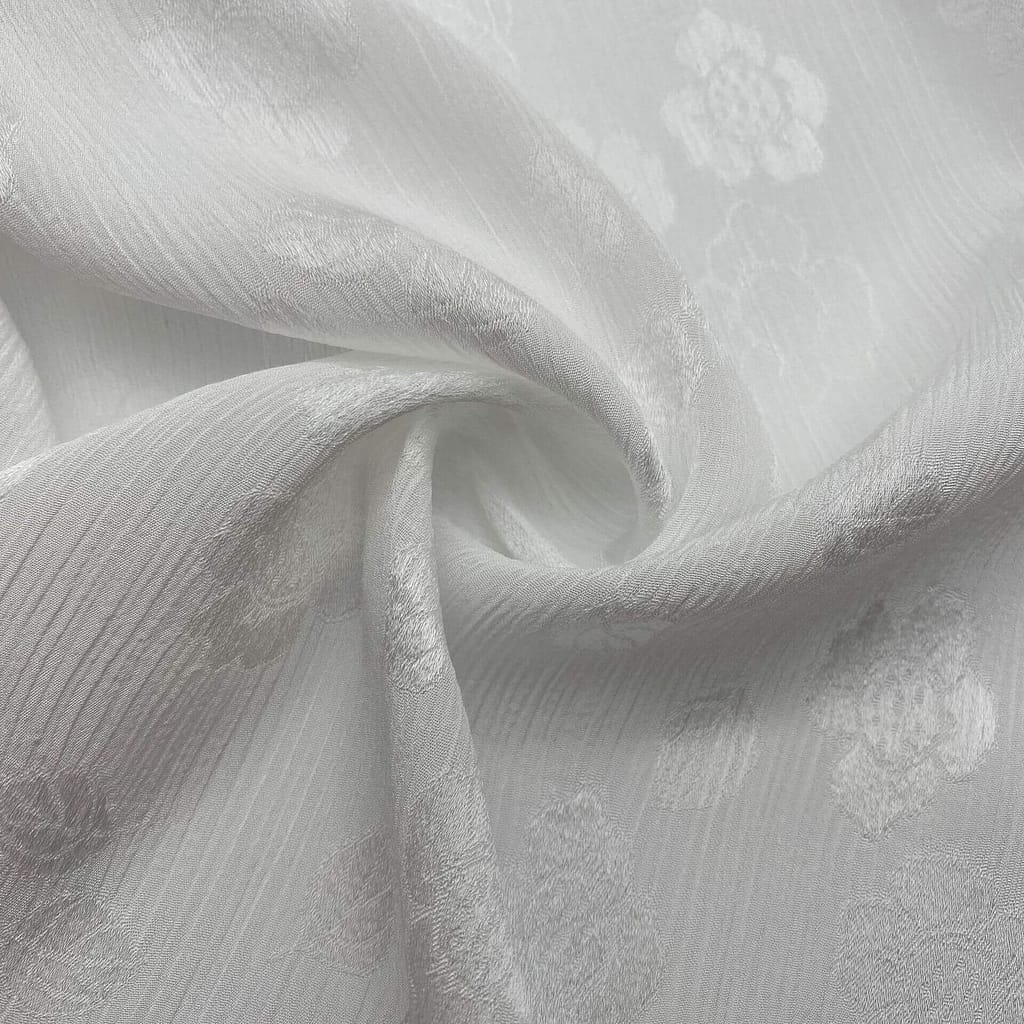
Jacquard Chiffon: Features woven patterns or textures, adding a decorative element to the fabric. Often used in evening wear or interior decor for added style.
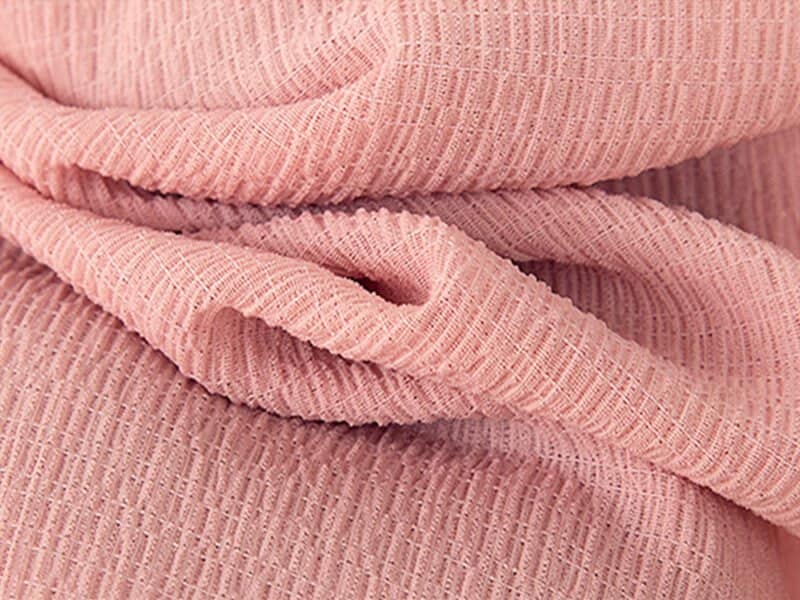
Crinkle Chiffon: Characterized by a textured, crinkled appearance that adds depth and visual interest, making it popular in casual and bohemian-style clothing.
Each type of chiffon has distinct characteristics, allowing designers to choose the most suitable option based on style, occasion, and budget.
Process of Making Chiffon Fabric
Creating chiffon involves several specialized steps to achieve its characteristic sheer and lightweight texture:
| Stage | Description |
|---|---|
| Fiber Selection | Begins with choosing fibers suitable for chiffon, traditionally silk, but often polyester, nylon, or rayon for durability and affordability. |
| Yarn Twisting | Begins with choosing fibers suitable for chiffon, traditionally silk, but often polyester, nylon, or rayon for durability and affordability. |
| Weaving | Begins with choosing fibers suitable for chiffon, traditionally silk, but often polyester, nylon, or rayon for durability and affordability. |
| Dyeing and Finishing | Begins with choosing fibers suitable for chiffon, traditionally silk, but often polyester, nylon, or rayon for durability and affordability. |
Uses of Chiffon Fabric
Chiffon’s versatility and elegance make it a popular choice across various applications:
- Fashion: Often used in evening gowns, bridal wear, blouses, and scarves, chiffon adds a soft, flowing effect to clothing. Its lightweight nature and drape make it ideal for layering and creating ethereal silhouettes.
- Accessories: Chiffon’s soft, sheer quality is popular in scarves, shawls, and lightweight wraps, offering style and comfort in warm weather.
- Interior Design: Used in curtains, drapes, and decorative accents, chiffon creates a light, airy feel in interiors. Its transparency allows for natural light diffusion, giving spaces a soft ambiance.
- Special Occasions: Frequently chosen for wedding dresses, bridesmaid gowns, and other formal attire, chiffon provides a graceful, flowing look perfect for elegant occasions.
These diverse uses illustrate chiffon’s adaptability, making it a staple in both casual and formal design.
Maintenance of Chiffon Fabric
- Washing: Hand wash with gentle detergent; for synthetics, use a delicate machine cycle if allowed.
- Drying: Air-dry flat or hang; avoid wringing.
- Ironing: Use low heat or a steamer, with a cloth between the iron and fabric.
- Storage: Store in a cool, dry place, hanging or folded lightly to prevent creasing.
Proper care ensures chiffon’s longevity and elegance.
Why Choose Chiffon?
Chiffon is a popular choice for its combination of elegance, versatility, and affordability. Its sheer and lightweight qualities give it an ethereal look, making it ideal for formal attire, special events, and layered styles. Synthetic versions, such as polyester chiffon, provide a more durable and budget-friendly option without sacrificing chiffon’s signature drape and softness.
Whether for fashion or home decor, chiffon’s adaptability to different styles and purposes makes it a timeless choice for both casual and high-end applications.
Conclusion
Chiffon’s lasting appeal lies in its delicate beauty and versatility. From its luxurious origins to its modern synthetic versions, chiffon has adapted to meet the needs of various styles, occasions, and budgets. This fabric’s lightweight, breathable nature and elegant drape make it a favorite in fashion, accessories, and decor, offering a timeless, ethereal quality that continues to inspire designers and wearers alike.
In essence, chiffon fabric remains a beloved choice for adding softness, sophistication, and charm to any design, standing the test of time in both fashion and function.