
The Origins of Linen Fabrics
Linen has deep historical roots, with evidence of its use dating back to ancient Egypt. It was prized for its durability, strength, and luxurious feel. Derived from the flax plant, linen production has remained relatively unchanged over time. The plant itself is highly sustainable, requiring minimal water and pesticides. Additionally, the entire plant is used in the production process, leading to little waste, making linen an eco-friendly fabric even in ancient times.
What is Linen Fabric?
Linen is one of the most celebrated fabrics today, renowned for both its stylish appeal and its environmentally-friendly nature. As consumers increasingly prioritize sustainable fashion, linen stands out as the perfect blend of style and eco-consciousness. This article explores how linen achieves this balance, making it a top choice for both fashion and home textiles.
Properties of Linen Fabrics
- Breathability: Highly breathable, ideal for warm climates.
- Moisture-wicking: Absorbs moisture without feeling damp.
- Durability: Strong, long-lasting fabric that softens over time.
- Hypoallergenic: Gentle on sensitive skin.
- Sustainability: Made from the eco-friendly flax plant, with minimal water and pesticide use.
- Biodegradable: Naturally decomposes, unlike synthetic fabrics.
- Wrinkle-prone: Easily wrinkles, giving it a relaxed, casual appearance.
- Low-maintenance: Becomes softer with washing, and natural wrinkles mean less ironing is required.
Linen Fabric Production Process
Linen is produced from the flax plant, following a series of well-defined steps to extract the fibers and create durable, versatile fabric. Below are the key stages in the production process:
| Step | Description |
|---|---|
| Flax Cultivation | Flax plants are grown and harvested by pulling the entire plant to preserve long fibers. |
| Retting | Flax stalks are soaked (water or dew retting) to break down the outer bark and loosen fibers. |
| Breaking and Scutching | The stalks are crushed, and the woody parts are removed, leaving the inner flax fibers. |
| Hackling | The fibers are combed to remove shorter pieces and straighten the long strands. |
| Spinning | The fibers are spun into yarn, either by hand or using machines. |
| Weaving | The yarn is woven into linen fabric using various weaving techniques. |
| Finishing | The fabric is bleached, dyed, softened, or pre-washed to enhance its properties. |
Types of Linen Fabrics
Linen comes in several varieties, each with unique qualities that cater to different uses. Here are some of the most common types of linen fabrics:
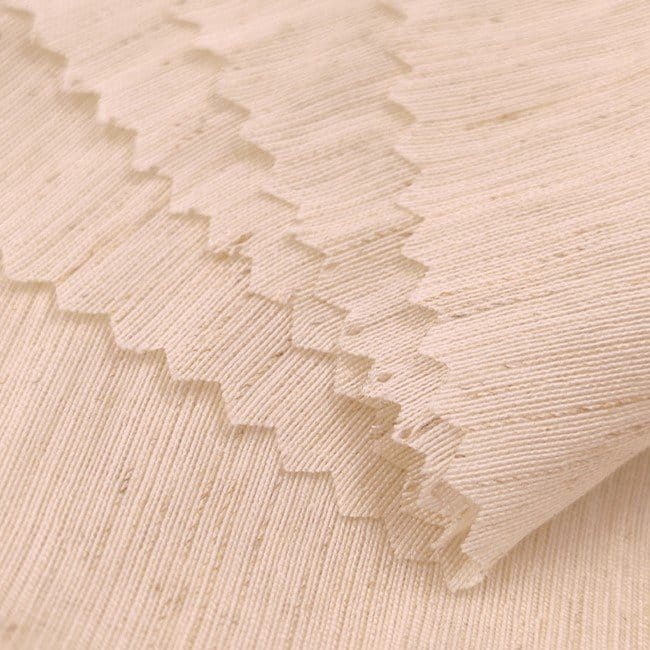
Plain Weave Linen: The most basic and common form of linen. It’s smooth and lightweight, often used for apparel like shirts and dresses.
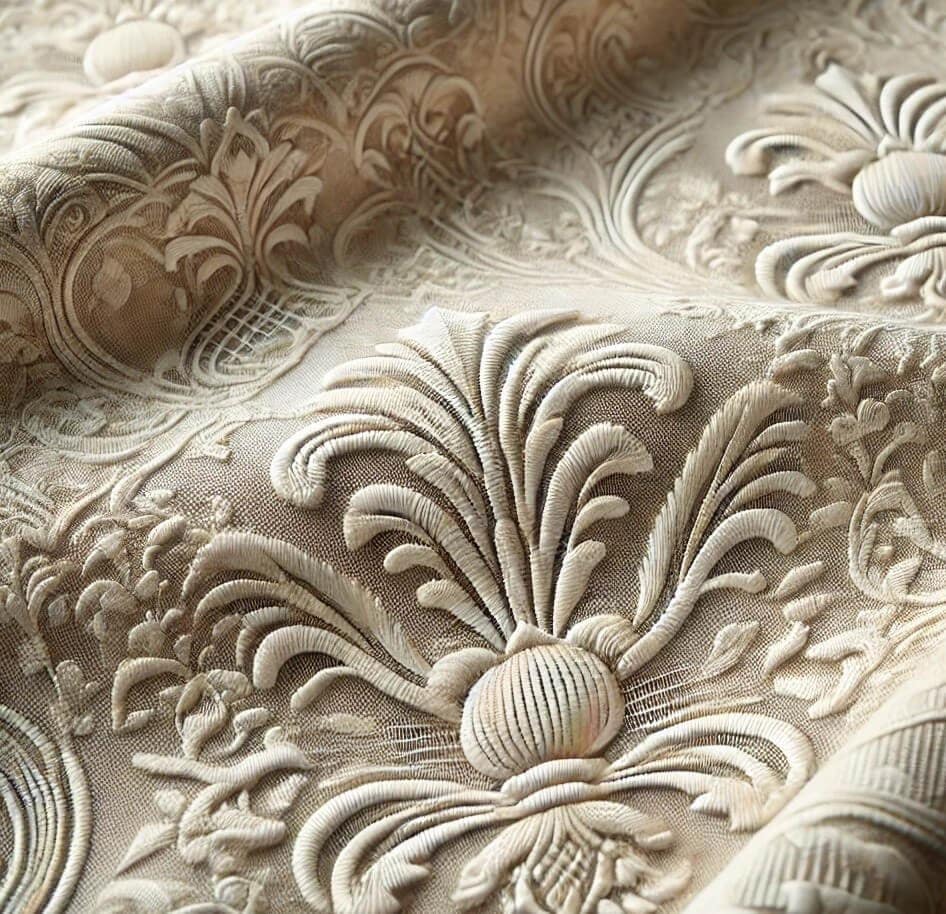
Damask Linen: A decorative linen that is woven on a jacquard loom, creating intricate patterns. This type is often used for formal tablecloths and napkins.
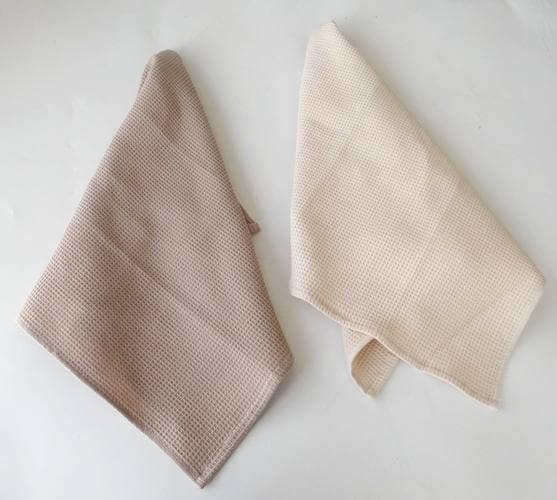
Linen Toweling: A thick, absorbent form of linen used for making towels, aprons, and other kitchen linens due to its high absorbency and durability.
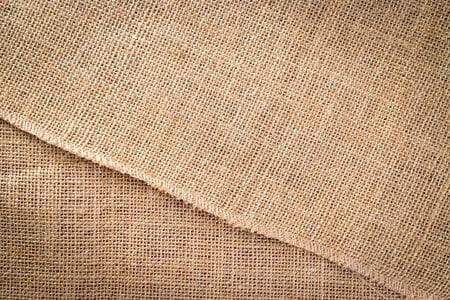
Linen Canvas: Heavier and more durable, linen canvas is ideal for upholstery, bags, and other sturdy items.
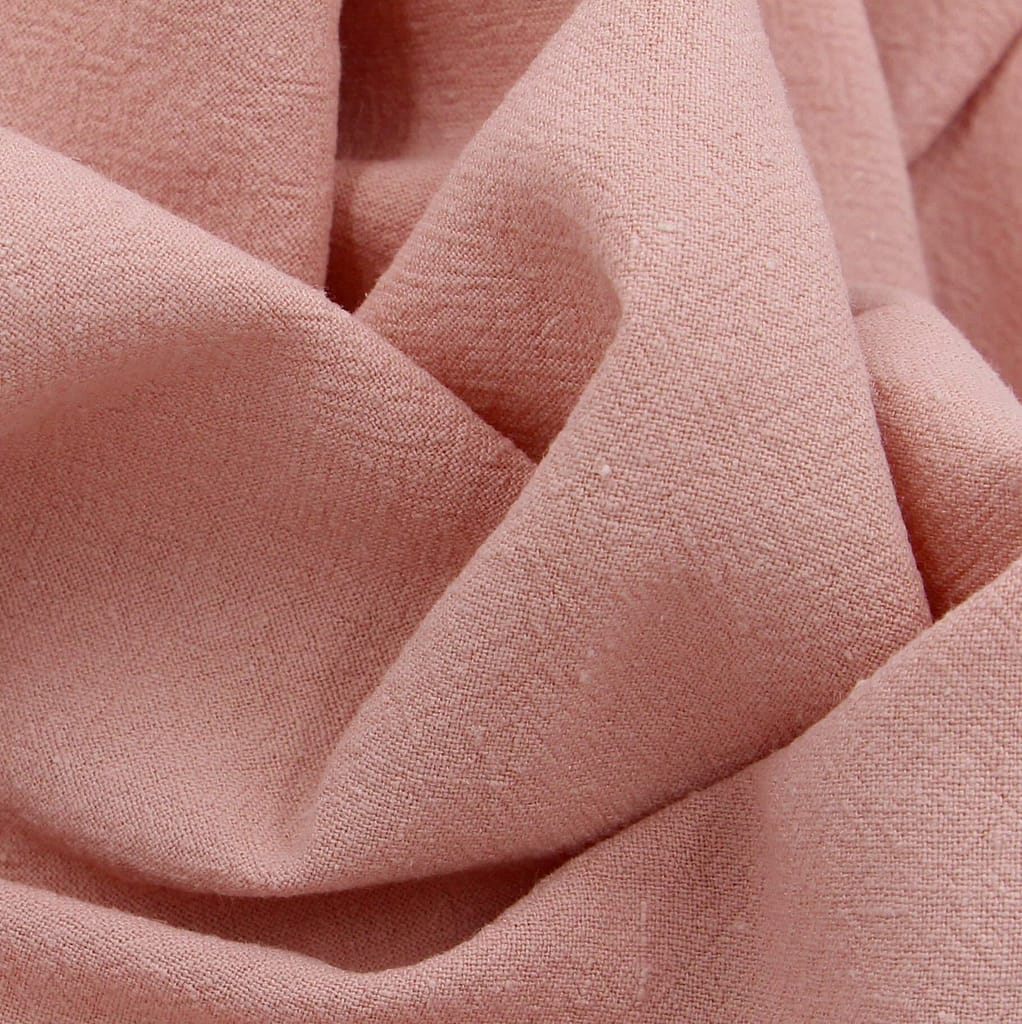
Linen Blend: Linen is sometimes blended with cotton, silk, or synthetic fibers to enhance certain properties, like softness or elasticity, while still retaining linen’s natural benefits.
Other Uses for Linen Fabrics
While linen is commonly used for clothing and home textiles, it also has several other versatile applications due to its strength, durability, and eco-friendliness:
- Art Canvases: Linen is preferred by many artists for painting canvases because of its strength and smooth surface.
- Bookbinding: Linen is often used for the covers and spines of high-quality books due to its durability and tactile appeal.
- Wallpaper: Linen can be used as a fabric wallpaper, adding texture and an elegant, natural aesthetic to interior walls.
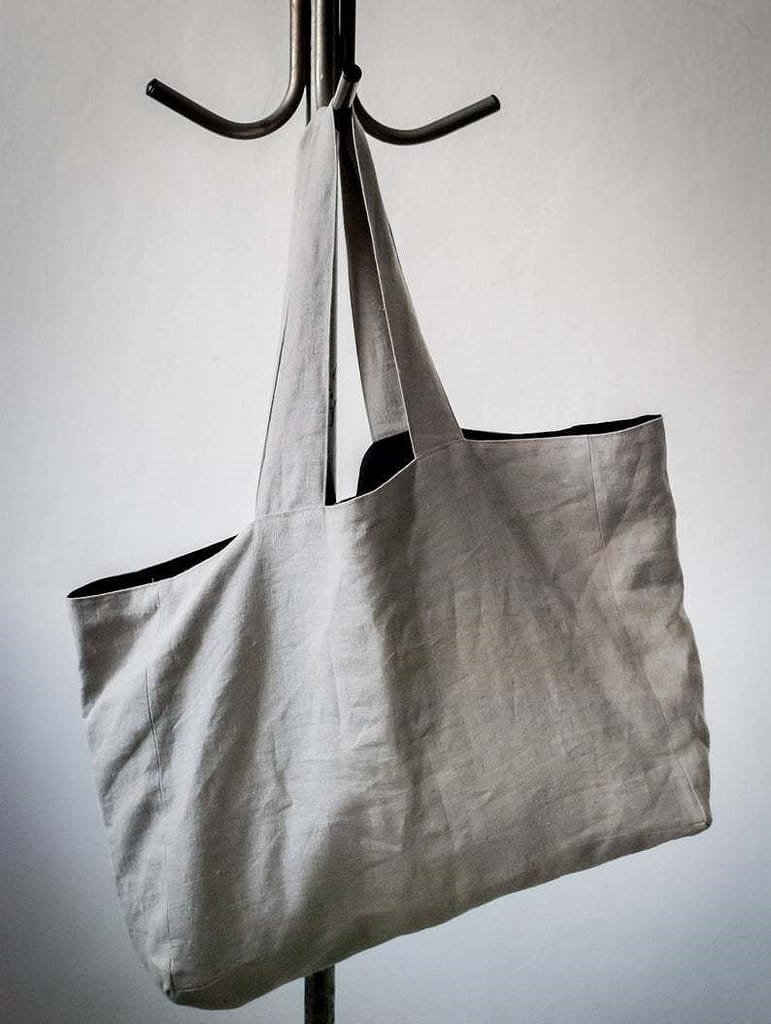
- Luggage and Bags: Its toughness makes linen a great material for making sturdy, fashionable bags, tote bags, and luggage.
- Sails and Ropes: Historically, linen was used for sails and ropes due to its high tensile strength, and it still has niche uses in marine applications.
Linen’s Stylish Appeal
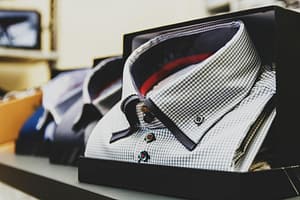
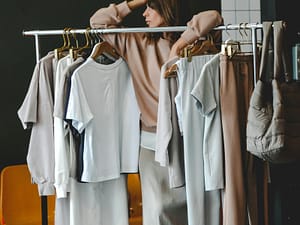
Linen isn’t just sustainable—it’s also highly versatile in fashion and interior design. Its natural texture and earthy tones make it a timeless favorite. The fabric’s signature wrinkles lend a casual yet sophisticated vibe, perfect for both laid-back and elegant looks.
In fashion, linen is a go-to for summer collections, offering breathability and comfort. Designers often embrace linen’s relaxed drape, using it in everything from flowing dresses to tailored suits. It’s also becoming a staple in home decor, where it adds a touch of natural elegance to curtains, cushions, and bedding.
Conclusion
Linen fabrics offer a perfect marriage of style and sustainability, making them an essential choice for eco-conscious consumers and designers alike. From its ancient origins to its modern applications, linen has stood the test of time as a durable, breathable, and elegant fabric. With its minimal environmental impact and growing relevance in both fashion and home decor, linen represents the future of sustainable textiles.
As we move towards a more mindful approach to consumption, choosing fabrics like linen allows us to embrace timeless style without compromising the health of our planet. Investing in linen not only elevates your wardrobe and living spaces but also contributes to a more sustainable world.