
History of Denim Fabrics
Denim fabric has a rich history that dates back to the late 1600s, specifically from the French city of Nîmes. The term “denim” is derived from “serge de Nîmes,” a twill fabric originally woven from wool and silk in Nîmes. Over time, cotton replaced wool, and the fabric evolved into what we now recognize as denim. The first known large-scale use of denim fabric occurred in the 18th century when it was imported to America for making workwear, thanks to its durability and ability to withstand heavy labor.
Denim gained significant popularity during the California Gold Rush of the mid-1800s. Levi Strauss, a Bavarian immigrant, saw the need for tough, long-lasting pants for miners and, in collaboration with tailor Jacob Davis, used denim fabric reinforced with copper rivets to create the iconic blue jeans in 1873. This innovation made denim synonymous with rugged workwear, laying the foundation for its global rise as a fashion staple.
What is Denim Fabric?
Denim is a sturdy cotton twill fabric characterized by a distinctive diagonal ribbing created by the weaving pattern. This weave involves passing the weft (horizontal) threads under two or more warp (vertical) threads, producing a diagonal texture on the fabric’s front side. Typically, denim is made from cotton fibers, but modern variations may include blends of other materials like polyester or elastane to enhance stretch and comfort.
Denim’s most iconic feature is its use of indigo dye, which gives the fabric its signature deep blue color. Traditionally, the warp threads are dyed with indigo while the weft remains undyed, which is why the inside of most denim garments appears lighter in color. This process creates the classic “faded look” as the indigo gradually wears off from the outer surface over time. Denim has maintained its place as a fashion staple for over a century due to its durability, comfort, and versatility.
What Material is Denim Made From?
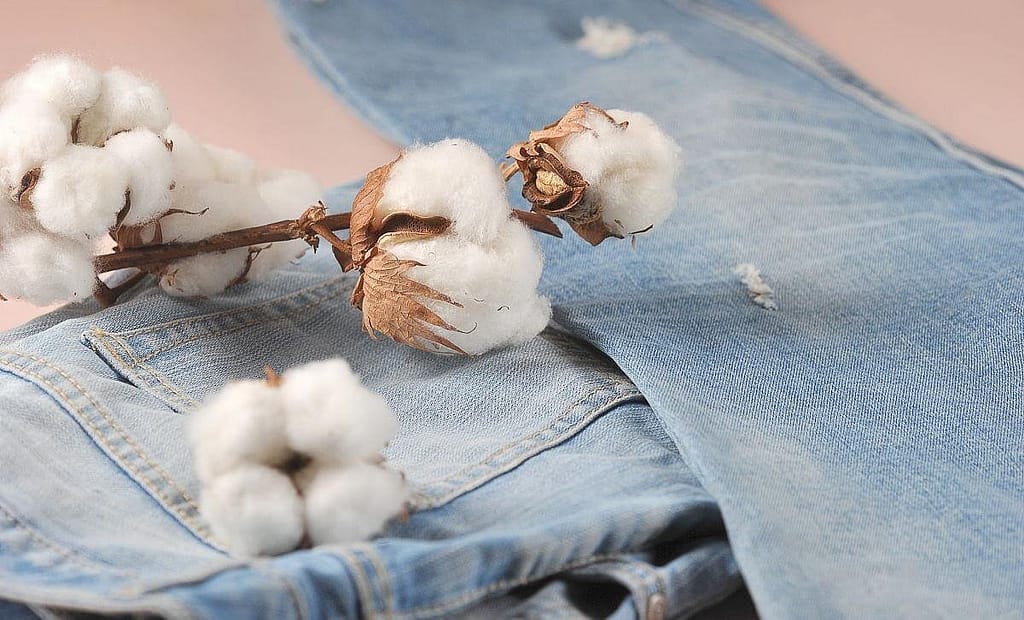
Traditionally, denim fabric is made from 100% cotton, which gives it its softness and breathability. The cotton fibers are woven in a specific way to create the diagonal ribbing characteristic of denim. However, modern advancements have led to the creation of denim that incorporates a variety of other materials, depending on the desired qualities of the fabric.
- Pure Cotton Denim: This is the most traditional form of denim, known for its durability and strength. It is breathable, absorbs moisture well, and becomes softer with wear over time.
- Stretch Denim: A blend of cotton and synthetic fibers like elastane (also known as spandex or Lycra), this denim provides flexibility and stretch, making it more comfortable for active wear and form-fitting styles like skinny jeans.
- Polyester-Blend Denim: Some denim includes polyester fibers for added durability and resistance to shrinking and wrinkling. This type of denim tends to be more resilient in the wash and holds its shape better over time.
These variations allow denim to be used in a wider variety of clothing items, offering different textures, weights, and levels of comfort while retaining its core qualities of strength and durability.
The Manufacturing Process of Denim
- Cotton Spinning: Raw cotton is spun into yarn.
- Indigo Dyeing: Warp threads are repeatedly dipped in indigo, giving denim its signature blue color, while the weft remains undyed.
- Weaving: A 3×1 twill weave is used, creating denim’s diagonal texture and strength.
- Finishing: Processes like sanforization (pre-shrinking), washing, and distressing are done to give denim its final look and feel.
- Cutting & Sewing: Denim fabric is cut and sewn into garments, with rivets and reinforced stitching added for durability.
Types of Denim Fabric
There are various types of denim, each suited for different uses and styles:
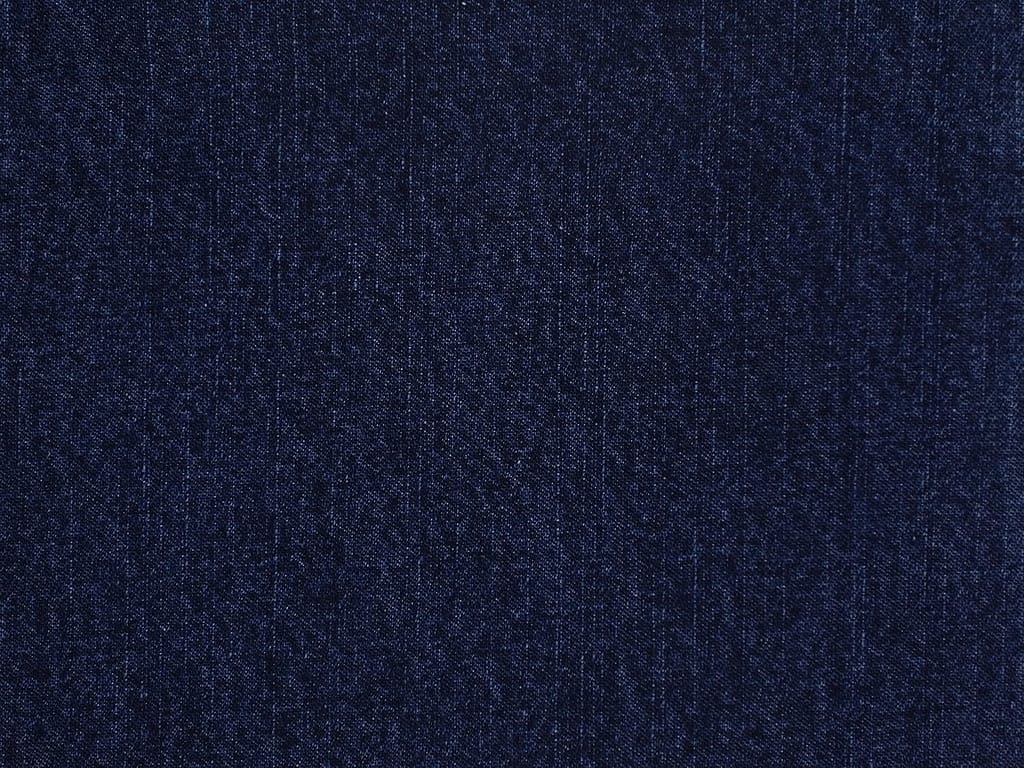
Raw Denim: Unwashed and untreated after dyeing, raw denim is stiff and dark. It fades naturally with wear, developing unique patterns.
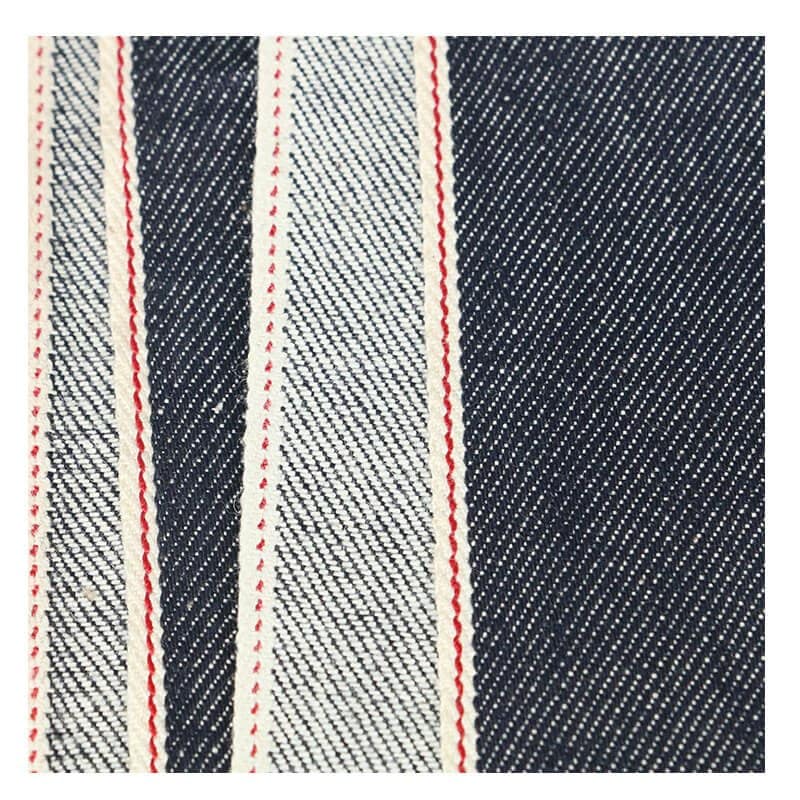
Selvedge Denim: Known for its tightly woven edge, often with a colored line, selvedge denim is made on old-style shuttle looms and is considered a premium version of denim.
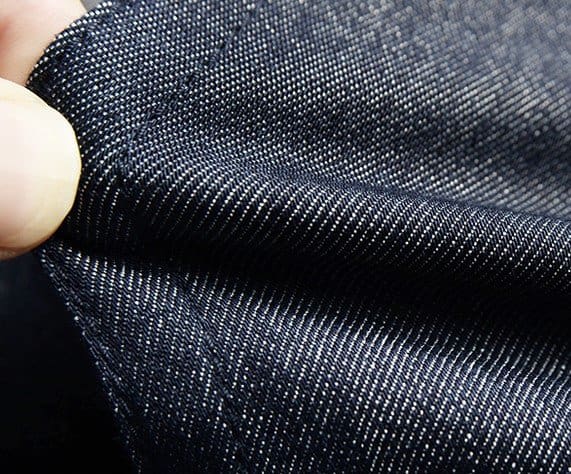
Stretch Denim: A blend of cotton with elastic fibers like elastane or spandex, this denim offers flexibility and comfort, popular in skinny jeans.
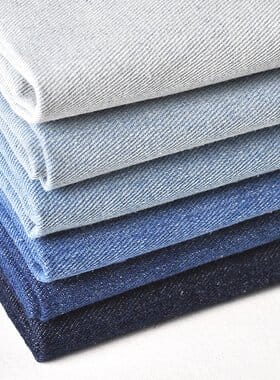
Acid-Washed or Stone-Washed Denim: Treated with chemicals or stones to create a faded, worn-in look and softer texture.
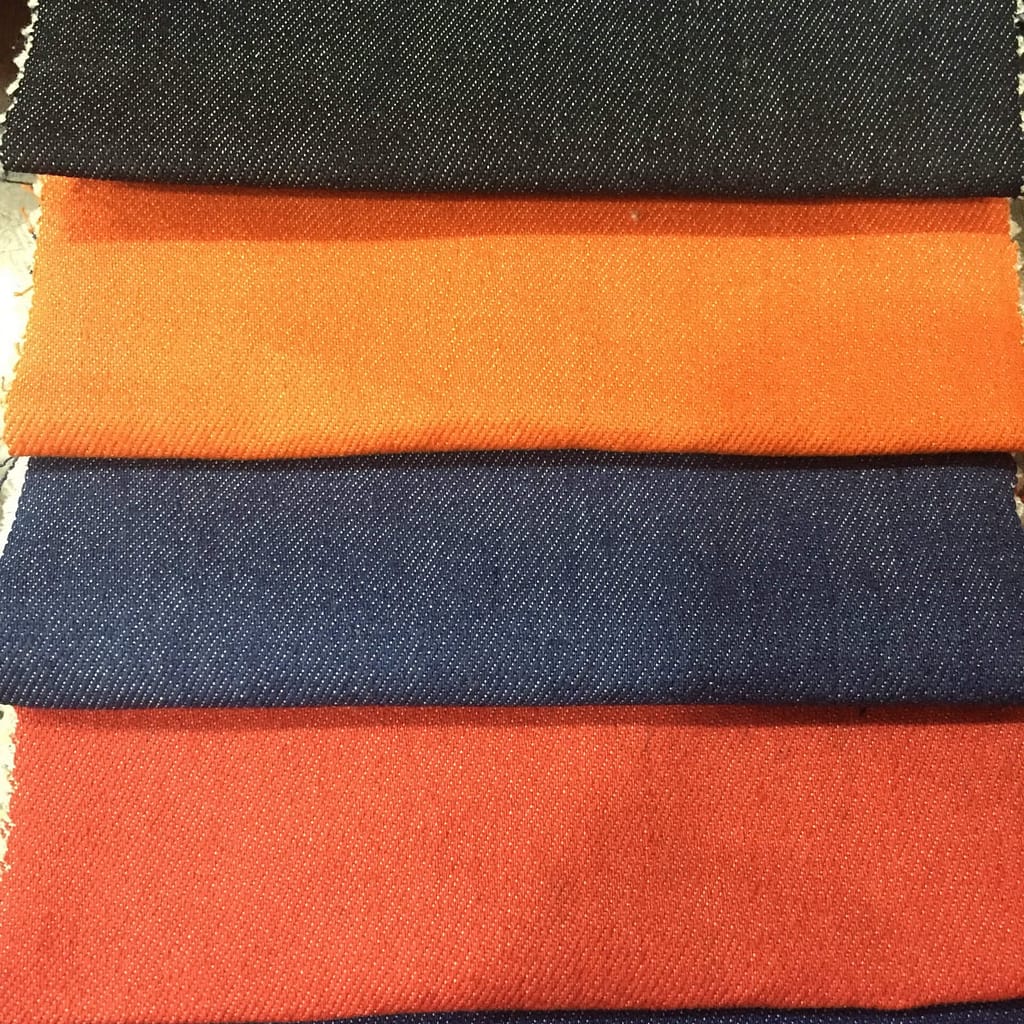
Colored Denim: Denim dyed in colors other than indigo, such as black, grey, or even vibrant shades, used for fashion-forward designs.
Uses of Denim Fabric
Denim is one of the most versatile fabrics in fashion and beyond, serving a variety of purposes. Some of the most common uses include:
- Clothing: Denim is most famously used for jeans, but it’s also popular for jackets, skirts, shorts, and shirts. In fashion, denim is prized for its durability, versatility, and ability to adapt to different styles and trends.
- Workwear: Due to its rugged nature, denim has long been a staple for workwear, including overalls, dungarees, and heavy-duty jackets. Its strength and resistance to wear make it ideal for outdoor and manual labor jobs.
- Accessories: Denim is also used in a variety of accessories such as handbags, belts, shoes, and hats. These items often incorporate denim’s signature durability with a stylish, casual look.
- Home Décor: Denim fabric can be found in home items like upholstery, curtains, cushions, and even rugs, providing a cozy and rustic aesthetic. Its strong texture and distinctive look make it a popular choice for interior design in casual and vintage-style settings.
Denim’s versatility and iconic appeal have cemented its place not only in clothing but also in accessories and home decor, providing both function and fashion.
Applications of Denim in Other Fields
- Upcycling and Sustainability: Used in repurposing projects to reduce waste.
- Art and Design: Popular in creative projects due to its texture and cultural significance.
- Automotive: Sometimes used in car interiors for a casual, durable look.
- Technology: Utilized in protective cases for gadgets like phones and tablets.
Denim’s versatility extends beyond fashion, making it valuable in various industries.
Conclusion
Denim fabric, with its origins in workwear, has transformed into a global fashion icon. Its sturdy construction, versatility, and unique aging process make it a beloved material for jeans, jackets, and countless other garments. Over time, denim has adapted to meet new demands, with innovations like stretch blends and colored denim offering fresh takes on this classic fabric. Yet, its core attributes—durability and style—remain unchanged.
Beyond fashion, denim has found its way into other industries, from sustainable upcycling projects to home décor and even automotive design. Its cultural significance and adaptability ensure denim’s continued relevance in both traditional and modern applications, making it a fabric that transcends time and trends.