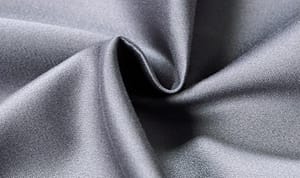

The Origin of Wool Fabric
Wool has been an essential textile material for humans for over 8,000 years, with its origins dating back to ancient Mesopotamia around 6000 BCE. Early civilizations such as the Egyptians, Greeks, and Romans prized wool for its durability and warmth, using it to create garments, blankets, and trade goods. During the Middle Ages, wool became a major economic driver in Europe, especially in England, where it was known as “The Golden Fleece.” The English wool trade played a pivotal role in shaping Europe’s textile industry.
Today, wool continues to be a highly regarded natural fiber, appreciated for its unique ability to insulate, breathe, and last over time. From traditional use in clothing and home textiles to modern applications in performance and sustainable fabrics, wool’s history is as rich as its future potential.
What is Wool Fabric?
Wool fabric is a natural textile made from the fleece of sheep and other animals like alpacas, goats, and camels. It is highly valued for its unique properties, including excellent insulation, moisture-wicking ability, and natural elasticity. The crimped structure of wool fibers traps air, making it an effective insulator that keeps you warm in cold weather, while still being breathable enough for milder conditions.
Wool’s ability to absorb moisture without feeling wet adds to its comfort, particularly in activewear and outdoor clothing. Additionally, wool is durable and resilient, allowing garments and textiles to retain their shape over time. It is also naturally flame-resistant and hypoallergenic, making it suitable for a range of uses from clothing to home furnishings.
As a sustainable, renewable, and biodegradable material, wool is an environmentally friendly choice. Whether used in fashion, home textiles, or industrial applications, wool offers a blend of comfort, performance, and eco-consciousness.
Characteristics Of Woolen Fabrics
| Characteristic | Description |
|---|---|
| Insulation | Keeps you warm by trapping air in the fibers. |
| Moisture-Wicking | Absorbs moisture while staying dry to the touch. |
| Breathability | Allows air circulation, preventing overheating. |
| Durability | Resists wear and tear, lasting longer. |
| Fire Resistance | Doesn’t catch fire easily and self-extinguishes. |
| Hypoallergenic | Resistant to dust mites and bacteria. |
Types of Wool
Here’s a concise summary of the Types of Wool Fabrics:
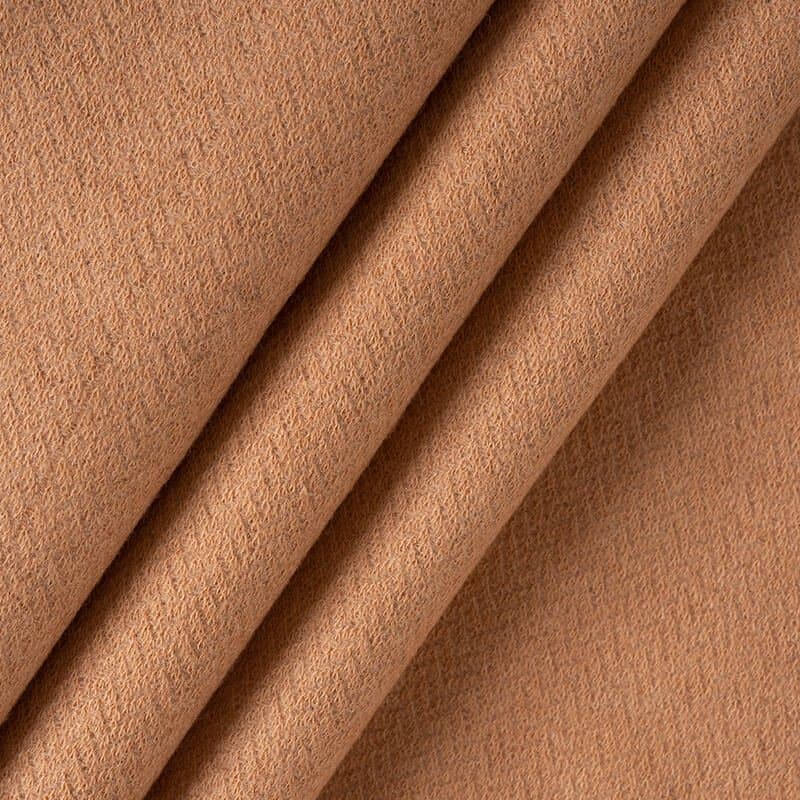
Merino Wool: Soft, breathable, and perfect for activewear.
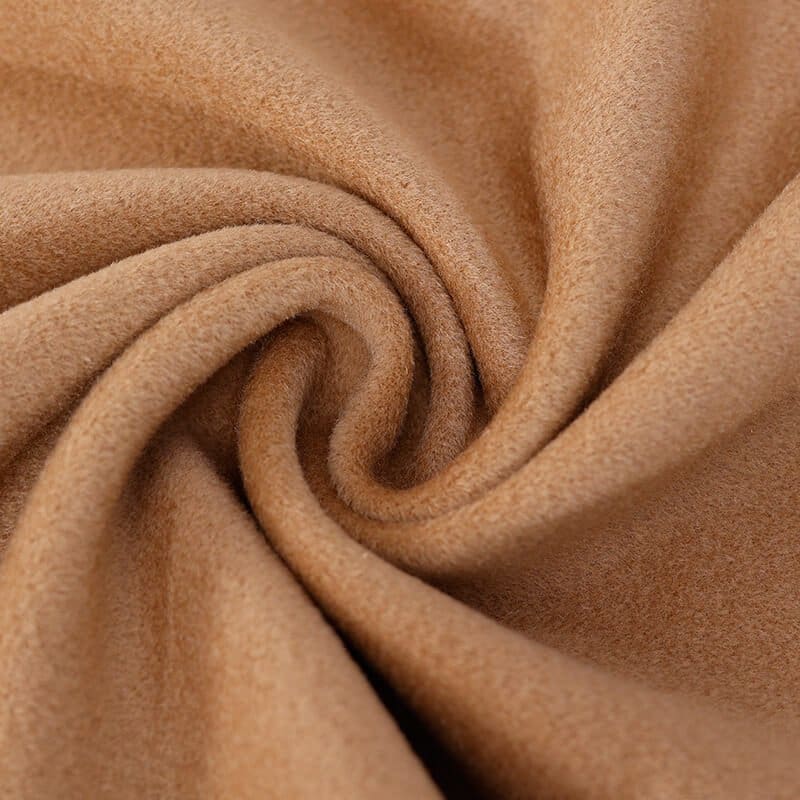
Cashmere Wool: Luxuriously soft and warm, often used in high-end garments.
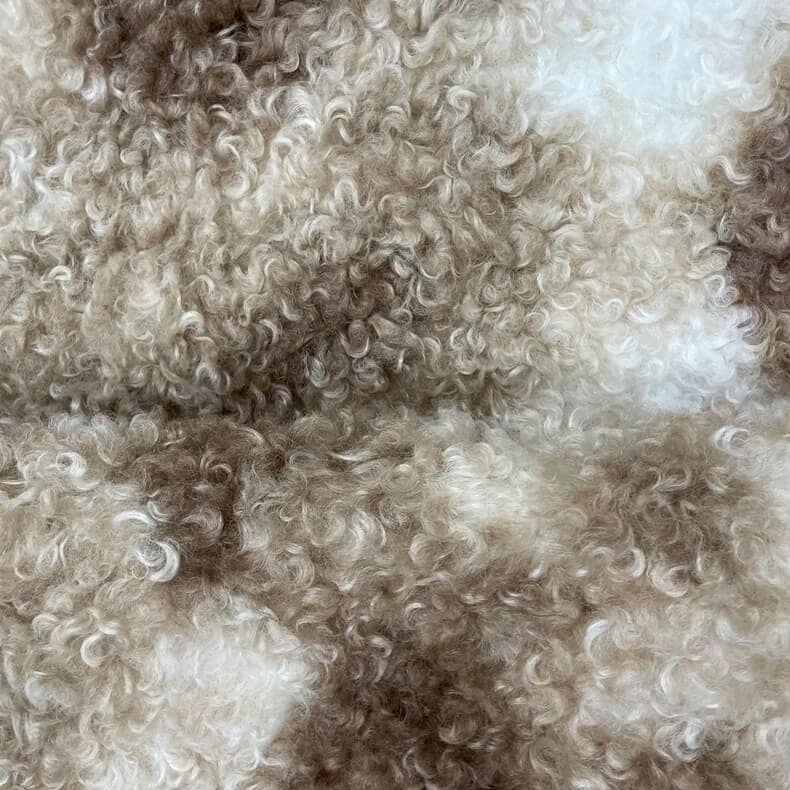
Alpaca Wool: Hypoallergenic, warm, and lightweight, ideal for winter clothing.
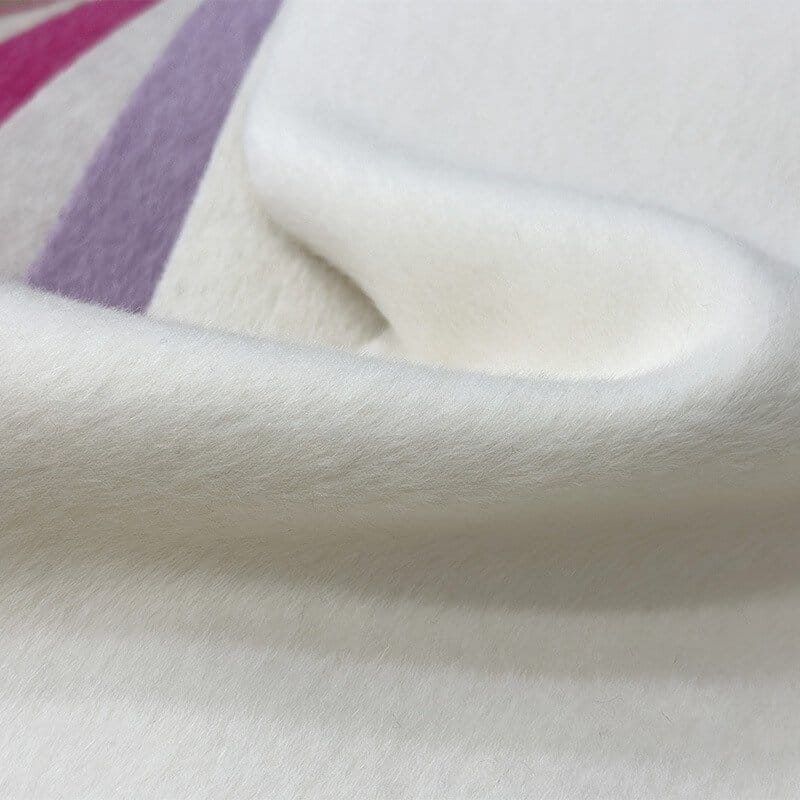
Mohair: Shiny and strong, often used in fashion and upholstery.
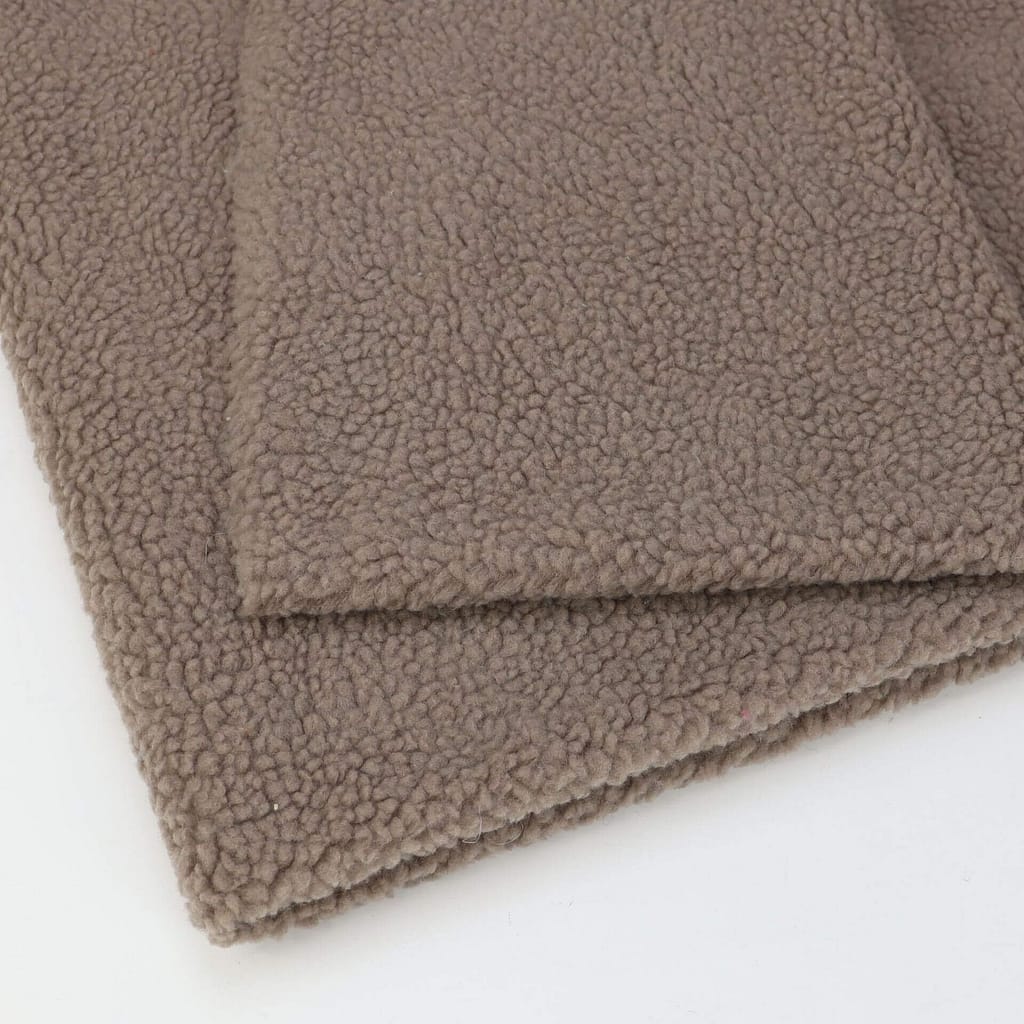
Lambswool: Soft, from the first shearing of a lamb, great for knitwear and blankets.
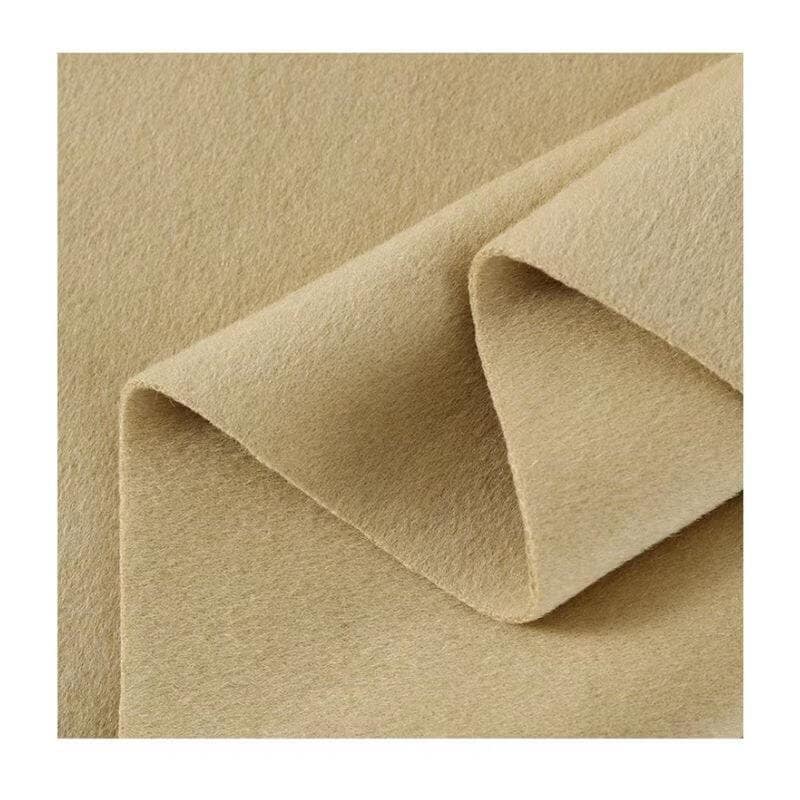
Shetland Wool: Coarse and durable, used in traditional knitwear.
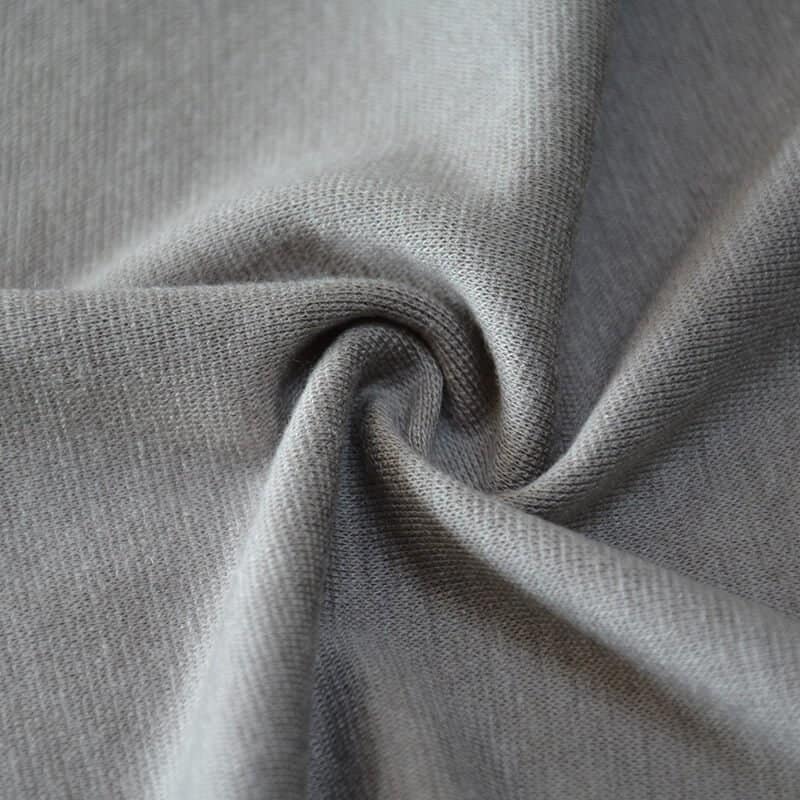
Vicuna Wool: Rare, lightweight, and extremely soft, for luxury items.
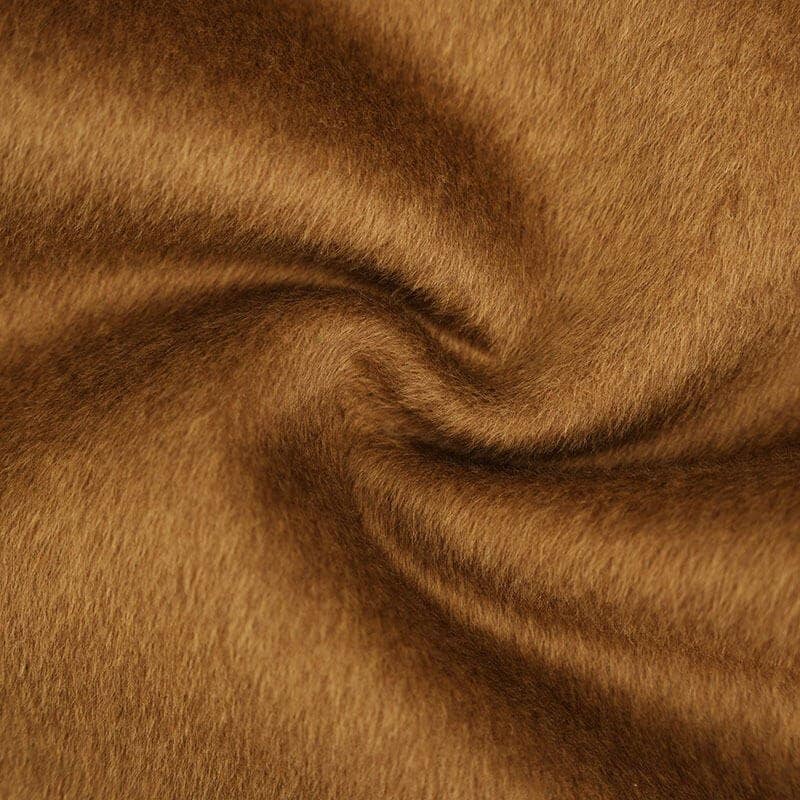
Camel Wool: Warm and soft, used in coats and high-quality blankets.
Wool comes in various types, each with unique qualities.Do you have any questions about this? Feel free to ask us.
The Wool Production Process
The process of transforming raw wool into fabric involves several steps that enhance the quality and versatility of the material. Here’s an overview of the wool fabric production process:
1. Shearing
Shearing is the first step, where wool is harvested from sheep, usually once a year. Professional shearers carefully remove the fleece without harming the sheep. Each sheep can produce between 2 to 30 pounds of wool depending on the breed.
2. Grading and Sorting
Once the fleece is sheared, it is sorted and graded based on fiber quality. Different parts of the fleece have varying qualities, with the finest wool coming from the shoulders and sides of the sheep, while coarser wool comes from the legs and back.
3. Cleaning (Scouring)
Raw wool, known as “greasy wool,” contains impurities such as dirt, grease (lanolin), and sweat. To clean the wool, it is washed in warm water with soap or detergent to remove these impurities. This process is called scouring. After scouring, the wool is left clean and ready for further processing.
4. Carding and Combing
Carding is the process of separating and aligning wool fibers into a thin web. Combing, when necessary, follows carding to further straighten and align the fibers, preparing them for spinning. This step also removes shorter fibers and ensures a smoother texture for fine wool.
5. Spinning
The wool fibers are then spun into yarn by twisting them together. There are two main spinning processes:
- Worsted Spinning: Produces smooth, fine yarn by combing the fibers before spinning. It is used for producing high-quality wool fabrics like suits and fine sweaters.
- Woollen Spinning: Produces a bulkier, fuzzier yarn suitable for items like sweaters, blankets, and carpets.
6. Weaving or Knitting
The spun yarn is then woven or knitted into fabric. Weaving involves interlacing two sets of yarns at right angles to form a fabric, while knitting involves creating a looped fabric structure. Both methods can produce a variety of wool fabrics, from fine, lightweight textiles to thicker, warmer ones.
7. Finishing
After weaving or knitting, the fabric undergoes finishing processes to enhance its look and feel. Some common finishing techniques include:
- Fulling: A process that involves washing the fabric to shrink and thicken it, making it more durable and warmer.
- Dyeing: Wool fabrics are dyed to achieve a desired color, either as yarn before weaving or as fabric afterward.
- Pressing and Steaming: These steps smooth and shape the fabric, ensuring it has a clean, finished appearance before being made into garments or other products.
For a visual overview of the wool production process, you might find the following video informative:
Wool Fabrics in Fashion and Home
Wool fabrics are widely used in both fashion and home textiles due to their versatility, comfort, and durability. Here are some of the key uses:
Fashion Industry
- Clothing: Wool is a staple in winter fashion, used in sweaters, coats, scarves, and suits. Wool’s natural insulation and breathability make it ideal for cold-weather garments.
- Luxury Garments: Types like Cashmere and Vicuna wool are used for high-end, luxury fashion items, offering superior softness and warmth.
- Activewear: Merino wool, known for its moisture-wicking and temperature-regulating abilities, is popular in performance and outdoor wear, keeping athletes warm and dry.
Home Textiles
- Blankets and Throws: Wool is often used in warm, cozy blankets and throws, providing excellent insulation during the winter months.
- Carpets and Rugs: Wool is a popular choice for high-quality carpets and rugs due to its durability, stain resistance, and soft feel.
- Upholstery: Wool’s natural resilience and fire resistance make it ideal for upholstering furniture, combining both comfort and safety.
From high-fashion garments to home furnishings, wool remains a trusted material for its warmth, softness, and longevity.
Wool Fabric Innovations
Wool has evolved with modern innovations:
- Blended Fabrics: Wool is mixed with cotton, silk, or synthetic fibers to improve softness, durability, and versatility.
- Machine-Washable Wool: Wool can now be treated to make it safe for machine washing without shrinking.
- Smart Textiles: Wool is used in smart fabrics that can monitor body temperature, ideal for activewear and health applications.
- Recycled Wool: Old wool garments are recycled to reduce waste and conserve resources.
- Organic Wool: Wool produced without harmful chemicals is gaining popularity for its eco-friendliness.
These innovations make wool more functional and sustainable for modern use.
Sustainability and Ethical Wool Production
Wool is a sustainable and eco-friendly fabric:
- Renewable: Sheep regrow their fleece every year, making wool a renewable resource.
- Biodegradable: Wool naturally decomposes, unlike synthetic fibers, leaving no harmful waste.
- Durable: Wool’s long-lasting nature reduces the need for frequent replacements, cutting down on waste.
In terms of ethics:
- Animal Welfare: Ethical wool production ensures that sheep are treated humanely, following standards like the Responsible Wool Standard (RWS).
- Mulesing-Free Wool: Many wool producers now avoid the harmful practice of mulesing, using humane alternatives.
Wool’s renewability, biodegradability, and ethical production practices make it a responsible fabric choice.
Conclusion
Wool is a versatile and durable fabric, known for its natural warmth, breathability, and sustainability. Whether in fashion, home textiles, or industrial applications, wool offers unique benefits such as insulation, moisture-wicking, and fire resistance. Modern innovations, including fabric blends, smart textiles, and sustainable practices, ensure wool remains relevant for today’s needs.
As a renewable, biodegradable, and ethically produced material, wool is an excellent choice for those looking for comfort, performance, and eco-friendliness in their fabrics. Choosing wool not only supports sustainable practices but also upholds ethical treatment of animals, contributing to a more responsible and compassionate world.