
Origins of PBT Fabrics
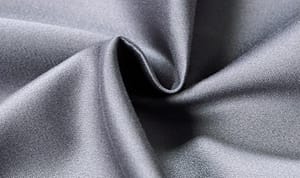
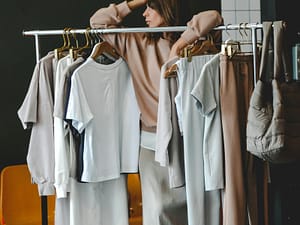
PBT fabrics are made from Polybutylene Terephthalate, a polymer derived from the reaction between terephthalic acid and butylene glycol. The development of PBT dates back to the 1970s, when researchers sought to create a fiber that combined the strengths of polyester with added flexibility and stretchability. The material’s unique properties were soon recognized in the textile industry for their ability to enhance comfort, durability, and performance.
Over time, advancements in production technologies have made PBT more accessible and efficient to manufacture. Initially used in specialty applications, PBT fabrics are now found in a wide range of industries, from fashion to healthcare, thanks to continuous improvements in its quality and sustainability.
What are PBT Fabrics?
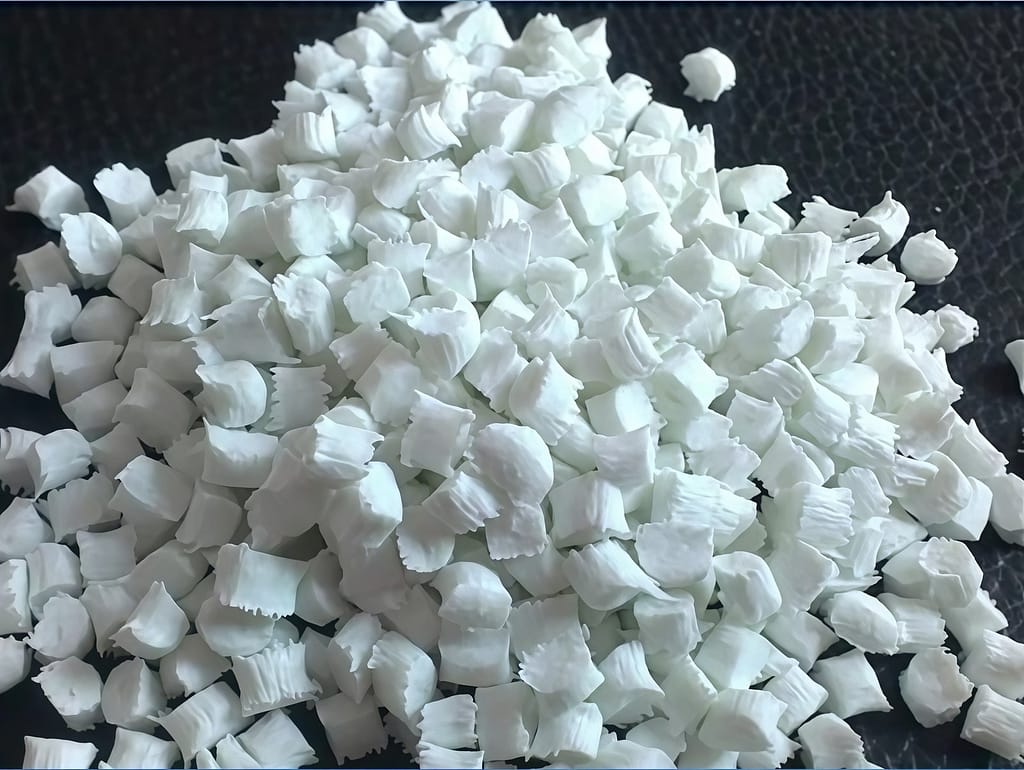
PBT fabrics are made from Polybutylene Terephthalate (PBT), a thermoplastic polymer that is part of the polyester family. This material is known for its excellent elasticity, strength, and resistance to wear and tear. PBT fibers are highly stretchable, allowing the fabric to recover its shape after stretching, making it a popular choice for garments that require both comfort and durability.
The chemical structure of PBT is similar to polyester but with added flexibility due to the butylene glycol component. Unlike some other fibers, PBT does not absorb moisture, which helps it maintain its shape and dryness, even in high-performance environments. These properties make PBT fabrics ideal for applications that demand high resilience and long-lasting performance.
Characteristics of PBT Fabrics
PBT fabrics offer a unique combination of strength, flexibility, and comfort, making them ideal for performance apparel.
- Elasticity and Stretch: PBT fabrics stretch easily and recover quickly, providing freedom of movement in activewear and swimwear.
- Durability: Highly resistant to abrasion, PBT maintains its integrity even with frequent use.
- Moisture-Wicking: The fabric pulls moisture away from the skin, keeping the wearer dry and comfortable.
- UV Resistance: PBT provides natural protection from UV rays, ideal for outdoor and swimwear applications.
- Color Retention: PBT fabrics resist fading, keeping garments vibrant over time.
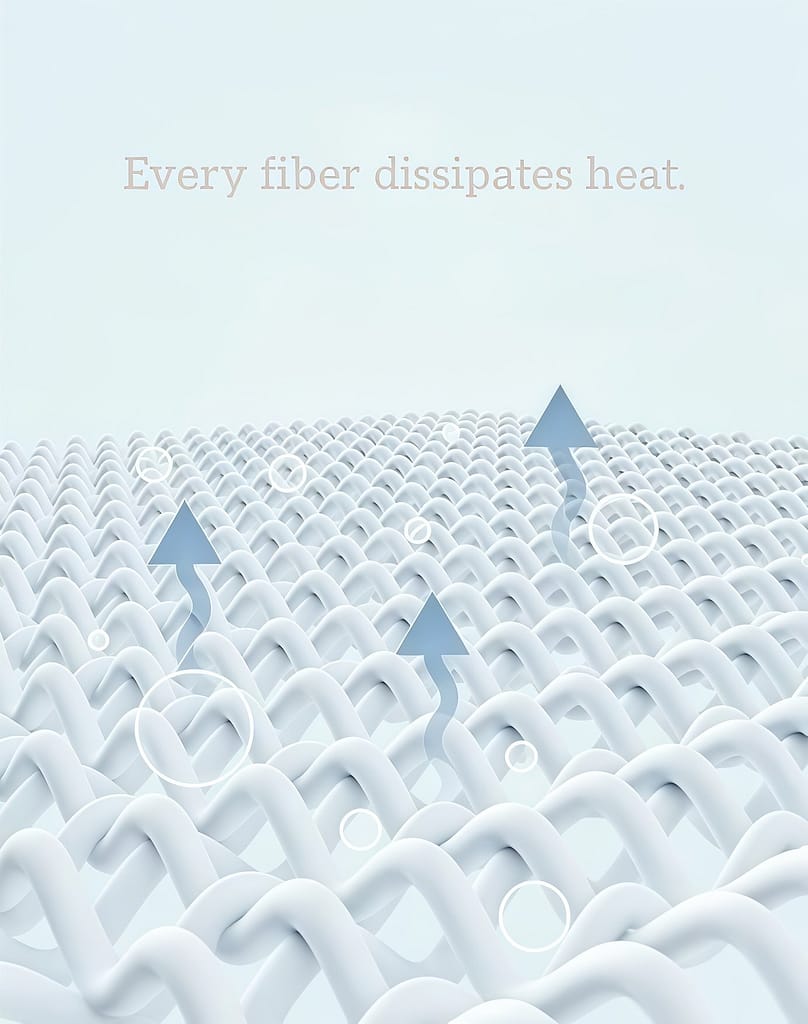
- Breathability: The fabric allows air circulation, ensuring comfort in various conditions.
Types of PBT Fabrics
PBT fabrics come in various forms, each with unique properties that suit different applications. Here are the main types:
PBT Knit Fabrics: These are highly flexible and stretchable, making them perfect for activewear, leggings, and sports bras. Their ability to stretch and return to shape ensures comfort and movement.
PBT Woven Fabrics: Woven PBT fabrics are more structured and durable. They’re commonly used in applications where strength and shape retention are essential, such as in outerwear or medical textiles.
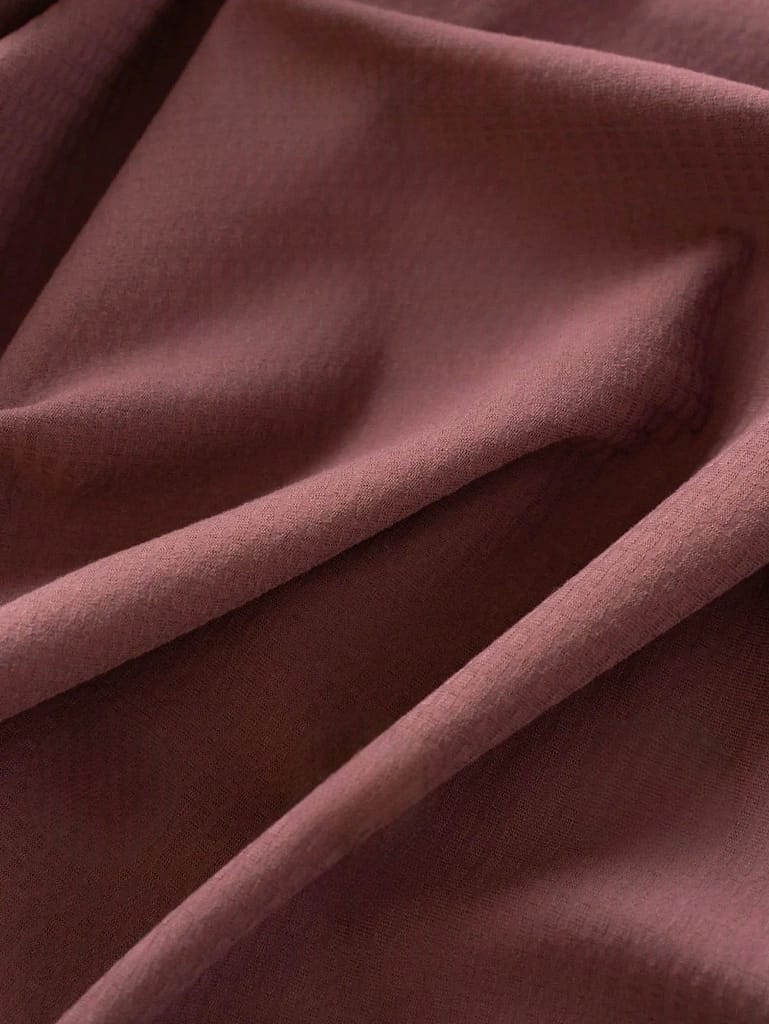
Blended PBT Fabrics: PBT is often blended with other fibers like polyester, elastane, or nylon to enhance certain characteristics, such as moisture-wicking, stretch, or durability. These blends are widely used in performance clothing, swimwear, and fashion.
Blends of Polyester and PBT Fabrics
Production Process of PBT Fabrics
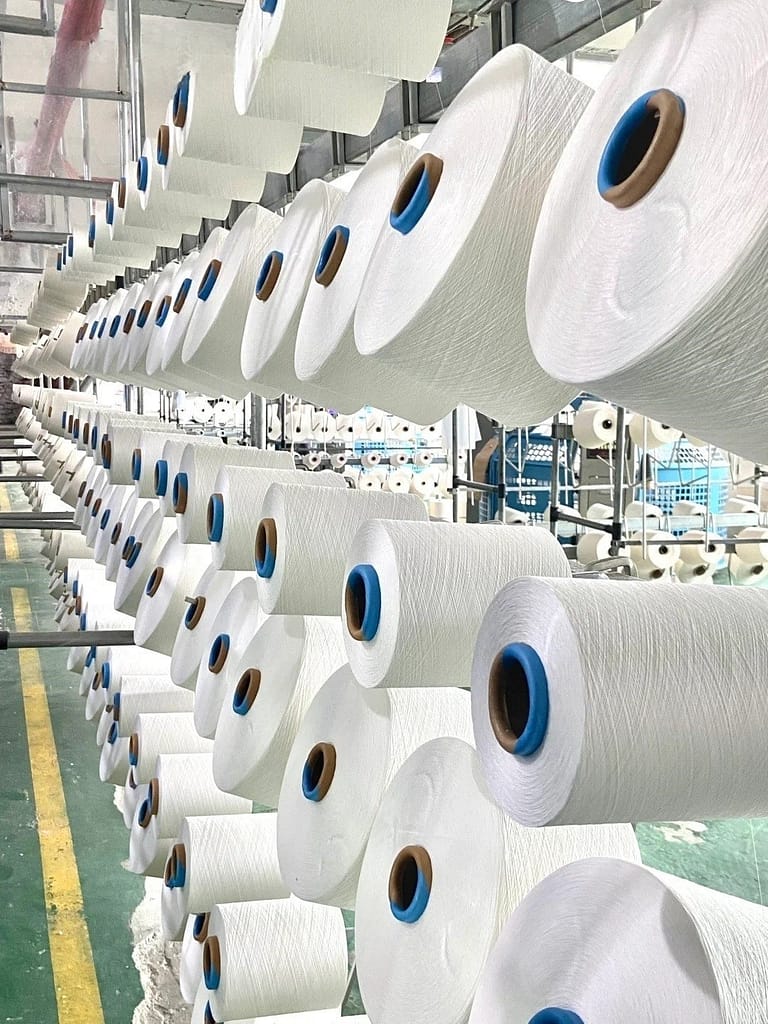
he production of PBT fabrics involves several key stages, from polymerization to the final fabric. Below is a step-by-step breakdown of the process:
| Step | Description |
|---|---|
| Polymerization | PBT is created by polymerizing terephthalic acid with butylene glycol. This forms a crystalline structure that gives the fabric its strength and flexibility. |
| Spinning | The polymer is melted and extruded through spinnerets to form continuous filaments or staple fibers, depending on the desired fabric type. |
| Weaving or Knitting | The fibers are either woven or knitted to create the fabric. Knit fabrics offer more stretch, while woven fabrics are more structured and durable. |
| Finishing | Post-production treatments such as dyeing, heat setting, and anti-wrinkle processes are applied to enhance fabric properties like color retention and moisture-wicking ability. |
| Sustainability | The production process has become more sustainable, with efforts to minimize waste and increase energy efficiency. Recycled PBT is also being used in some cases to reduce environmental impact. |
Advantages of PBT Fabrics
PBT fabrics offer a range of advantages that make them a popular choice for various textile applications. Here are the key benefits:
- Comfort and Fit: PBT’s elasticity ensures a comfortable fit, allowing garments to stretch and move with the wearer. Its recovery properties help the fabric maintain its shape, providing a long-lasting, consistent fit.
- Performance Benefits: PBT fabrics are durable, moisture-wicking, and breathable, making them ideal for activewear, sports, and swimwear. They perform well under stress, resisting shrinkage and fading over time.
- Environmental Impact: As consumer demand for sustainable textiles grows, PBT offers an eco-friendly option. Some PBT fabrics are made from recycled materials, reducing the environmental footprint of production.
Uses of PBT Fabrics
PBT fabrics are highly versatile and used across a range of industries due to their unique properties. Below are some of the most common applications:
- Activewear and Sportswear: The stretchability, moisture-wicking, and durability of PBT make it ideal for performance clothing such as leggings, gym wear, and sports bras, where comfort and flexibility are key.
- Swimwear: PBT’s ability to resist chlorine and UV radiation makes it a preferred material for swimwear, ensuring longevity and color retention even after frequent exposure to pool water and sunlight.
- Medical Textiles: PBT fabrics are used in medical applications like bandages, surgical gowns, and other healthcare textiles due to their strength, flexibility, and resistance to bacterial growth.
- Home Textiles: PBT is increasingly being used in home applications such as upholstery, curtains, and cushions, where durability, easy care, and resistance to fading are important.
- Fashion: PBT fabrics also find use in fashion garments, especially those requiring stretch, such as dresses, shirts, and outerwear, offering both comfort and style.
Care of PBT Fabrics
To ensure the longevity and optimal performance of PBT fabrics, proper care is essential. Here are some guidelines for maintaining PBT textiles:
- Washing: PBT fabrics should be machine-washed in cold water with mild detergent. Avoid using bleach, as it can damage the fabric and affect its color retention. Hand washing is also an option for delicate items.
- Drying: It’s recommended to air-dry PBT fabrics to maintain their elasticity and shape. Tumble drying on low heat may be used, but high temperatures can cause shrinkage or damage.
- Storage: Store PBT garments in a cool, dry place away from direct sunlight to prevent fading and degradation. Avoid folding garments for long periods to maintain their shape.
- Avoiding Damage: To keep PBT fabrics looking their best, avoid excessive friction, which can cause pilling or wear. For swimwear, rinse immediately after exposure to chlorine or saltwater to prevent deterioration.
Trends and Innovations in PBT Fabrics
PBT fabrics continue to evolve with key trends shaping their future:
- Sustainability: Increasing use of recycled PBT fibers to reduce environmental impact.
- Smart Fabrics: Integration of moisture control, temperature regulation, and antimicrobial features for enhanced performance.
- Improved Durability: Advancements in resistance to abrasion, UV rays, and chlorine.
- Blended Fabrics: Combining PBT with fibers like nylon and elastane for added stretch and breathability.
Conclusion
PBT fabrics offer a unique combination of flexibility, durability, and comfort, making them a top choice for a wide range of applications, from activewear to medical textiles. With advancements in production techniques and growing sustainability efforts, PBT continues to meet the evolving demands of the textile industry. Whether for performance-driven apparel or eco-conscious fashion, PBT fabrics are set to play a significant role in shaping the future of textiles.