Introduction
Jute fabric stands out as one of the most eco-friendly and durable natural textiles available today. Known as the “golden fiber,” it combines rustic charm with remarkable strength and biodegradability, making it a top choice in sustainable fashion, packaging, and home decor.
As the demand for environmentally responsible materials grows, jute continues to gain attention for its minimal environmental impact and practical versatility. Its earth-toned appearance and coarse texture not only reflect its natural origins but also lend a unique style to modern design.
Origins and History
Jute has a long-standing heritage rooted in the Indian subcontinent, especially in regions of present-day Bangladesh and eastern India. Cultivated for thousands of years, jute became a crucial commodity for making ropes, sacks, and mats due to its strength and availability.
During the British colonial era, jute was industrialized in cities like Dundee, Scotland, and became a major export crop. Known as the “golden fiber” not only for its golden sheen but also for its economic value, jute supported millions of livelihoods and played a vital role in agricultural economies.
Today, jute’s historical legacy continues to evolve, as it becomes central to sustainable practices in modern industries.
What Is Jute Fabric?
Jute fabric is a textile made from the long, soft, and shiny fibers harvested from the jute plant’s stalk. It is classified as a bast fiber, meaning it comes from the plant’s outer stem. Known for its coarseness and strength, jute is primarily spun into threads and woven into durable fabrics.
Unlike many synthetic textiles, jute is 100% biodegradable and compostable, making it a top choice for eco-conscious products. It naturally comes in golden-brown tones and is valued for its breathability, affordability, and minimal environmental footprint. While traditionally used for sacks and ropes, jute has now found its way into fashion, home goods, and green packaging solutions.
Key Characteristics
Jute fabric offers a unique combination of rugged functionality and environmental friendliness. Its key features include:
- High Tensile Strength: Jute fibers are incredibly strong, making the fabric ideal for carrying heavy loads and withstanding wear.
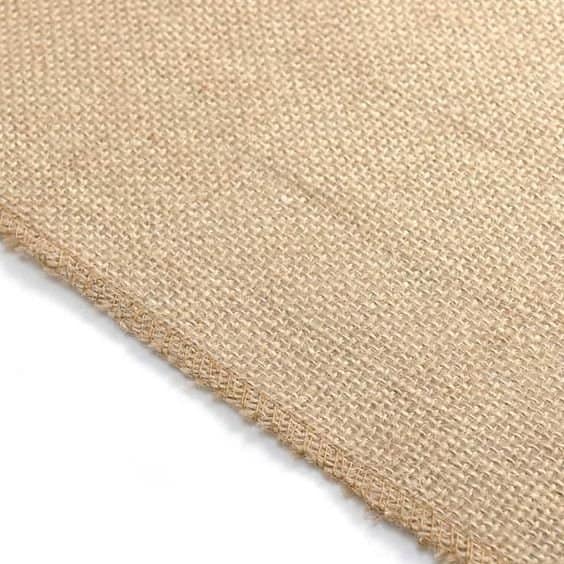
- Coarse Texture: Naturally rough to the touch, jute fabric has a rustic appeal that suits eco-themed designs and craftwork.
- Biodegradable and Recyclable: As a natural plant fiber, jute decomposes quickly without harming the environment.
- UV Resistant: Jute can withstand sunlight exposure better than many synthetic alternatives, making it suitable for outdoor use.
- Breathable: The fabric allows air to pass through easily, preventing moisture buildup and making it great for storage bags and agricultural uses.
- Cost-Effective: Jute is inexpensive to grow and process, making the resulting fabric both affordable and sustainable.
Types of Jute Fabrics
Jute fabric comes in several distinct types, each tailored for specific uses based on weight, weave, and finish:
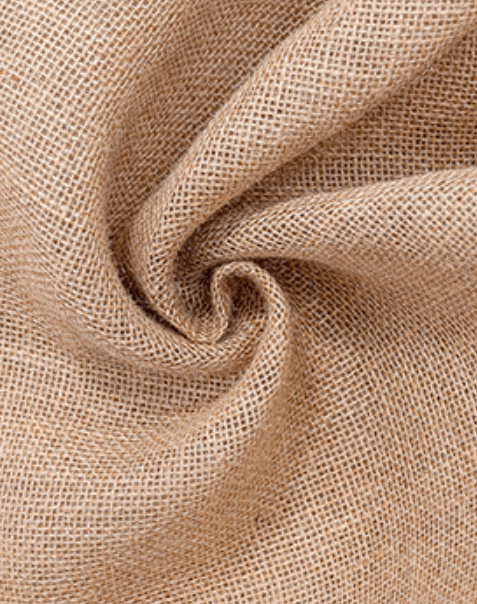
- Hessian (Burlap)
A lightweight, loosely woven jute fabric often used for sacks, tote bags, crafts, and decorative purposes. Its breathable nature makes it ideal for agricultural storage and packaging.
- Sacking Cloth
A heavier, coarser jute fabric used primarily for making industrial sacks and bags to carry grains, sugar, and other bulk goods. It offers enhanced durability and strength.
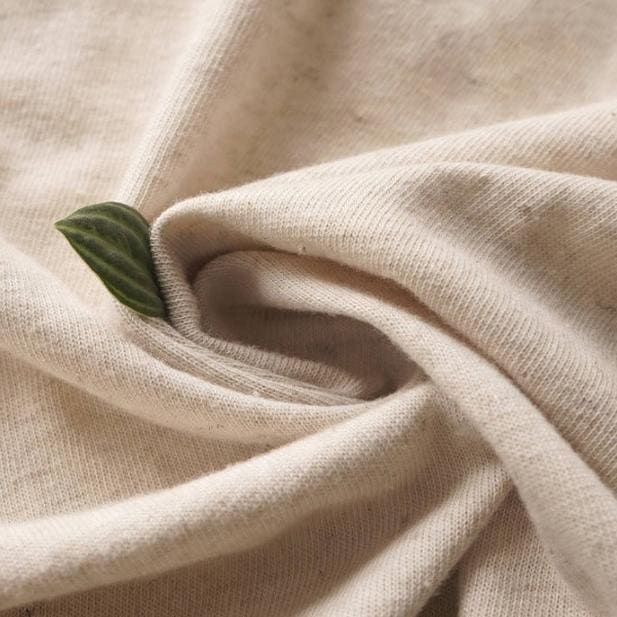
- Jute Blends
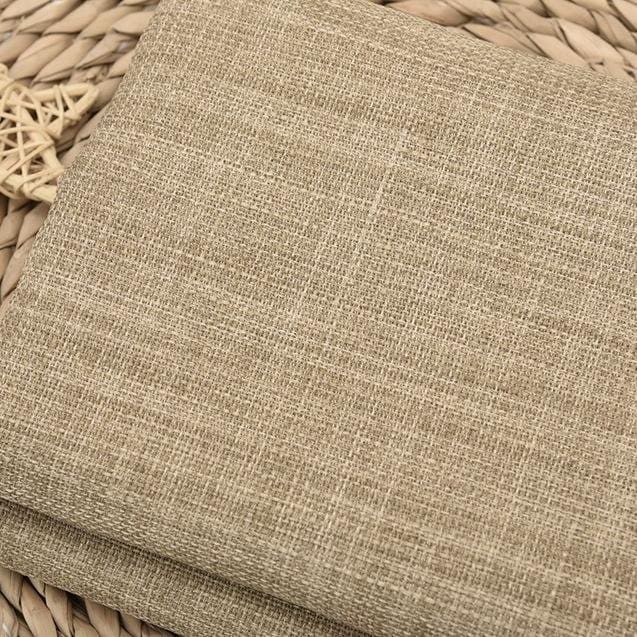
Jute is often blended with cotton, wool, or synthetics to improve softness and visual appeal. These blends are used in fashion items, upholstery, and soft furnishings.
Production Process
Jute fabric is made through an eco-conscious and largely manual process that preserves the fiber’s natural qualities. Below is a breakdown of the key steps involved:
Jute Fabric Production Process
| Step | Description |
|---|---|
| 1. Cultivation | Jute plants are grown primarily in warm, humid regions with plenty of rainfall, especially in India and Bangladesh. |
| 2. Retting | After harvesting, the stalks are soaked in water (traditionally in ponds) to loosen the fibers from the woody core—a process known as retting. |
| 3. Fiber Extraction | The softened fibers are manually stripped from the stalks, washed, and sun-dried. |
| 4. Spinning | The raw jute fibers are carded (combed) and spun into yarn using mechanical or manual methods. |
| 5. Weaving | The yarn is woven into fabric using traditional looms or modern power looms, depending on the desired quality and finish. |
| 6. Finishing | The fabric may be treated (e.g., softened, dyed, laminated) or left raw, depending on its end use. |
Common Applications
Jute fabric’s natural durability and eco-friendly properties make it highly versatile across various industries. Its applications include:
- Home Decor
Jute is widely used in making rugs, curtains, lampshades, wall hangings, and cushion covers. Its rustic texture adds warmth and an organic feel to interiors. - Fashion and Accessories
Designers use jute for handbags, sandals, belts, and increasingly, in jute-cotton blended garments. It’s especially popular in eco-conscious fashion collections. - Packaging and Storage
Jute sacks, shopping bags, and gift wraps are sustainable alternatives to plastic. They’re reusable, breathable, and compostable. - Agricultural and Industrial Use
Jute is used in geo-textiles to prevent soil erosion, in plant root covers, and for transporting agricultural produce. Its strength and biodegradability make it ideal for these purposes. - Crafts and Event Decor
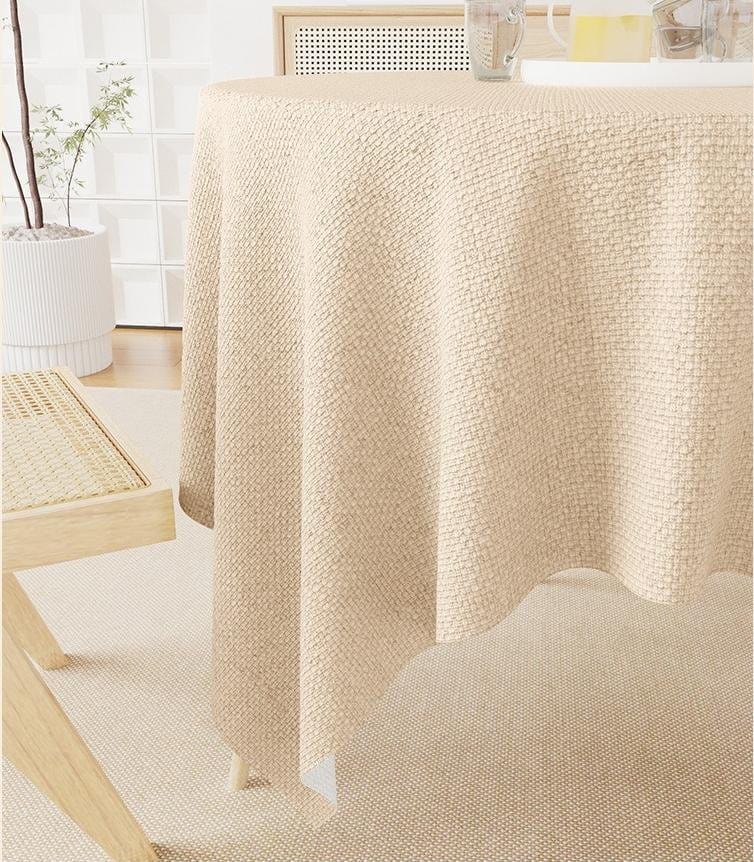
Burlap (a type of jute) is a favorite for rustic-themed weddings, event backdrops, table runners, and DIY crafts due to its natural charm and texture.
Care and Maintenance
Proper care extends the life and appearance of jute fabric products. Here are some tips:
- Cleaning: Spot clean with a damp cloth and mild detergent. Avoid soaking as jute can weaken when wet. For rugs and larger items, professional dry cleaning is recommended.
- Drying: Always air dry jute away from direct sunlight to prevent brittleness and fading.
- Storage: Store in a dry, well-ventilated area to avoid mold and mildew. Avoid plastic bags that trap moisture.
- Handling: Handle gently to prevent fraying and damage to the coarse fibers.
Conclusion
Jute fabric, with its natural strength, rustic charm, and eco-friendly nature, continues to be a vital material across diverse industries. From traditional agricultural uses to modern sustainable fashion and home decor, jute combines practicality with environmental responsibility.
Its biodegradability and versatility make it an excellent choice for a greener future, while innovations in processing and blending expand its appeal. As consumers and industries increasingly prioritize sustainability, jute fabric stands out as a timeless and earth-friendly textile ready to meet the demands of tomorrow.