Introduction
Starting a clothing line is an exciting journey, but it requires careful planning and strategic thinking. A business plan serves as your roadmap to success, helping you clarify your vision, set realistic goals, and make informed decisions. Without a well-thought-out plan, your clothing brand could easily lose direction or fail to capture its target market.
In this article, we’ll break down the key steps to developing your clothing line’s business plan, providing actionable insights you can use to bring your fashion vision to life.
Brand Identity and Market Research
Brand Identity: Defining Your Clothing Line’s Character
Your brand identity is the soul of your clothing line. It’s the combination of your values, aesthetic, voice, and mission that will shape everything from your product design to your marketing efforts. Establishing a strong brand identity is crucial because it helps you connect with your target audience and stand out in a competitive market.
Key elements to consider when defining your brand identity:
- Brand Vision & Mission: What is your brand’s long-term vision? What mission will your brand accomplish in the fashion world? This is where you express the purpose behind your clothing line and how you want to impact your customers. For example, a brand focused on sustainability might have a mission to “reduce textile waste through stylish, eco-conscious clothing.”
- Core Values: What values will guide your clothing line’s decisions? These could include sustainability, inclusivity, creativity, or quality. Your values should align with your target market’s expectations and resonate with their preferences. Brands like Patagonia, for instance, have thrived by staying true to their environmental values.
- Brand Personality & Aesthetic: What’s the vibe of your brand? Is it playful and bold, sophisticated and elegant, or minimalist and modern? Your brand’s aesthetic will guide your product design, website, and marketing materials. Consistency in visual elements like logos, color schemes, and fonts is key to establishing a recognizable identity.
Market Research: Understanding Your Audience and Competition
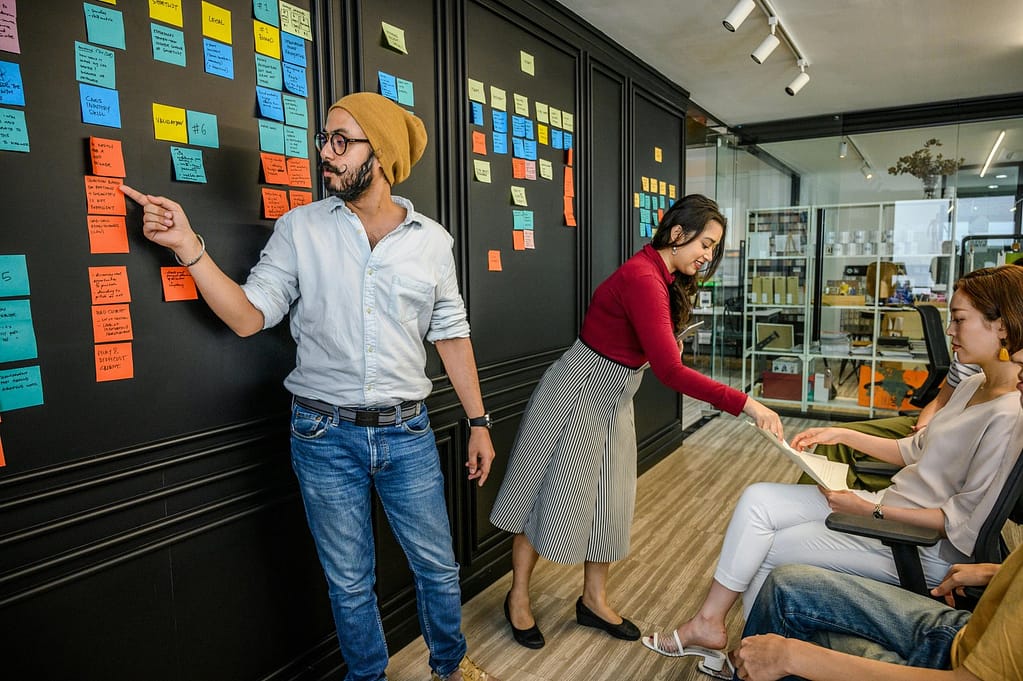
Market research helps you understand the demand for your products, define your target audience more precisely, and position your brand effectively in the marketplace. This process involves both qualitative and quantitative research to make informed decisions about your product offerings and marketing strategies.
- Target Audience Research: Start by identifying the demographics and psychographics of your ideal customers. Demographics include age, gender, location, income, and education level, while psychographics dive deeper into lifestyle, values, and purchasing behavior. Use surveys, social media analytics, and focus groups to gain insights into their preferences.
- Competitor Analysis: Study your direct competitors—other clothing lines that cater to a similar audience. What are their strengths and weaknesses? How are they positioning their products? What are their price points? By understanding where your competitors succeed and where they fall short, you can find opportunities to differentiate your brand and offer something unique.
- Trend Analysis: The fashion industry moves quickly, and staying on top of trends is crucial. Research both macro and micro trends in fashion—what’s happening globally, and what’s gaining popularity within your niche? Tools like Google Trends, social media platforms (Instagram, TikTok), and fashion reports can help you track what’s in demand.
By conducting thorough market research, you ensure that your clothing line is not only aligned with your target audience’s needs but also has the potential to thrive in a competitive market.
Product Line and Design Plan
Product Line: Outlining Your Collection
Your product line is the heart of your clothing brand. It’s important to define what types of products you’ll be offering and how they align with your brand identity. Whether you’re focusing on everyday wear, luxury items, or a specific niche like athleisure or streetwear, each piece should reflect your brand’s vision and meet your target market’s needs.
Key points to consider when developing your product line:
- Product Categories: Decide on the main categories of clothing your brand will offer. Will you focus on women’s wear, men’s wear, or unisex designs? Will you offer accessories, such as bags, hats, or scarves, in addition to clothing? For instance, a brand might start with a core collection of t-shirts and sweatshirts, then gradually expand into outerwear or formal wear.
- Signature Designs: Identify any key products or designs that will define your brand. This could be a specific fabric choice, unique cuts, patterns, or customizations. Think about what will make your brand recognizable—whether it’s a logo, a certain type of stitching, or a signature color palette.
- Product Range: Plan your product offerings for each collection. Will you launch a seasonal line, or will you offer timeless pieces year-round? Define the scope of your first collection—how many pieces will you introduce, and how will they appeal to your target market?
- Quality and Sourcing: Choose high-quality materials that align with your brand values. For example, if sustainability is a key part of your brand, you might focus on organic fabrics, recycled materials, or eco-friendly dyes. Establish relationships with trusted suppliers and manufacturers who can deliver consistent quality at scale.
Design Plan: Bringing Your Vision to Life
Your designs will shape the perception of your brand. A solid design process ensures that your clothing line not only looks great but also meets functional and production requirements. Here’s how to approach the design phase:
- Sketching and Concept Development: Start by sketching out your designs. Whether you’re working with a fashion designer or doing it yourself, this is where you translate your ideas into tangible concepts. Each piece should align with your brand’s aesthetic and appeal to your target audience. Create mood boards, color palettes, and fabric swatches to guide your designs.
- Prototypes and Sampling: Once your designs are finalized, it’s time to create prototypes or samples. This step helps you test the fit, comfort, and overall look of your designs before moving into production. Work closely with your manufacturer to ensure the samples meet your quality standards and match your vision.
- Production Planning: Consider the scalability of your production process. Will you produce in small batches or aim for large-scale production from the start? Choose manufacturers who can deliver high-quality products within your timeline and budget. Additionally, factor in production costs, timelines, and potential risks in this stage of planning.
- Pricing Strategy: Your pricing should reflect the value of the product, your brand positioning, and your target audience’s purchasing power. For example, if you’re positioning your brand as a premium, luxury line, your pricing should match the quality of materials and craftsmanship. Similarly, for more accessible lines, you’ll need to ensure your pricing remains competitive.
By carefully planning your product line and design process, you ensure that your clothing brand offers well-crafted, market-ready pieces that resonate with your customers and align with your overall brand identity.

Business Structure and Operations
Business Model: Defining How You’ll Operate
The business model outlines how your clothing line will operate and generate revenue. Choosing the right model is essential because it impacts everything from pricing strategies to sales channels and growth potential. Here are the main business models to consider for your clothing line:
- Direct-to-Consumer (DTC): In this model, you sell your products directly to customers through your website, physical store, or pop-up shops. This model allows you to control the customer experience, build stronger relationships with your audience, and retain higher margins by cutting out middlemen.
- Wholesale: You sell your products in bulk to retailers who then resell them to customers. This model works well if you’re aiming for wider distribution and want to leverage established retail networks. However, it typically comes with lower margins since retailers will buy at a discount.
- Hybrid: A hybrid model combines both DTC and wholesale approaches. For instance, you may sell your clothing directly to consumers online and in pop-up shops, while also partnering with a few key retailers to expand your brand reach.
Deciding which model works best for your clothing line depends on your target market, production capacity, and brand strategy. Keep in mind that each model has its own set of pros and cons, so it’s important to align your choice with your goals and resources.
Sales Channels: Reaching Your Customers
Once you’ve defined your business model, you need to determine how you will sell your products. This decision affects everything from your website design to customer service practices. Here are the main sales channels to consider:
- E-commerce: Setting up an online store is essential in today’s digital world. Your website should reflect your brand’s identity, offering a seamless shopping experience, easy navigation, and secure payment options. You can sell through your own website or on third-party platforms like Etsy or Amazon, depending on your approach.
- Physical Retail (Boutiques/Flagship Stores): If you plan to have a physical store, think about your location, store layout, and design. A flagship store can act as a brand showcase, offering a tactile, immersive experience for customers. Additionally, consider partnering with boutiques or department stores to expand your reach.
- Pop-up Shops and Events: Pop-up shops are temporary retail spaces that allow you to showcase your clothing line in various locations. They can help you test new markets, build brand awareness, and directly interact with customers. Additionally, participating in fashion events or trade shows can increase exposure.
Production Process: From Concept to Creation
Your production process defines how efficiently you bring your designs to life and deliver them to customers. The process should be scalable, cost-effective, and aligned with your brand values (e.g., sustainability, quality, or ethical practices). Here’s how to approach your production:
- In-House vs. Outsourcing: Decide whether you’ll manufacture your products in-house or partner with a third-party manufacturer. In-house manufacturing gives you more control over the process, but it’s often more expensive and resource-intensive. Outsourcing can reduce costs, but you’ll need to manage relationships with manufacturers to ensure quality and timeliness.
- Supply Chain and Sourcing: Identify reliable suppliers for raw materials and fabrics. Build strong relationships with them to ensure consistent quality, fair pricing, and reliable delivery timelines. For sustainable clothing brands, sourcing eco-friendly materials from certified suppliers is a crucial aspect to consider.
- Inventory Management: Implement a system to track your inventory levels, order supplies, and manage stock efficiently. This will help prevent stockouts or overstock situations, both of which can affect your cash flow. Many e-commerce platforms offer inventory management tools that sync with your online store, making it easier to track your stock levels.

Scaling and Growth Strategies
Expanding Your Product Line: Diversification for Growth
As your clothing line establishes a solid foundation, you may want to expand your offerings. Adding new products or variations can attract a broader audience, increase sales, and keep your brand fresh. Here’s how to diversify your product line:
- New Collections and Categories: Consider expanding into new clothing categories that align with your brand, such as accessories, footwear, or outerwear. Keep an eye on emerging trends and customer preferences to introduce timely and relevant products.
- Seasonal Collections: Offering seasonal collections can help you stay relevant year-round. For example, releasing a summer collection or holiday-themed items can create excitement and drive sales during specific times of the year.
- Customization and Limited Editions: Allowing customers to customize products or offering limited edition items can create exclusivity and drive demand. Personalized clothing, unique designs, or collaborations with artists can also make your products stand out.
Increasing Distribution Channels: Reaching New Audiences
Expanding your distribution channels allows you to reach a larger customer base. Here are strategies for increasing your distribution reach:
- Global Expansion: If your brand is performing well in your local market, consider expanding internationally. Research the market trends, customer preferences, and legal regulations of new regions to ensure a smooth entry. You can start with online sales or partner with international retailers.
- Pop-up Stores and Events: Hosting pop-up shops and participating in fashion events or trade shows are great ways to test new markets and attract new customers. These short-term retail experiences offer a tangible connection to your brand, which can increase loyalty and sales.
- Retail Partnerships: In addition to e-commerce and DTC channels, you can expand by forming partnerships with larger retailers, both online and offline. These partnerships can provide you with access to wider audiences and higher sales volumes.
Sustainability and Ethical Practices: Growing Responsibly
As your business grows, focusing on sustainability and ethical practices can help you differentiate your brand in the competitive fashion market. Modern consumers are increasingly seeking brands that align with their values, especially in terms of environmental and social responsibility.
- Sustainable Sourcing: Consider using eco-friendly fabrics and materials, and work with suppliers who prioritize sustainability. Certifications like GOTS (Global Organic Textile Standard) or Fair Trade can add credibility to your claims.
- Ethical Manufacturing Practices: Partner with manufacturers who pay fair wages, maintain safe working conditions, and adhere to ethical labor practices. Transparency in your supply chain can attract conscientious consumers and improve your brand image.
- Eco-Friendly Packaging: Offer sustainable packaging options, such as recycled or biodegradable materials. Reducing plastic use and minimizing waste can resonate with environmentally conscious customers.
Conclusion: Bringing Your Clothing Line to Life
Developing a business plan for a clothing line is a multifaceted process that involves careful planning, dedication, and a clear vision. By following the steps outlined in this article, you’ll be better equipped to turn your passion for fashion into a successful and sustainable business.
At GOPHERWOOD, we’re committed to bringing your fashion ideas to life with precision and quality craftsmanship. Whether you’re looking to create a one-of-a-kind design or build a full collection, we offer manufacturing solutions that cater to your needs. Our team of skilled professionals ensures your products are made with the finest materials and the latest production techniques. Ready to turn your vision into reality? Let GOPHERWOOD be your trusted partner in creating the clothing line of your dreams.