Introduction
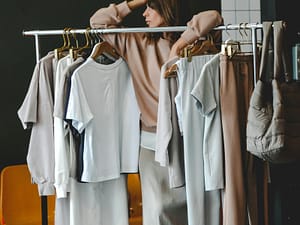
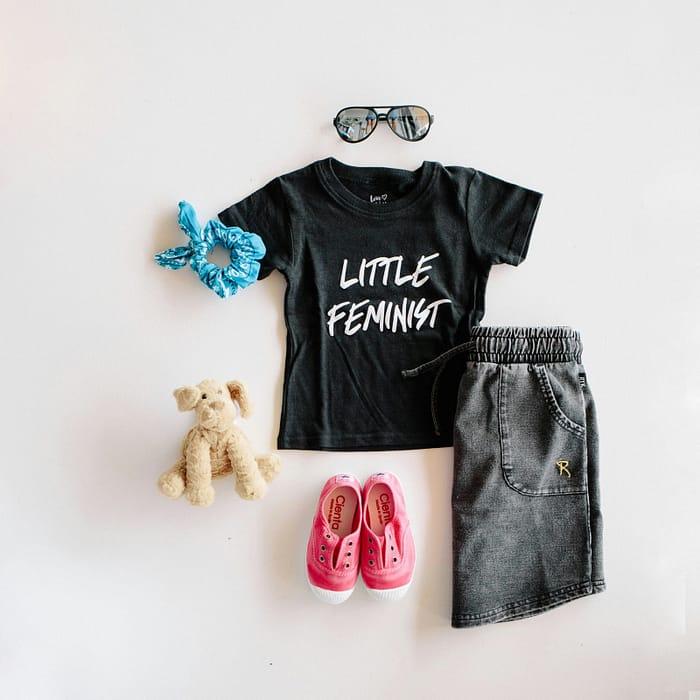
The children’s fashion industry has evolved far beyond basic utility. Today, parents and caregivers are seeking clothing that reflects personality, values, and style—without compromising on comfort, safety, or sustainability. As demand for unique, thoughtfully designed children’s apparel grows, new fashion labels have a real opportunity to carve out a space in this exciting market.
However, starting a children’s brand is not without challenges. From understanding material safety standards to managing small-batch production, new designers often face hurdles that can delay or derail their vision. That’s where a reliable manufacturing partner becomes essential.
From Idea to Identity: Building Your Brand Vision
Embarking on the journey to create a children’s fashion label begins with a clear and compelling brand vision. This foundational step shapes every aspect of your brand, from design aesthetics to marketing strategies. Here’s how to build a strong brand identity:
Define Your Mission and Values
Start by articulating the core purpose of your brand. Ask yourself:
- What inspired you to enter the children’s fashion industry?
- What values are most important to your brand (e.g., sustainability, inclusivity, innovation)?
- How do you want your brand to impact children’s lives and the fashion industry?
A well-defined mission statement serves as a guiding star, ensuring consistency in decision-making and brand messaging.
Identify Your Target Audience
Understanding your target market is crucial. Consider factors such as:
- Age Group: Are you designing for infants, toddlers, or pre-teens?
- Demographics: What are the characteristics of the parents or guardians (e.g., age, income level, lifestyle)?
- Psychographics: What are their values, interests, and purchasing behaviors?
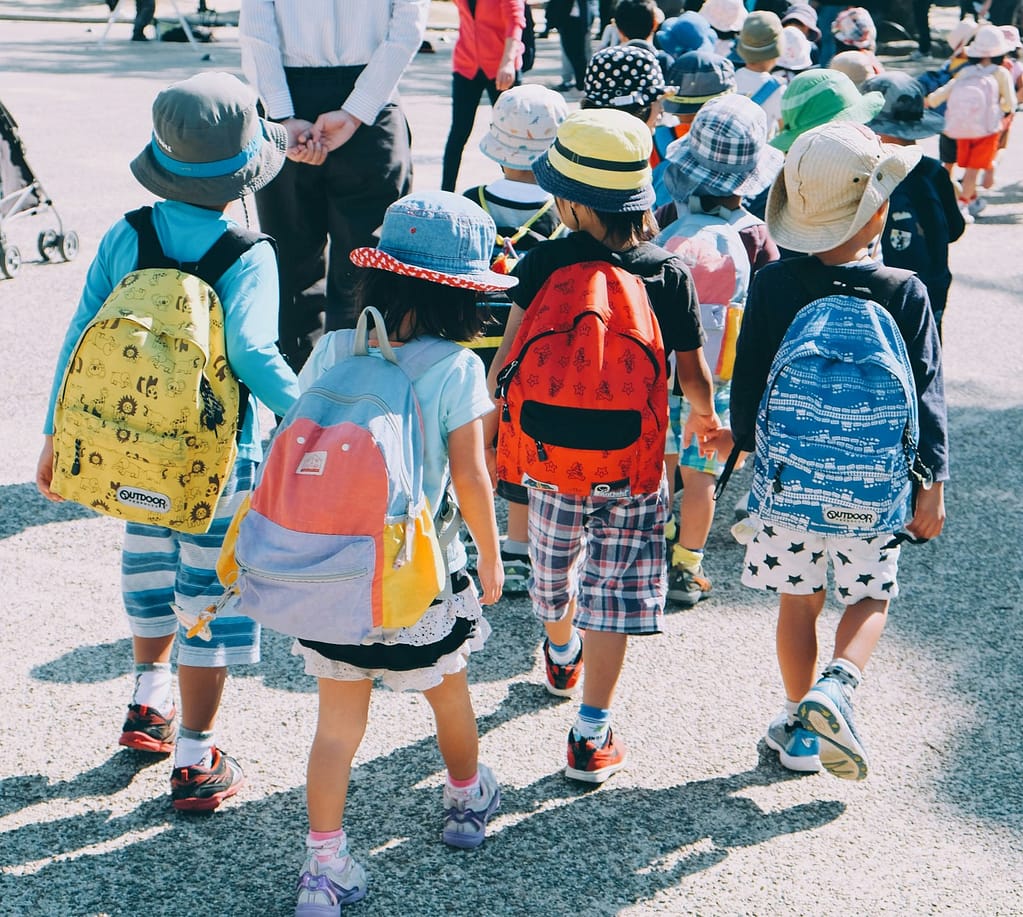
Creating detailed customer personas can help tailor your products and marketing efforts to meet the specific needs and preferences of your audience.
Craft Your Brand Story
A compelling brand story connects emotionally with your audience and differentiates you from competitors. Your story should convey:
- The inspiration behind your brand
- The journey you’ve undertaken to bring your vision to life
- The unique qualities that set your brand apart
Authentic storytelling fosters trust and loyalty among customers, making them more likely to engage with and support your brand.
Trend-Driven and Child-Focused Design Development
Designing for children is a unique creative challenge that blends style, function, and practicality. The goal is to produce garments that are not only visually appealing but also suitable for active, growing bodies.
Balancing Trends with Timelessness
Children’s fashion is influenced by global trends, just like adult wear. Popular colors, playful graphics, nostalgic references, and minimalist styles all find their way into seasonal collections. But unlike fast-changing adult fashion, children’s wear also needs a degree of timelessness and reusability—especially for younger age groups where hand-me-downs are common.
Striking a balance between current trends and enduring appeal helps ensure that your pieces feel fresh while maintaining long-term value.
Designing with Real Kids in Mind
Children are always on the move, so comfort and functionality must lead every design decision. Key considerations include:
- Freedom of movement – Choose silhouettes that allow for play and exploration.
- Age-appropriate features – Avoid small buttons, sharp accessories, or uncomfortable fastenings.
- Durability – Reinforced seams, sturdy fabrics, and easy-care instructions go a long way.
- Sizing accuracy – Children grow fast; offering flexible sizing options and thoughtful design features like adjustable waists can improve fit and longevity.
Smart Fabric Choices and Material Sourcing
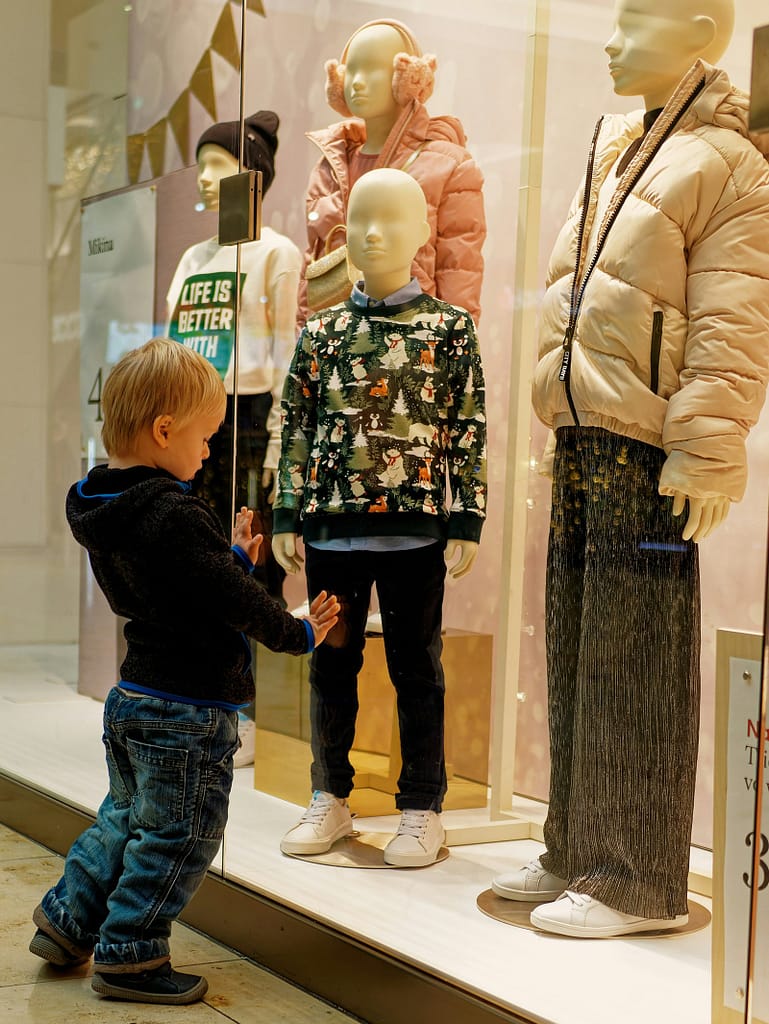
Choosing the right fabrics is one of the most critical decisions in developing a children’s clothing line. The fabric directly affects not only how a garment looks and feels, but also how it performs over time—especially important in kidswear, where comfort, safety, and resilience are non-negotiable.
Prioritizing Softness, Safety, and Sustainability
Children’s skin is more delicate than adults’, making soft and breathable fabrics essential. Cotton, especially organic cotton, remains a gold standard for its gentleness, durability, and versatility. Bamboo blends are also gaining popularity due to their silky feel and natural antibacterial properties.
Safety is just as important. Many parents are now actively looking for clothing made from certified fabrics—those that guarantee they’re free from harmful substances. Certifications like OEKO-TEX®, GOTS (Global Organic Textile Standard), or REACH compliance serve as trust signals, reassuring buyers that the materials are safe for children to wear.
Sustainability is becoming a central theme in modern fashion. Young families, particularly Millennial and Gen Z parents, often value eco-friendly brands. Using recycled fibers, biodegradable fabrics, or natural dyes can help build a more ethical brand identity while also reducing environmental impact.
_1_小亘100棉_来自小红书网页版.jpg)
Matching Fabric to Function
Every product in your line will have different demands:
- Basics and loungewear benefit from breathable, absorbent knits like jersey or interlock cotton.
- Playwear calls for durability and flexibility—fabrics like cotton-spandex or cotton-poly blends offer both.
- Formalwear might incorporate woven fabrics like linen or poplin, offering structure and elegance without sacrificing comfort.
- Winterwear needs insulation, which may come from quilted fabrics, padded linings, or soft brushed fleece.
- Swimwear requires stretch and quick-dry properties—nylon-elastane blends are often the go-to.
Understanding the end use of each garment helps ensure that your material choices align with customer expectations and child-friendly performance.
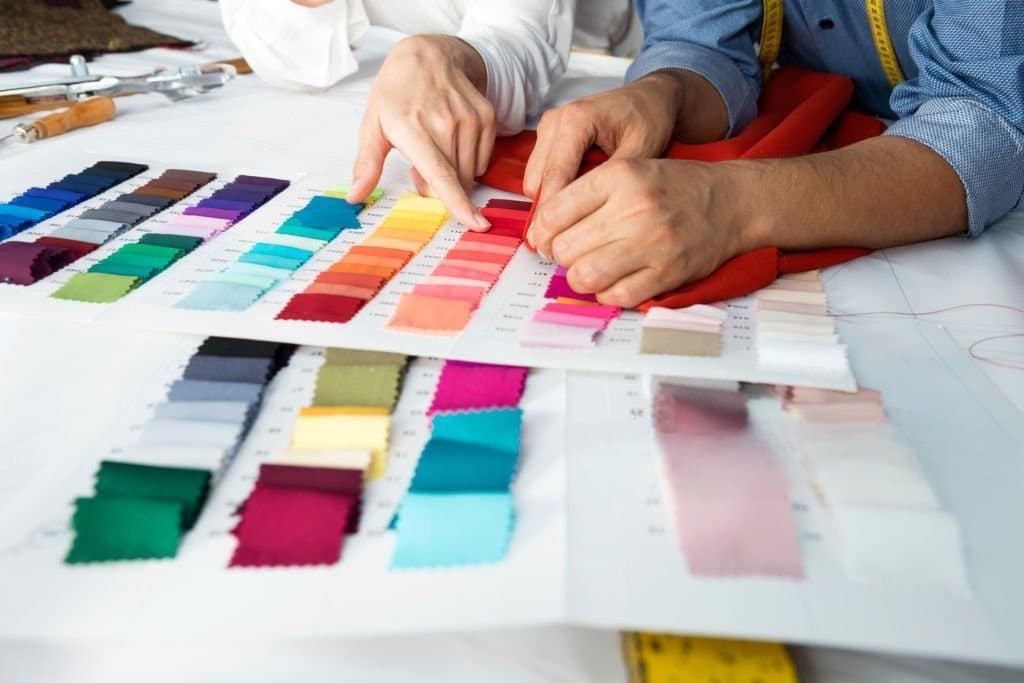
Color, Print, and Texture Considerations
Fabric is also a key storytelling element. Its color, texture, and pattern influence how each collection is received. Bright pastels and whimsical prints are common in babywear, while older kids may gravitate toward bold graphics or trendy textures like rib knits or corduroy. The fabric becomes part of your visual identity—consistent material themes across collections help strengthen brand recognition.
Navigating the Sourcing Process
Finding the right supplier is about more than selecting swatches. You’ll want to evaluate:
- Supplier transparency – Are they clear about where and how the fabric is produced?
- Sampling flexibility – Can they provide small quantities for prototyping?
- Fabric continuity – Can they deliver the same fabric quality across reorders?
- Lead times – Are timelines aligned with your production
- Sustainability practices – Do they align with your brand’s values?
From Sketch to Sample: Prototyping the Collection
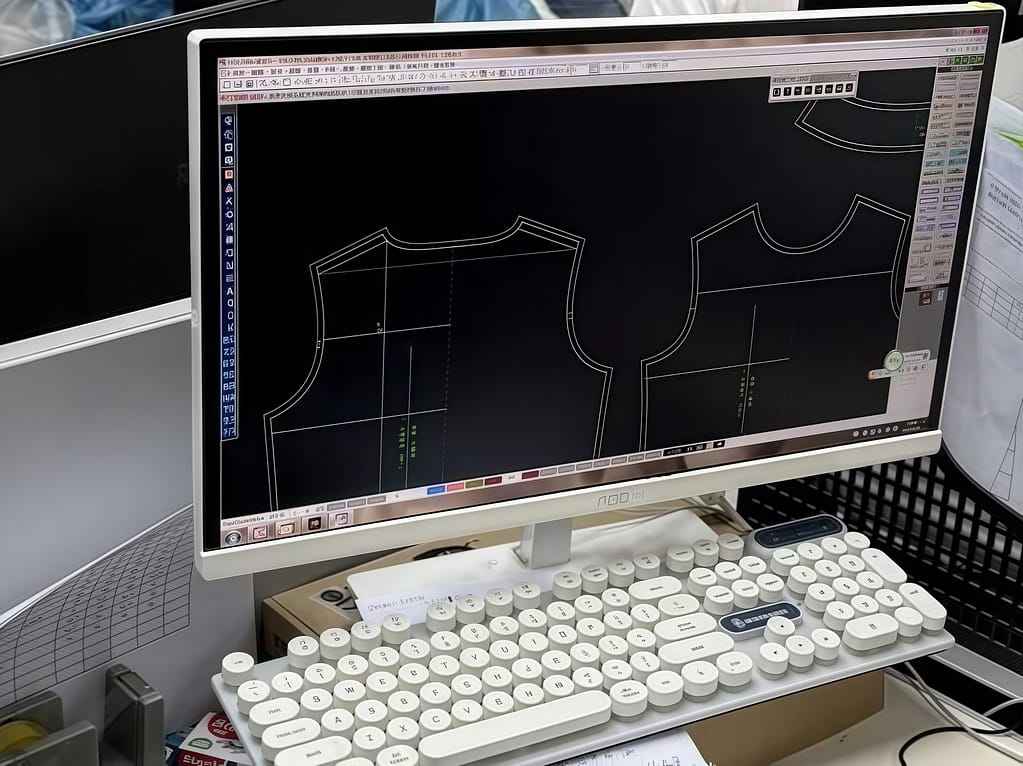
Turning ideas into tangible garments begins with pattern-making and sampling. Once your designs and tech packs are complete, skilled pattern makers create templates that translate flat sketches into 3D wearable forms—adjusted to suit children’s unique proportions and comfort needs.
The first physical versions—called proto samples—are produced using selected fabrics. These initial pieces allow you to check fit, fabric behavior, and construction quality. Expect a few rounds of revisions as you fine-tune every detail.
Real-life testing is essential. Children’s clothing must perform under movement, spills, and regular wear. Having kids try on the samples reveals issues that might not be obvious on a mannequin—like stiffness, pulling seams, or tricky fastenings.
Once the final version meets all standards, a pre-production sample is made. This becomes the benchmark for the full production run, ensuring consistency in sizing, color, stitching, and labeling.
Prototyping is where design meets reality—and it’s the key to delivering garments that are both beautiful and functional.
Ethical and scalable production
As your children’s fashion label grows, ensuring ethical and scalable production becomes paramount. Starting with small-batch manufacturing allows for flexibility, reduced waste, and the ability to respond swiftly to market feedback. This approach is particularly beneficial for startups aiming to test designs and gauge customer interest without overcommitting resources.
To uphold high ethical standards, partnering with manufacturers certified by recognized organizations is crucial. Certifications such as OEKO-TEX® Standard 100 ensure that textiles are free from harmful substances, making them safe for children’s sensitive skin . Additionally, certifications like SA8000 and WRAP focus on social accountability, ensuring fair labor practices and safe working conditions in the production process .
For brands looking to scale, embracing innovative production models can be advantageous. Microfactories, for instance, offer on-demand manufacturing capabilities, reducing overproduction and allowing for rapid adaptation to consumer demands . Such models not only support scalability but also align with sustainable and ethical production values.
Conclusion: Your Journey Starts Here
Embarking on the journey to create a unique children’s fashion label is both challenging and rewarding. From conceptualizing designs to ensuring ethical production, each step requires careful consideration and dedication. By prioritizing small-batch production, adhering to recognized ethical standards, and embracing innovative manufacturing models, your brand can establish a strong foundation built on trust, quality, and sustainability.
At GOPHERWOOD, we specialize in helping brands like yours bring their vision to life. As a B2B cross-border clothing manufacturer, we offer customized children’s clothing starting from just 200 pieces, with ethical, scalable production and global delivery support. Whether you’re launching your first collection or expanding your reach, we’re here to grow with you—every step of the way.