
Breakdown of the Total Cost of a Sweatshirt: From Fiber to Platform Fees
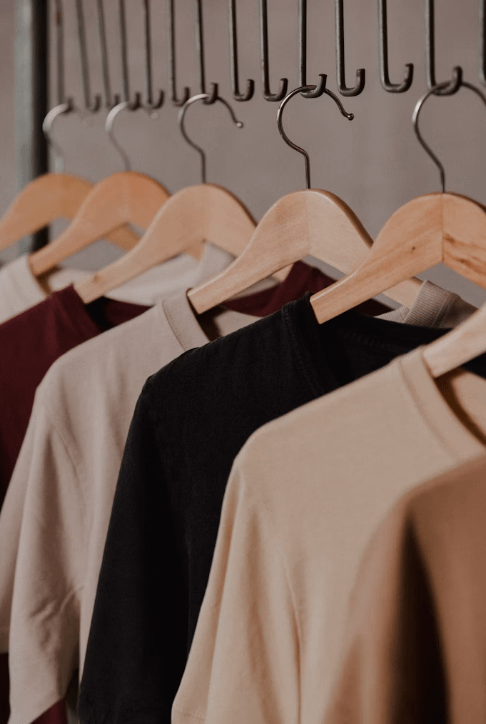
This article breaks down the full cost structure of a sweatshirt, covering raw materials, manufacturing, and external operational expenses such as logistics, platform fees, and return risks. It explains how understanding detailed cost components helps brands make informed decisions on pricing, design, and production strategies. With insights tailored to fast fashion, DTC, and premium segments, the article highlights the importance of cost transparency and the growing role of digital tools in modern apparel operations.
Outerwear for Men: Functional Fashion That Works – Business-Facing Outline

This article explores the business value and market potential of men’s outerwear, emphasizing the importance of combining function and fashion. It outlines key product categories—such as parkas, trench coats, bombers, and overcoats—and highlights essential features buyers prioritize, including insulation, waterproofing, and sustainability certifications. The discussion extends to fabric selection, manufacturing insights, and the growing demand for adaptable, climate-ready garments. With strategic product planning and quality sourcing, outerwear remains a high-impact category for apparel businesses seeking to expand their menswear offerings.
Felt Fabrics: Soft Structure with Endless Possibilities
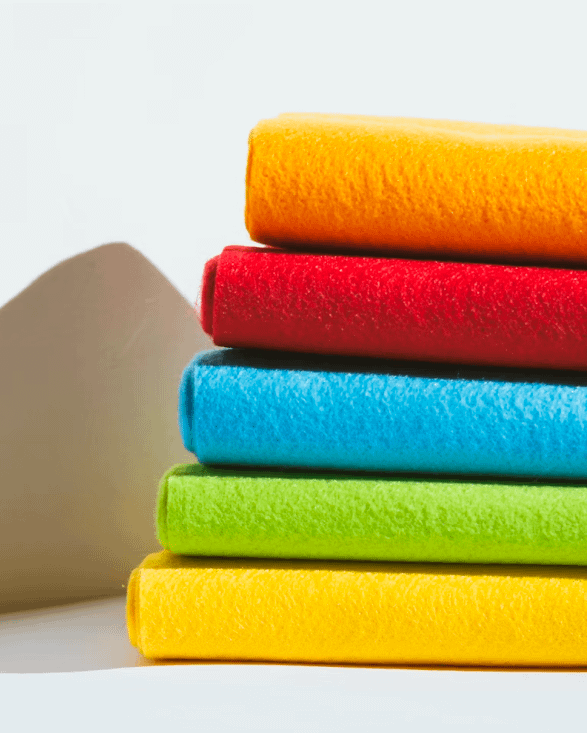
This article explores felt fabric—a unique non-woven textile known for its dense, soft structure and versatile uses. Originating from ancient times, felt is made by matting fibers together, resulting in a durable, insulating fabric that doesn’t fray when cut.Various types include natural wool felt, needle-felt, synthetic felt, and blends, each serving different purposes across fashion, home decor, crafting, and industrial applications.
Jute Fabrics: Natural Strength, Earth-Friendly Style
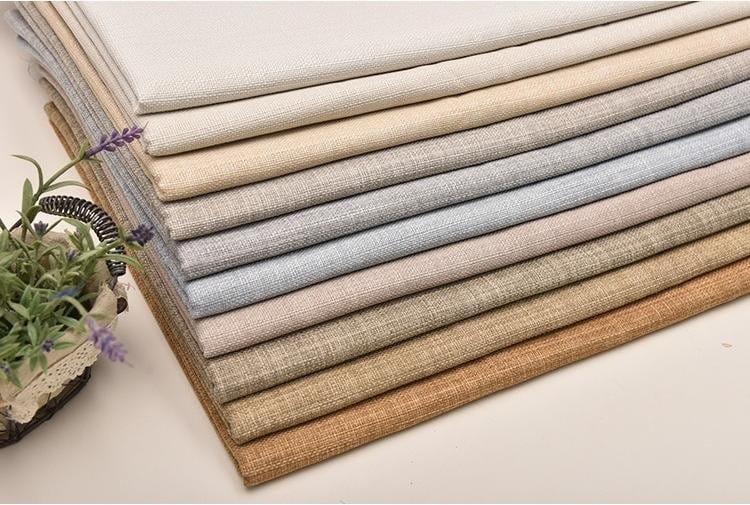
This article explores the enduring value and versatility of jute fabric—a natural, biodegradable textile known for its coarse texture and impressive strength. Originating from South Asia, jute has evolved from a traditional packaging material into a modern sustainable option for fashion, home decor, agriculture, and industry.
Pattern Grading: The Key to Perfect Fit Across Sizes

This article explores the essential role of pattern grading in apparel production, highlighting how it ensures consistent fit across a range of garment sizes. It explains what pattern grading is, how it works, the techniques and methods used, and the importance of accurate grade rules. With the rise of digital tools and inclusive sizing, grading has become more efficient and impactful than ever.
Fabric Sourcing Fundamentals: A Practical Guide for Apparel Professionals
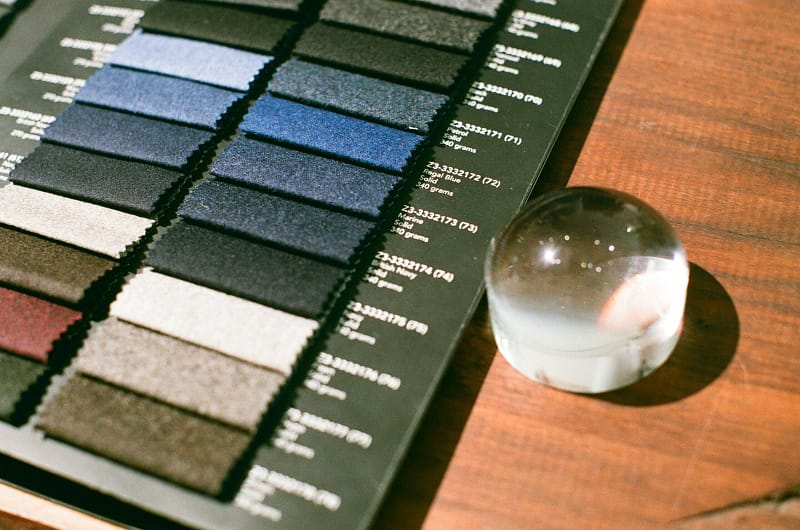
This article provides a comprehensive overview of fabric sourcing knowledge essential for apparel manufacturers and brands. It covers the types of fabric sources, key factors to consider when sourcing, and the specific challenges involved with different fabric types. The article also outlines the step-by-step sourcing process, highlights the importance of fabric testing and compliance, and discusses common pitfalls to avoid. Equipped with this knowledge, businesses can make smarter sourcing decisions to ensure quality, efficiency, and successful garment production.
Organza Fabrics: Gossamer Light with Lasting Impact
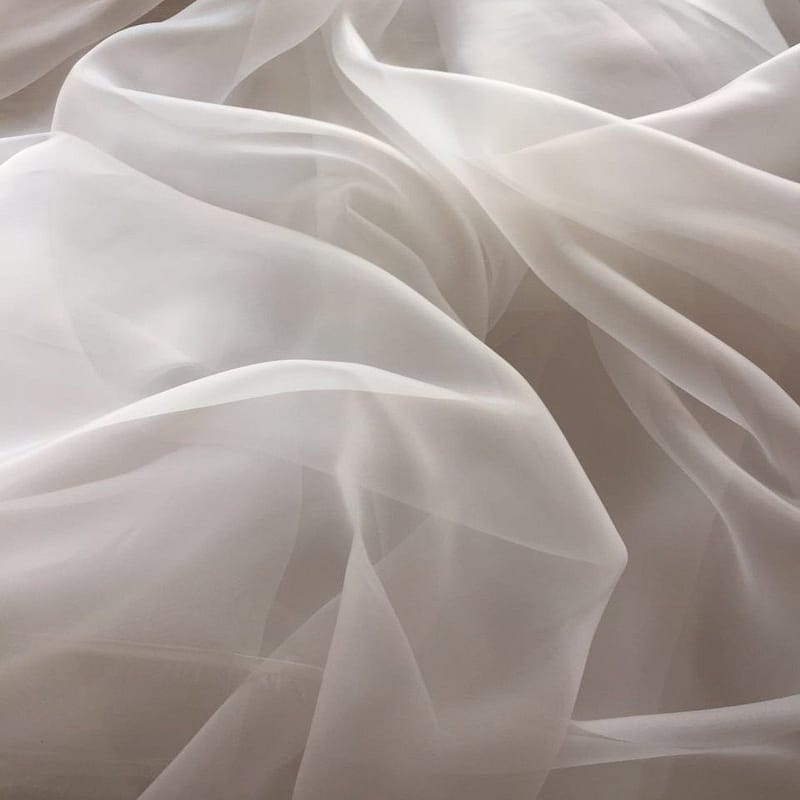
This article explores organza—a sheer, crisp fabric traditionally made from silk and now also available in synthetic forms. Known for its lightweight structure and subtle shimmer, organza is widely used in bridalwear, formal gowns, and decorative design. The piece traces organza’s origins, outlines its production process, characteristics, and types, and highlights its continued relevance through sustainable innovations and evolving fashion applications. Despite its delicacy, organza’s dramatic visual impact and timeless elegance ensure its lasting appeal.
Understanding Color Theory for Fashion Success

This article explores how color theory enhances fashion design and styling, covering essential concepts such as the color wheel, harmonies, warm and cool tones, and color psychology.Practical tips are included to help apply color theory in wardrobe building and fashion branding.
Polypropylene Fabrics: Tough Fibers for Modern Needs
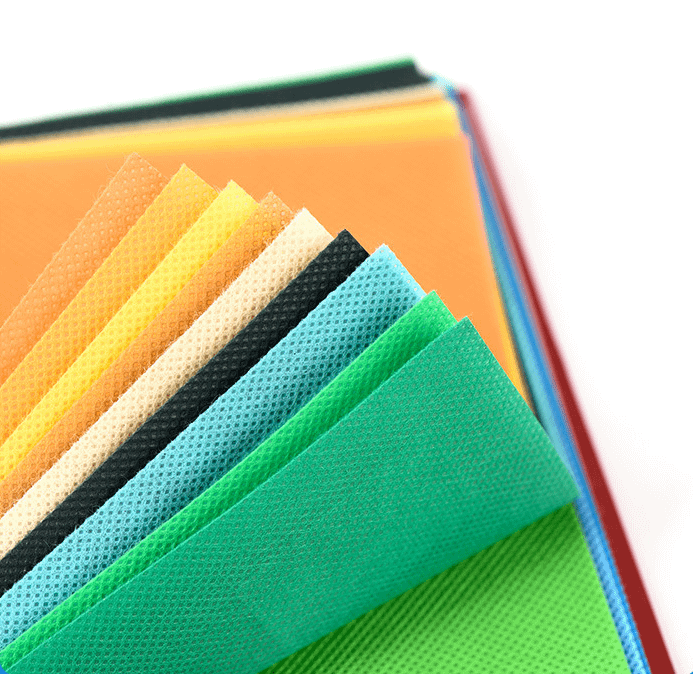
Polypropylene fabric is a versatile synthetic textile known for its lightweight, water-resistant, and durable properties. Developed in the mid-20th century, it has become essential in industries like healthcare, agriculture, fashion, and packaging. Available in woven and nonwoven forms—such as spunbond and meltblown—polypropylene serves a range of uses from surgical masks to reusable bags. With ongoing innovations in eco-friendliness and performance, polypropylene fabric continues to meet the evolving needs of modern applications.
From Proto to Pre-Production: 12 Key Garment Samples Explained

This article outlines the essential types of garment samples used throughout the apparel production process. From early-stage proto and fit samples to finalized pre-production and shipment samples, each type plays a critical role in refining design, ensuring fit, verifying quality, and aligning manufacturers with brand expectations. By understanding these 12 sample types, fashion professionals can reduce production risks, enhance communication, and improve overall garment quality.