
The 15 Most Easily Overlooked Details in Pattern Making

This article outlines 15 commonly overlooked yet critical details in the pattern making process that can lead to costly production errors, delays, and inconsistent fit. Organized into four categories—Tech Pack & communication issues, fit miscalculations, fabric behavior misjudgments, and construction-level omissions—the article offers practical solutions for each.
The Textile Trio: Yarn Count, Fabric Weight, and Hand Feel in Focus
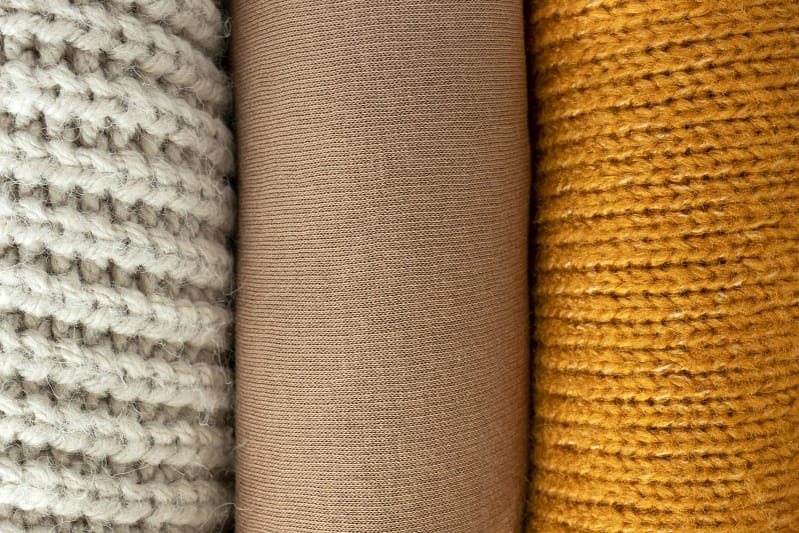
This article explores the “textile trio” of yarn count, fabric weight, and hand feel, three key factors that define fabric quality and performance. It explains how yarn count measures the fineness of yarn, how fabric weight indicates density and suitability, and how hand feel reflects the tactile experience of a fabric.
French Terry Fabric: Relaxed Style with Practical Edge
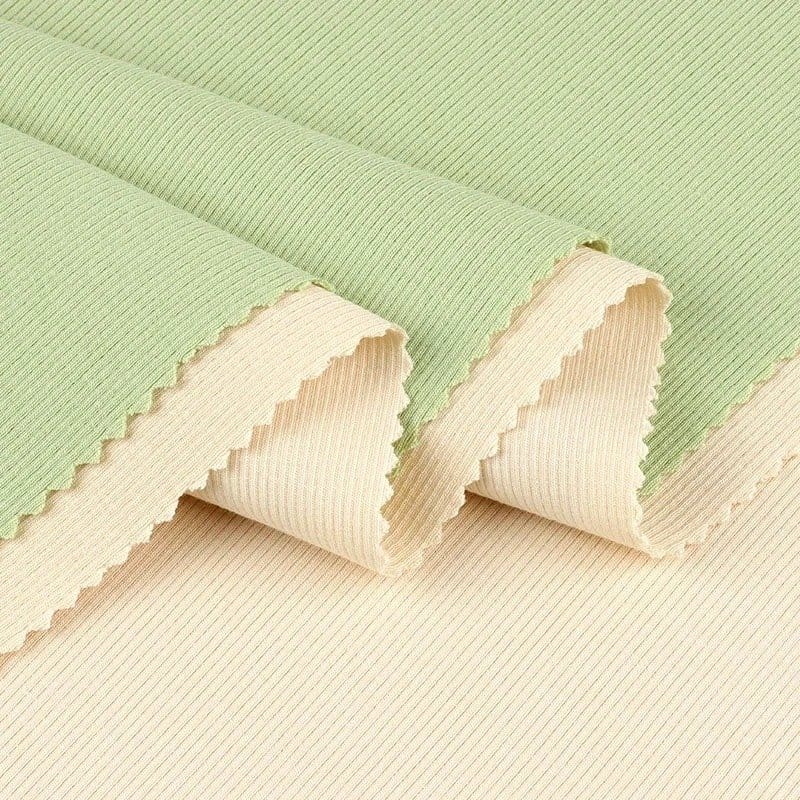
French Terry is a soft, breathable, and versatile knit fabric known for its looped interior and smooth exterior. Ideal for casual wear, loungewear, and athleisure, it offers comfort, moderate warmth, and moisture absorption without bulk. Durable and adaptable, French Terry remains a wardrobe favorite, blending relaxed style with practical performance across modern fashion trends.
From Stone Wash to Enzyme Wash—Quick Reference Guide to Garment Washing Techniques

This article provides a quick reference to garment washing techniques, from stone wash to enzyme wash, explaining how each method shapes fabric texture, color, and style. It covers the purpose of garment washing, outlines common techniques with their pros and cons, and presents a comparison table for easy reference.
The Fit Trap of High-Elasticity Fabrics: Why Recovery Matters

High-elasticity fabrics are everywhere in modern apparel, offering comfort and flexibility—but not all fabrics recover their shape. Poor rebound and low recovery rates can lead to sagging, looseness, and disappointed customers. Understanding fiber choice, yarn structure, fabric construction, and finishing treatments is key to avoiding these fit traps.
Corduroy Fabric: A Timeless Blend of Warmth and Style
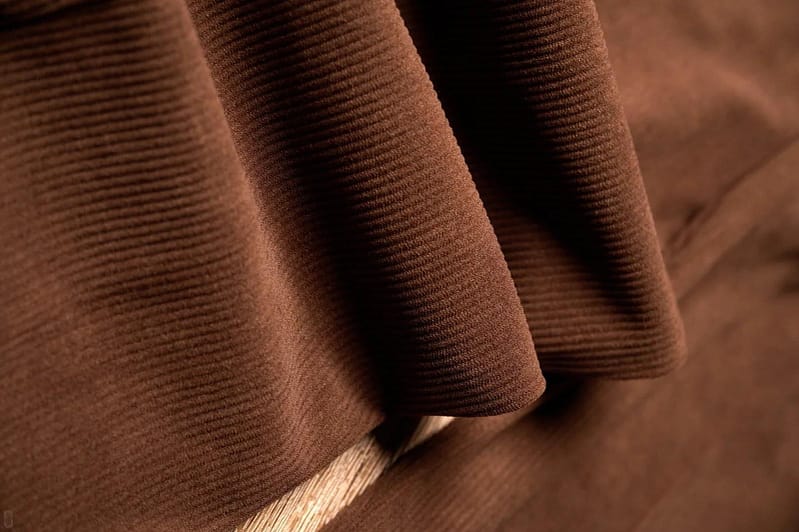
Corduroy is a timeless, ribbed fabric known for its warmth, durability, and versatile style. From historical workwear to modern fashion, its distinctive wales and soft texture make it ideal for clothing, accessories, and home décor. With proper care, corduroy remains comfortable, stylish, and long-lasting, bridging classic charm and contemporary trends.
Key Factors Affecting Fabric Handfeel (Softness, Drape, and Stretch)

This article explores the key factors affecting fabric handfeel, focusing on softness, drape, and stretch—the three qualities that define the tactile experience of textiles. It explains how fiber selection, yarn properties, fabric construction, and finishing techniques influence each property, and how these factors interact to create the overall feel.
Georgette Fabric: Delicate Beauty, Lasting Versatility
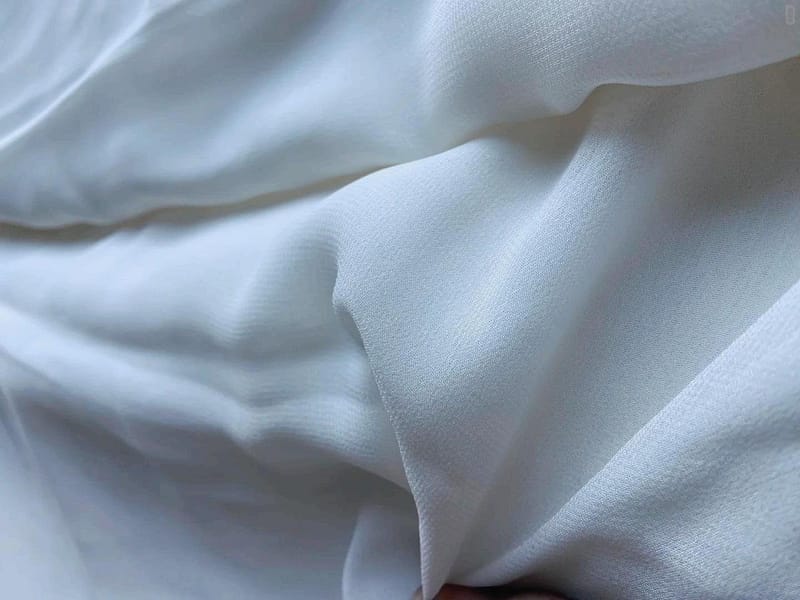
Georgette fabric is celebrated for its lightweight, sheer texture and flowing drape, making it a favorite in both high fashion and everyday wear. Originating from early 20th-century France, it was initially crafted from silk but now also includes polyester, rayon, and blended options. Known for its slightly crinkled surface, durability, and vibrant color absorption, Georgette is highly versatile.
Common Elastic Yarns Used in Sportswear: Spandex, Creora, ROICA—How to Choose?

Elastic yarns are key to sportswear performance, providing stretch, recovery, and comfort. Leading options—Spandex, Creora, and ROICA—offer distinct advantages in durability, softness, and sustainability. Choosing the right yarn involves balancing stretch, resistance, comfort, eco-friendliness, and cost to meet garment and brand requirements.
Cupro Fabric: Fashion’s Hidden Gem
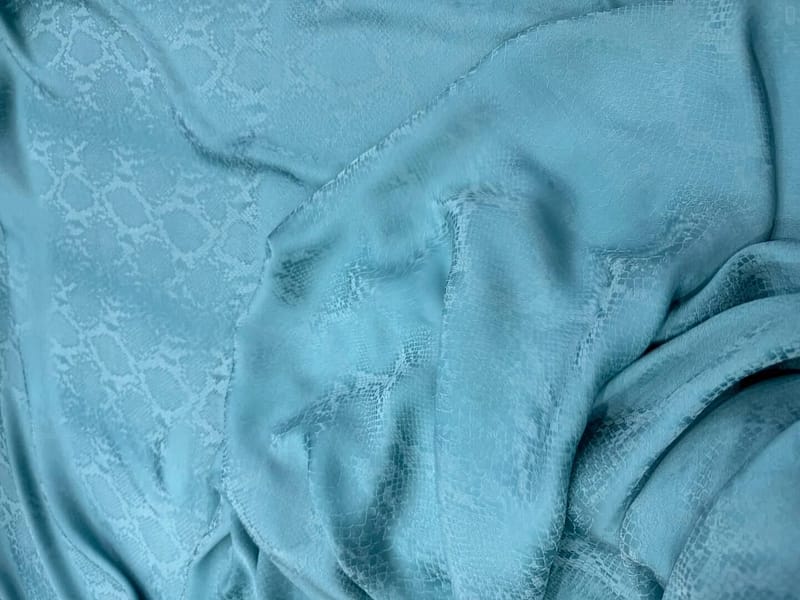
Cupro fabric is an elegant, sustainable textile made from cotton linter, a byproduct of cotton processing. Known for its silky texture, breathability, and luxurious drape, Cupro serves as a versatile alternative to silk and synthetic fabrics. Its production involves a closed-loop chemical process that minimizes environmental impact by recycling solvents and repurposing waste fibers.